Between Frames
Personal Snapshots: An Inherited Memory of Vietnam
Curated by Philippe Trinh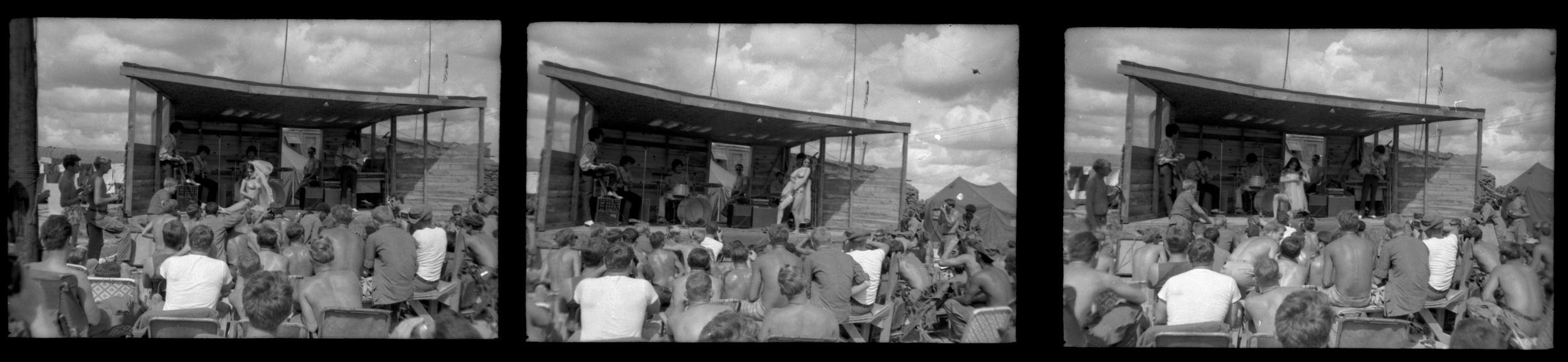
Between Frames
My parents left Vietnam with nothing. No physical records of the places they grew up, the streets they walked, or the version of home that existed before everything changed.
What remains are stories and fragments retold.
So what you’re seeing here isn’t my family’s archive— it’s someone else’s.
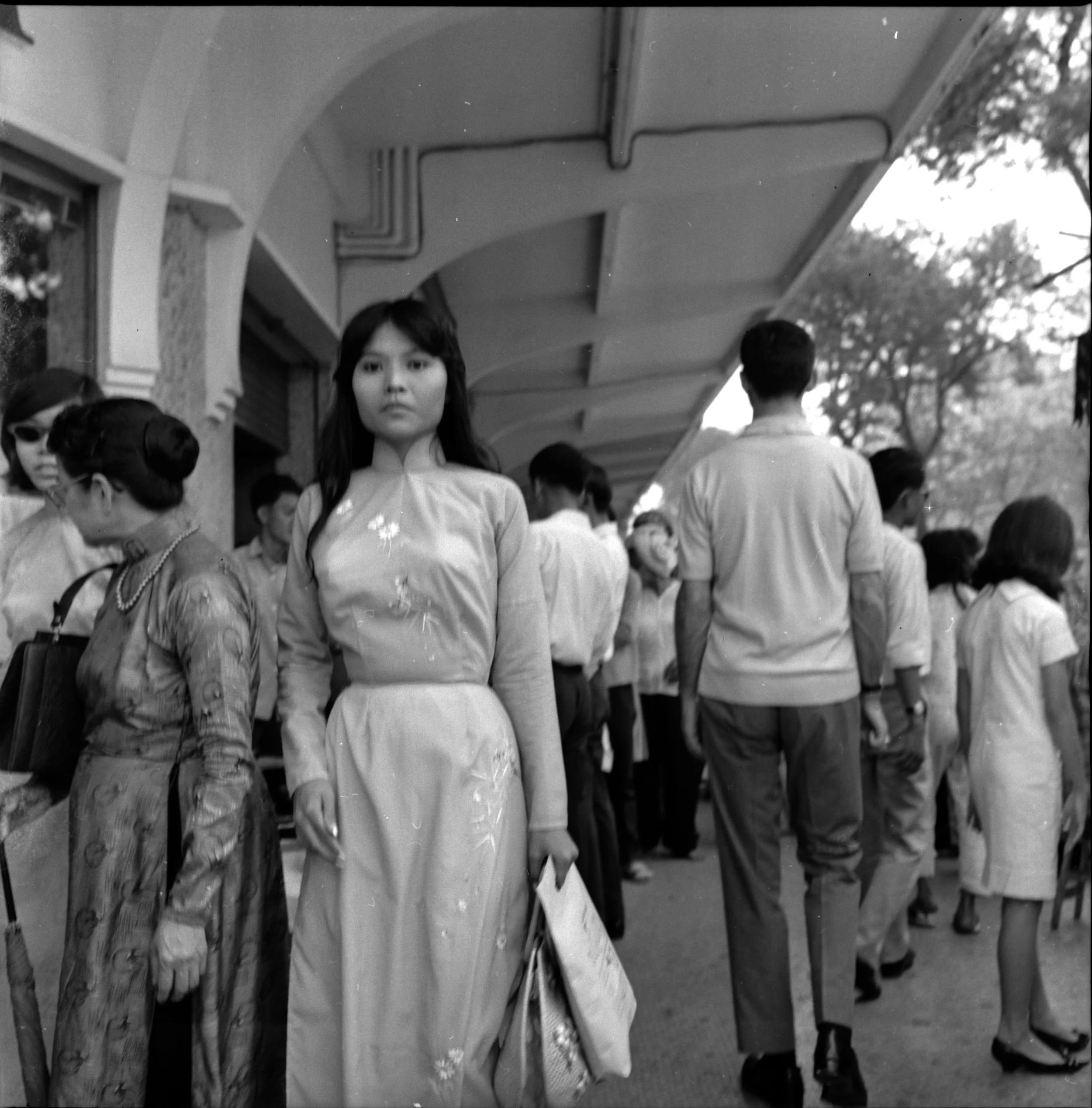
Images captured by U.S. servicemen—men who moved through the same country my parents knew but from a different lens. Their cameras capturing moments of routine, unfamiliar landscapes, Vietnamese civilians encountered in passing… And yet, inside those frames, small details begin to echo the stories I grew up hearing.
Together, these fragments build something larger. They form a kind of memory— one that is incomplete, subjective, and carried across time by people who didn’t realize what they were preserving.
And within that memory, another layer begins to take shape:
A Vietnam my parents once knew— reconstructed not from what they carried with them, but from what others left behind.
Fragments of a Country
Carried forward: Photographs from Vietnam and the Memory They Preserved.
-
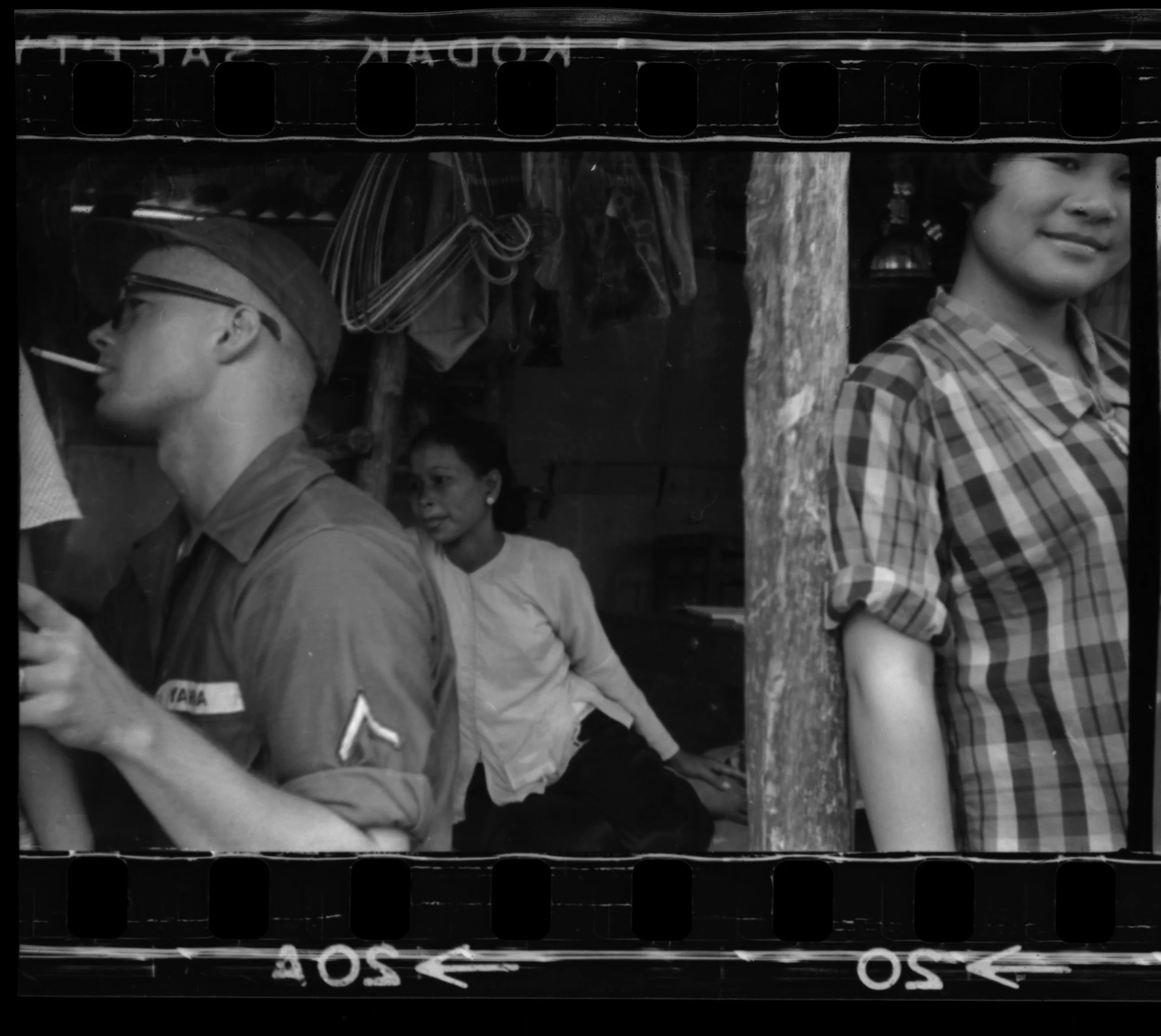
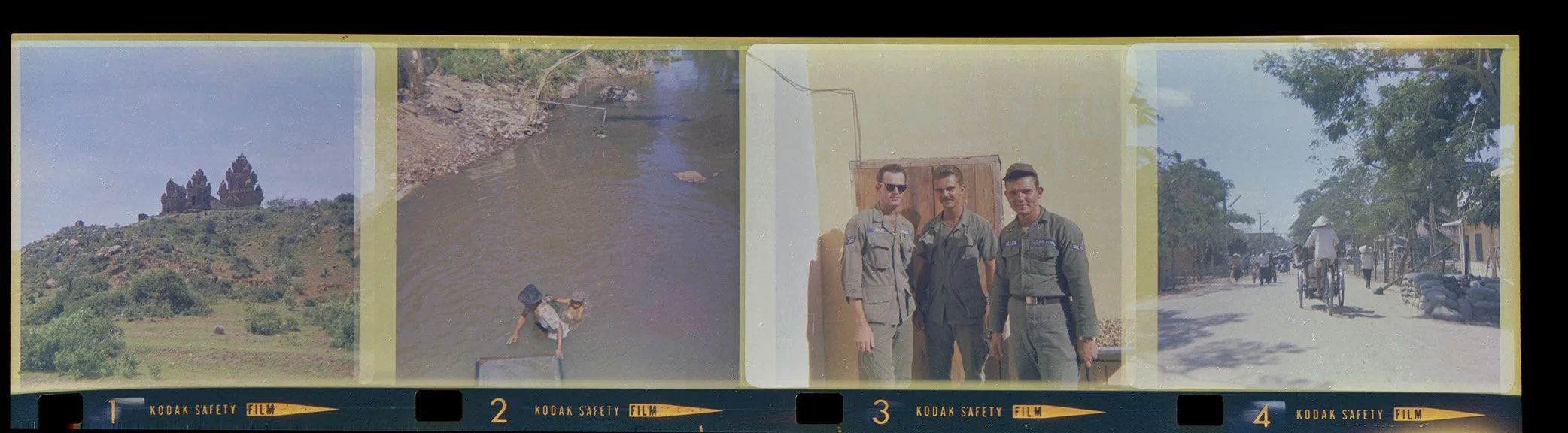
Recovered from thousands of found and preserved negatives, photographs, and film strips taken by U.S. servicemen in Vietnam.
The photographs don’t depict combat. Instead, they trace the overlooked rhythms of daily life: passing time, fleeting connections, and the civilians who moved alongside them. What emerges is a view of the war from within.
My parents fled Vietnam during the fall of Saigon and left without photographs, so these frames unexpectedly preserve fragments of the world they lost.
Decades later, the work brings these parallel histories into conversation—where one person’s passing moment becomes another family’s missing memory.
-
Viewed together, these images reflect the conditions in which they were made. Some of these amateur photographs are imperfect—while others feel more deliberate.
They show a side of war that is rarely seen. Not the conflict itself, but everything surrounding it—how time passed, how unfamiliar places were experienced, and what stood out enough to be remembered.
Each photograph is a fragment—a single frame pulled from a much larger experience. What they show is incomplete.
For me, these images exist alongside another timeline.
There is the Vietnam I know today—what I’ve walked through myself. A country that feels alive, evolving, layered with new energy. And then there is the Vietnam my parents carry with them. The one shaped by memory, by stories told over meals, by moments that were never photographed.
These photographs, images and video sit somewhere in between.
They are not my family’s images, but they move through the same time and the same landscape. They begin to fill in the space between what was lived and what was passed down. They offer glimpses into a world that shaped a generation before me—one that my family came out of, and one I am still trying to understand.
For many of us, that connection is layered. We return as visitors, trying to piece together something that was never fully ours to begin with. But through fragments like these—through what others saw, and chose to remember—we get closer to that past.
And in that space between images and memory, between their experience and ours, a connection begins to take form.
-
This exhibition presents a photographic archive assembled by Philippe Trinh from images of daily life, captured by U.S. servicemen in Vietnam using their own personal cameras.
Most photographs associated with the Vietnam War center on conflict. This collection turns away from that perspective, focusing instead on the everyday moments these men chose to record. Many never returned to the places they photographed, and many never returned home.
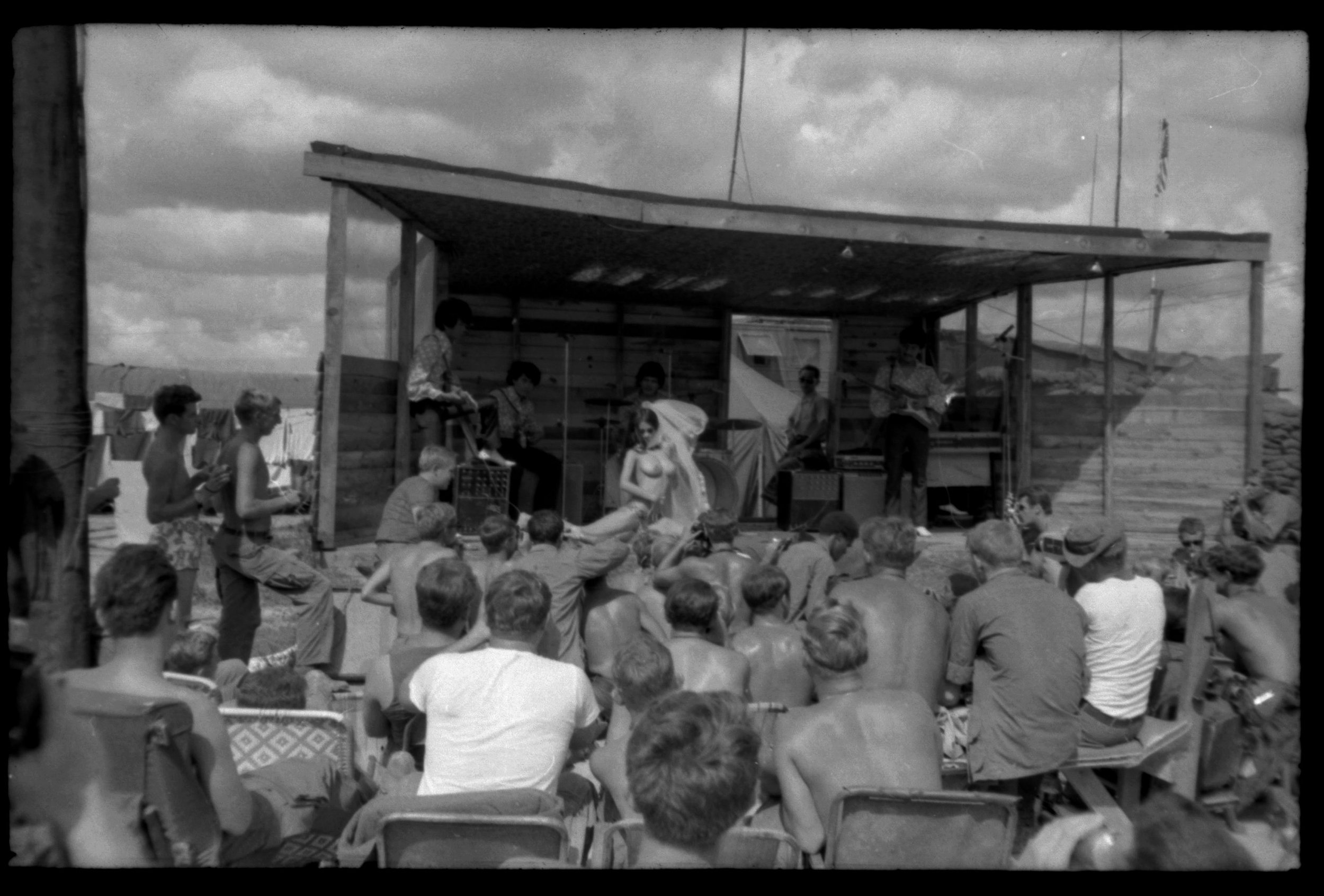
The images in this exhibition were made outside official documentation—taken casually, often without technical training, by individuals navigating an unfamiliar environment. As a result, the archive resists polish. Some frames are soft, out of focus, maybe slightly over exposed, yet more importantly they carry an immediacy that feels unfiltered and direct.
Rather than offering a complete account, the photographs reflect individual attention—what caught the eye, what felt worth keeping, what might be sent back to someone far away. Scenes of routine surface again and again: improvised haircuts, music shared between soldiers, stretches of idle time, brief encounters with new landscapes, and the shifting rhythm between tension and release. Most often, the camera settles on one another—friends, companions, and the relationships that formed within uncertainty.
The lens also turns toward the surrounding world—local civilians, workers, families, and children—figures encountered in passing or through daily proximity. These moments do not attempt to explain the war. Instead, they reveal how life continued alongside it.
What emerges is not a record of events, but of presence—of how it felt to exist within that time. The images trace states of waiting, closeness, curiosity, and dislocation, revealing the emotional texture that official histories often leave behind.
For the men who made them, these photographs were immediate and personal. Over time, they have taken on a different weight.
Philippe’s parents come from the same streets pictured here. His father left Vietnam the day before the fall of Saigon, and both parents arrived in the United States among the first wave of refugees. Like many who fled, they carried almost no photographs with them. Their past survived as memory without image.
Seen decades later, the photographs move in two directions at once. What began as a soldier’s passing record becomes, in another context, a visual trace of a place that was lost. Through these images, fragments of everyday life—streets, gestures, fleeting interactions—persist beyond displacement.
Rather than documenting how the war was fought, the collection considers how people lived within its edges.
They exist in the space between witness and memory, between departure and absence—between frames.
-
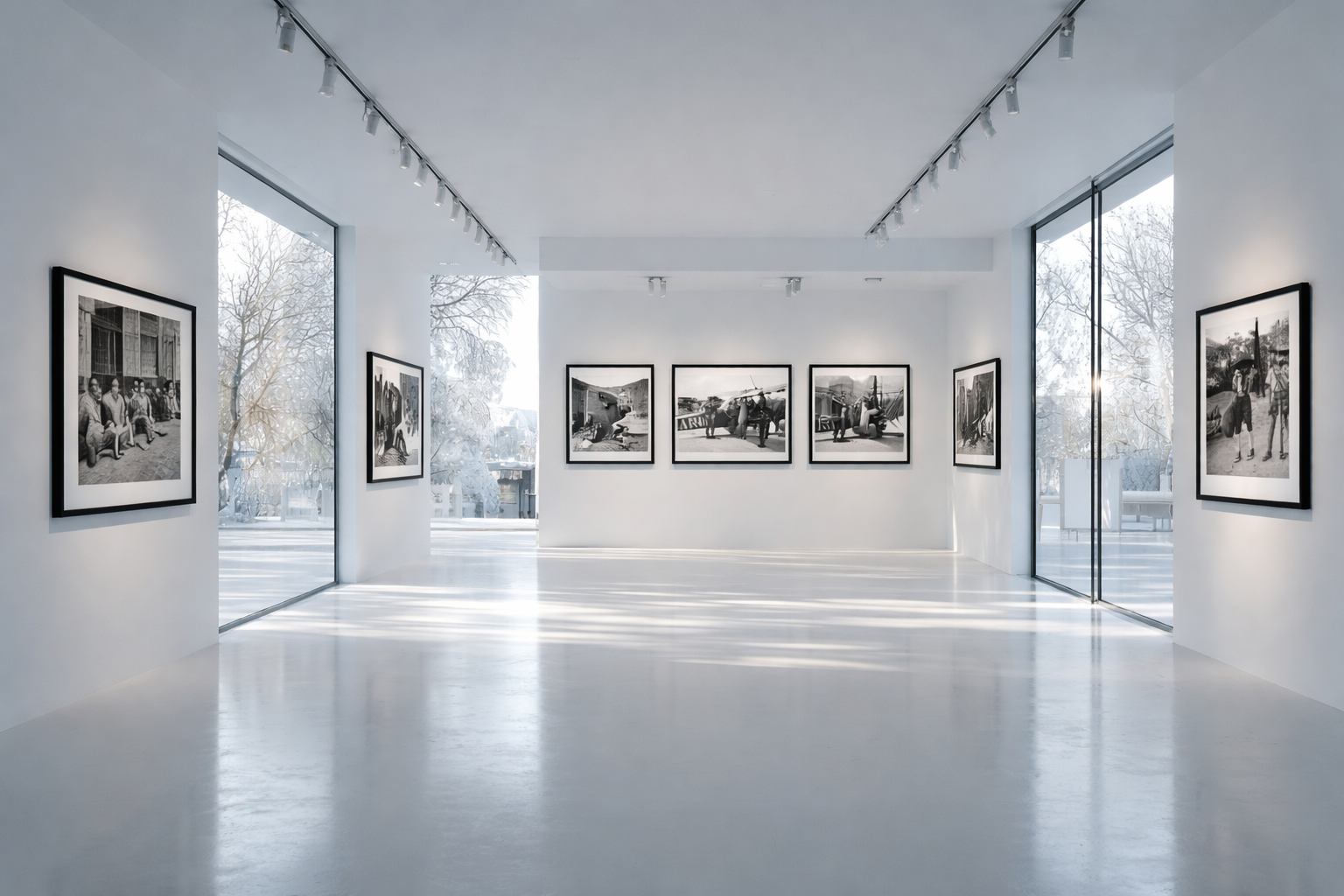
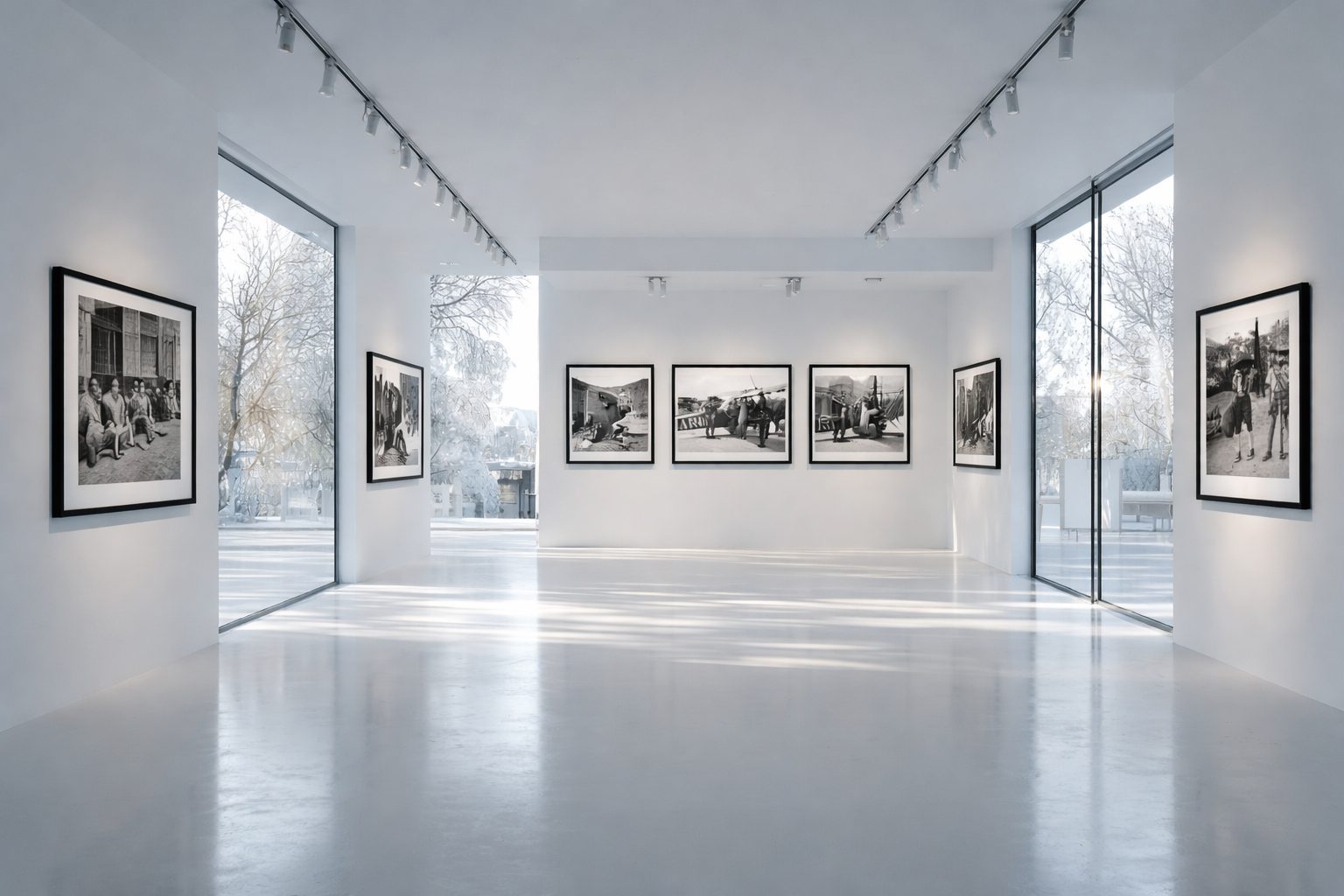
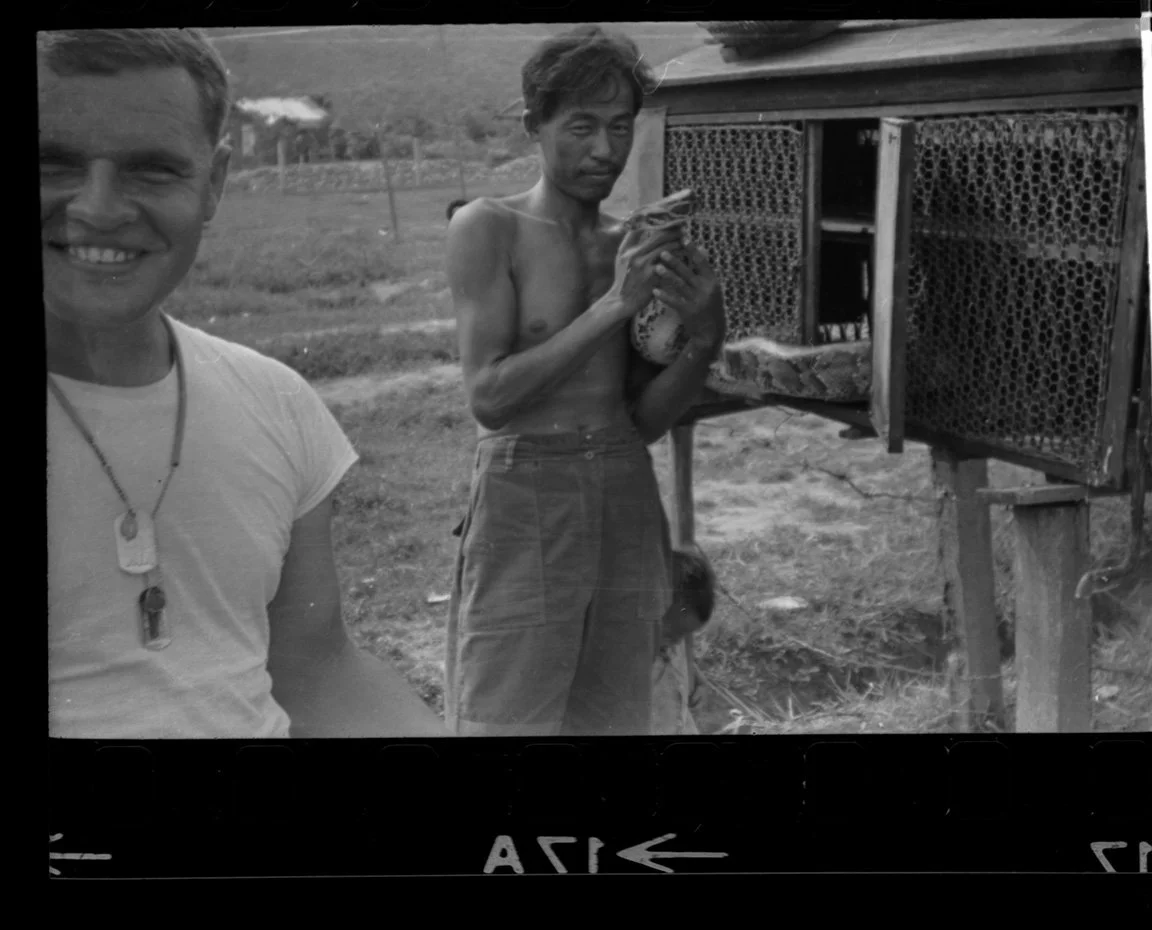
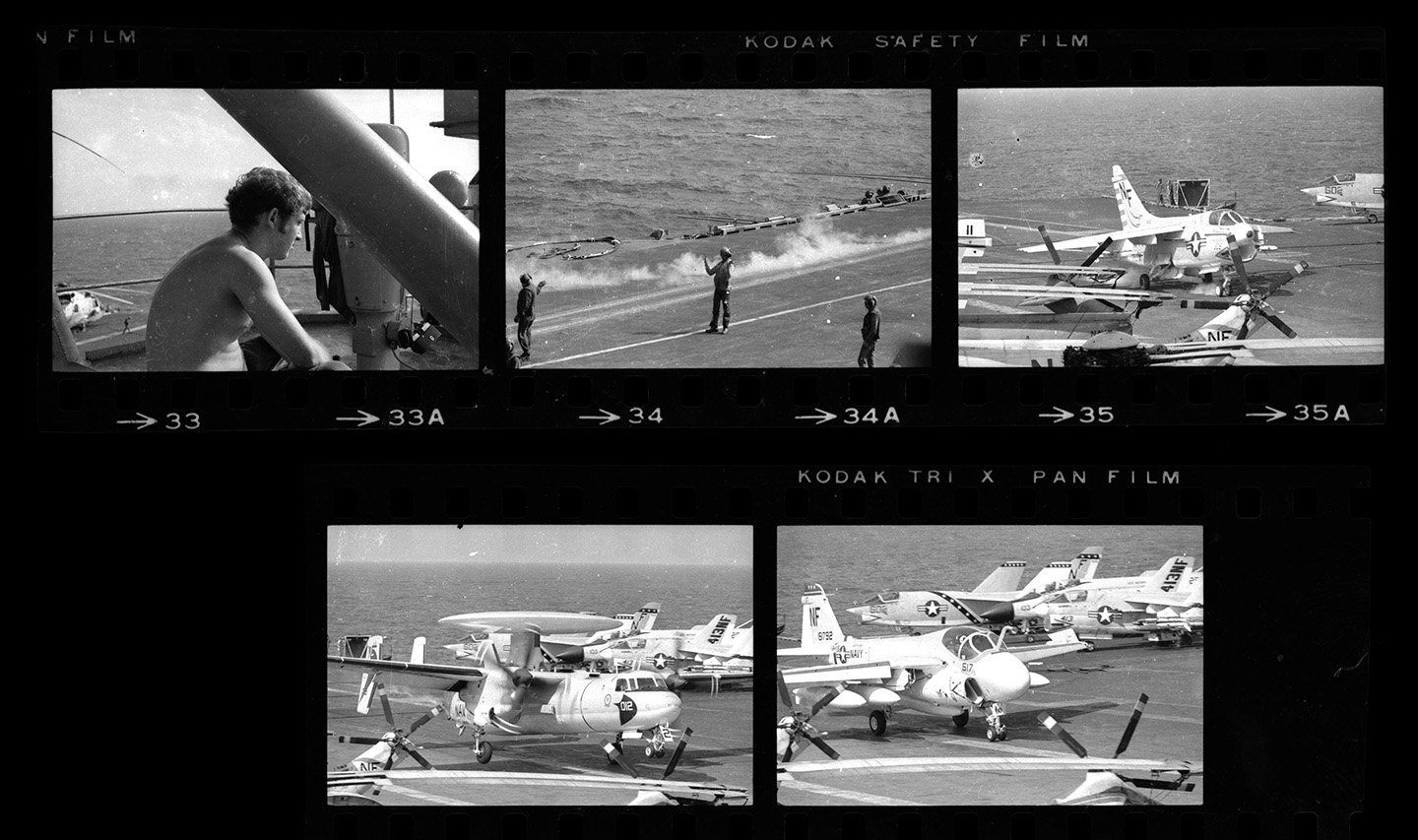
The photographs in Between Frames originate as original black-and-white negatives made by U.S. servicemen in Vietnam. Most have never been printed. For decades, they remained as undeveloped fragments of daily life — rare records of waiting, companionship, and routine beyond the battlefield.
Rather than digitizing the archive, the negatives were returned to the darkroom.
Each image is hand-printed as a silver gelatin fiber print on reclaimed vintage photographic paper from the same era as the film itself. The materials carry their own history — preserved, unused, and reintroduced into the present.
The prints are produced on a vintage Leitz Focomat from the estate of Milt Hinton.
Light passes through the original negative and onto silver-coated fiber paper, allowing each photograph to emerge through the same chemical process that first defined it. These works are not reproductions but continuations — images brought into view for the first time.
Together, they preserve fragments of a Vietnam rarely pictured in official histories: life lived beside war, in the moments between frames.
the war seen within.
Seen decades later, the photographs move in two directions at once. What was once a soldier’s casual record of a foreign country becomes a fragment of a home our family lost. from one brother
to another
A life assembled through what remains.
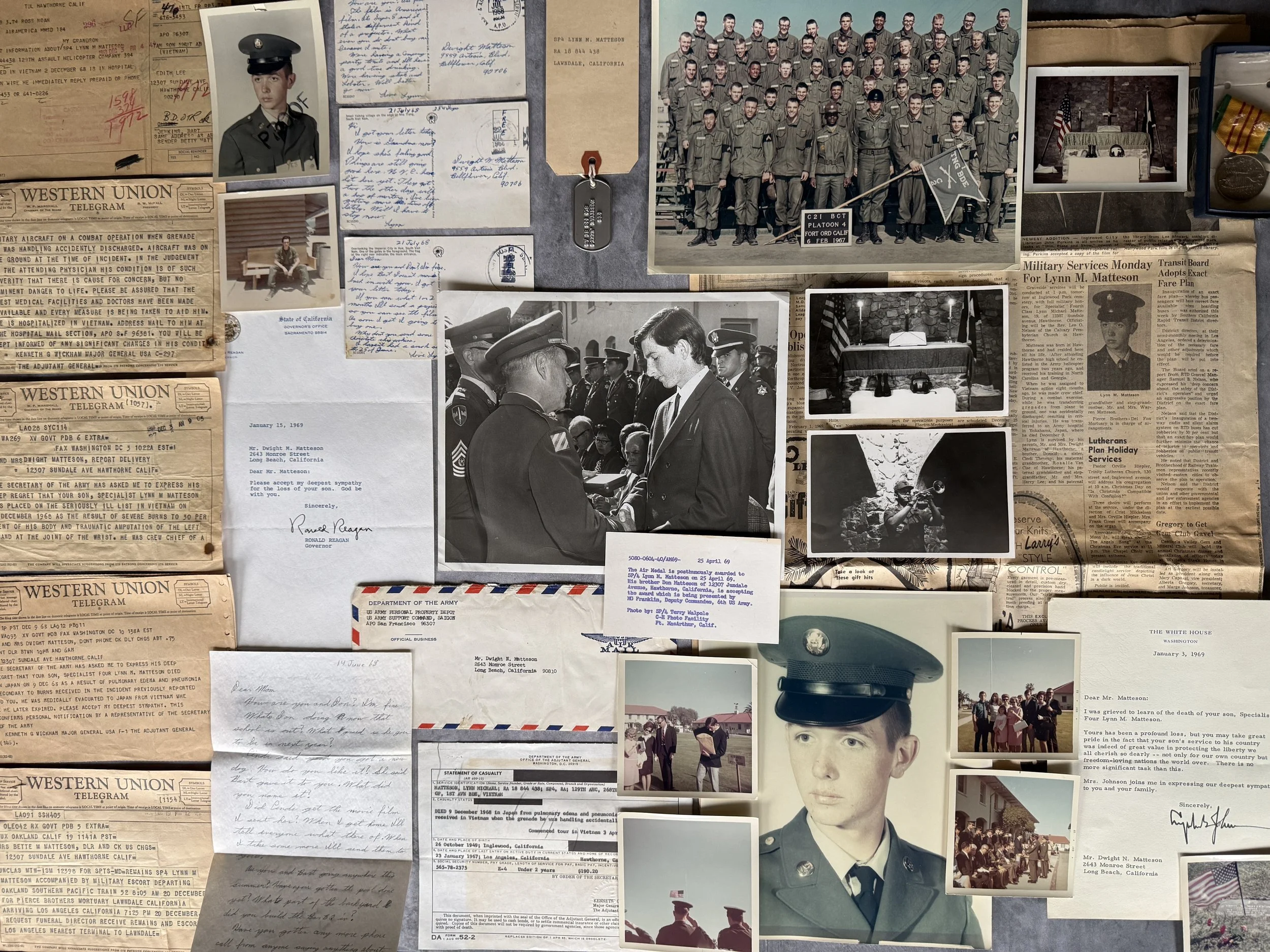
Tracing a life from presence to absence—and then into the hands of those who carried it forward. Through letters, ephemera, photographs, awards, and telegrams, this wall assembles one young serviceman’s story in fragments.
But this story does not arrive all at once.
It unfolds through a sequence of messages. Telegrams reporting injury. Updates. Then, confirmation. Each one shifting what is understood, piece by piece.
While the photographs in Between Frames reflect many lives and perspectives, Lynn Matteson’s story offers something rare: a sequence that can be followed. Not because it is complete, but because enough remains to trace its outline.
He was nineteen.
Like the images throughout the exhibition, his life is not seen in full. It is understood through what was kept—moments preserved, details recorded, and messages carried across distance.
In 1969, his brother, Don Matteson of Kingston, New York, accepted the Air Medal on his behalf. In that moment, the story shifts—from something lived, to something carried.
What began as one life becomes something carried by another.
How do we come to understand a life we were never there to witness? And how do we reconstruct a country we have only experienced through what remains?
Parallel Frames
The Vietnam They Knew, The One I Found
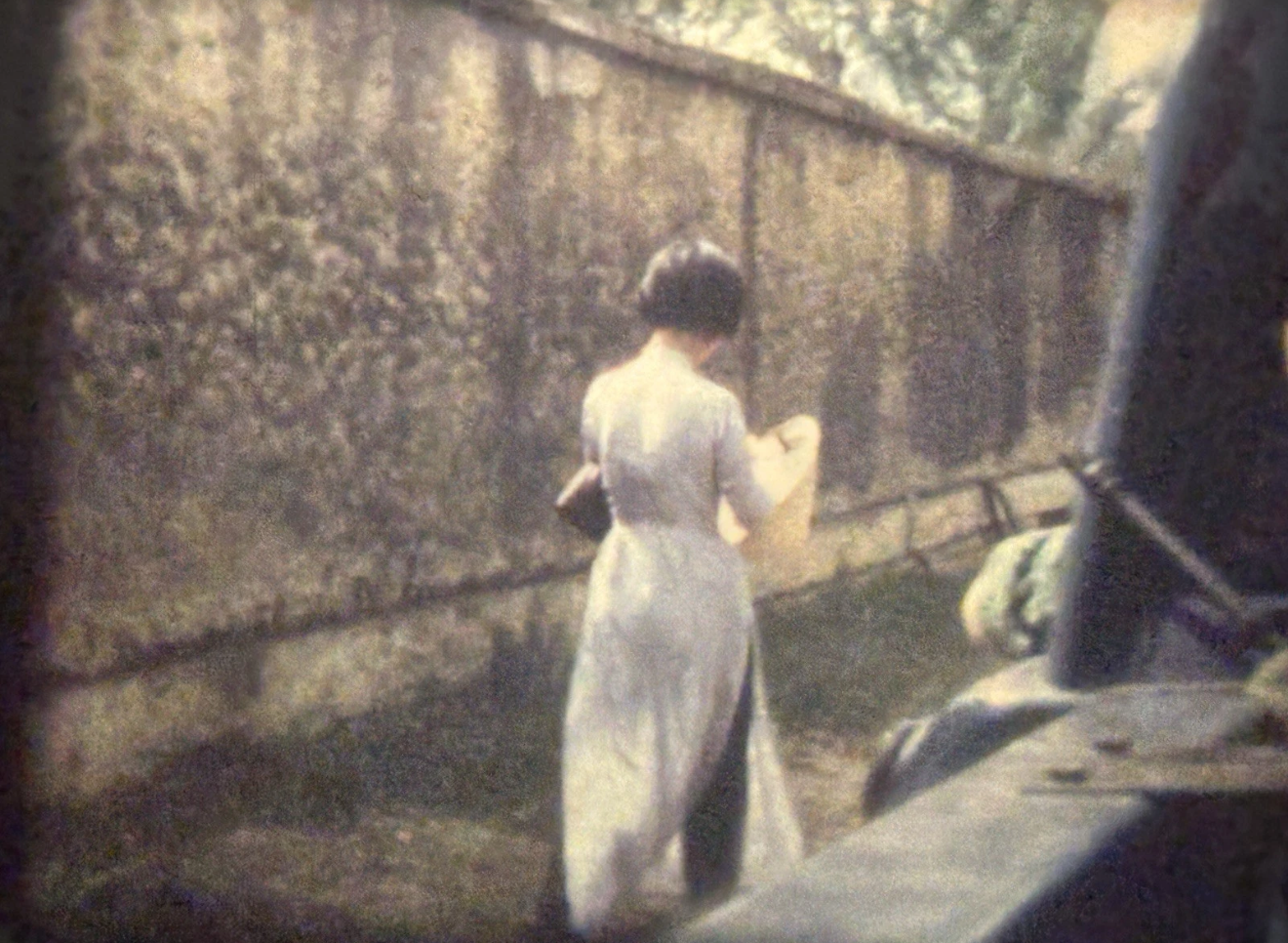
Recovered 7-inch reel, ~400 ft, color Super 8 film reel, 1969.
RARE amateur footage by a U.S. Air Force serviceman stationed at Tan Son Nhut Air Base, this reel captures fragments of daily life in and around Saigon during the Vietnam War.
The footage moves between Saigon street scenes, regional flights, and base life—crew gatherings, helicopters, and brief moments of leisure—alongside civic work, including the construction and dedication of the Dieu Quang orphanage in 1969.
What unfolds here sits between two timelines.
One is the Vietnam my parents knew—lived in, and eventually fled.
The other is this one—seen through the lens of a serviceman, moving through the same landscape with a different sense of time, purpose, and distance.
I wasn’t there for either.
But through this reel, I step into both.
Within Between Frames, the film remains a partial record—an individual perspective shaped by what was seen, and what was chosen to be remembered.
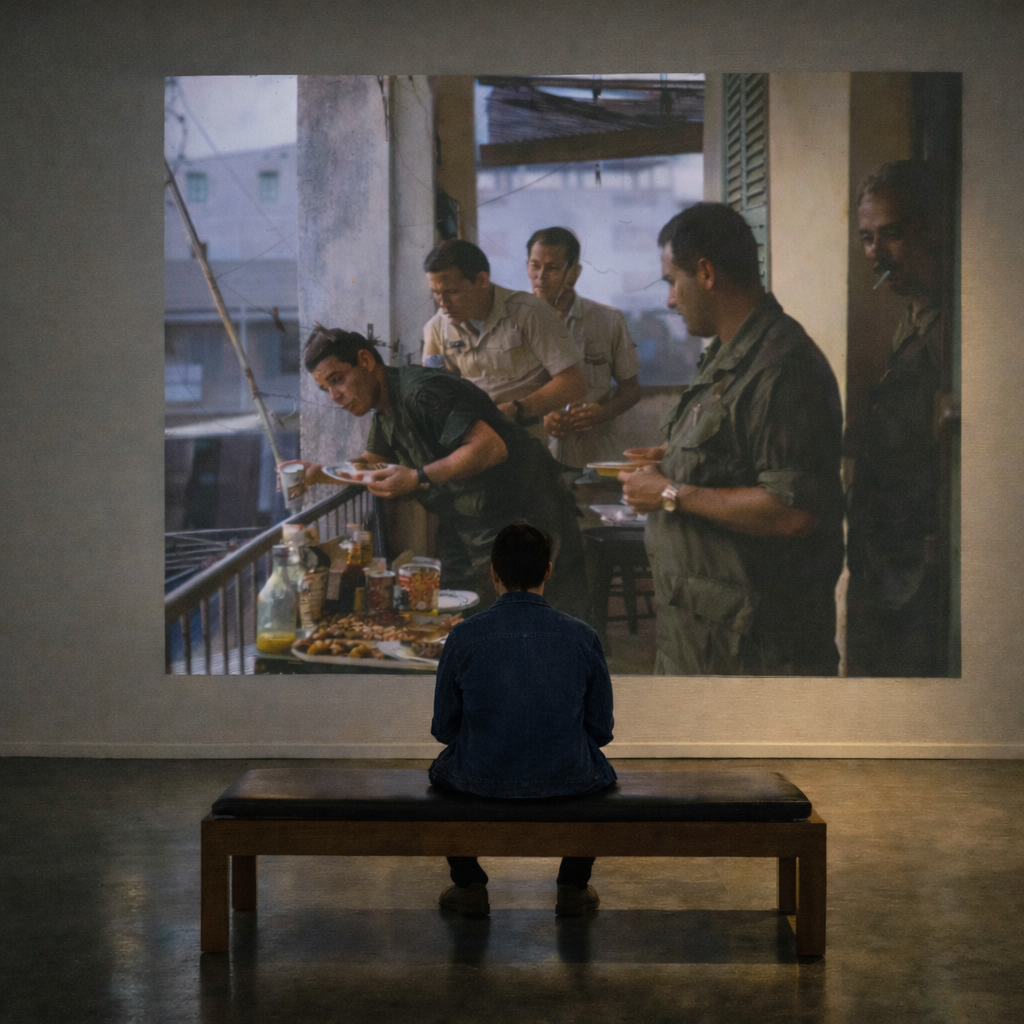
SLIDEs
35mm slides (approx. 300), late 1960s–early 1970s.
Recovered archival slide, projected as part of the exhibition environment.
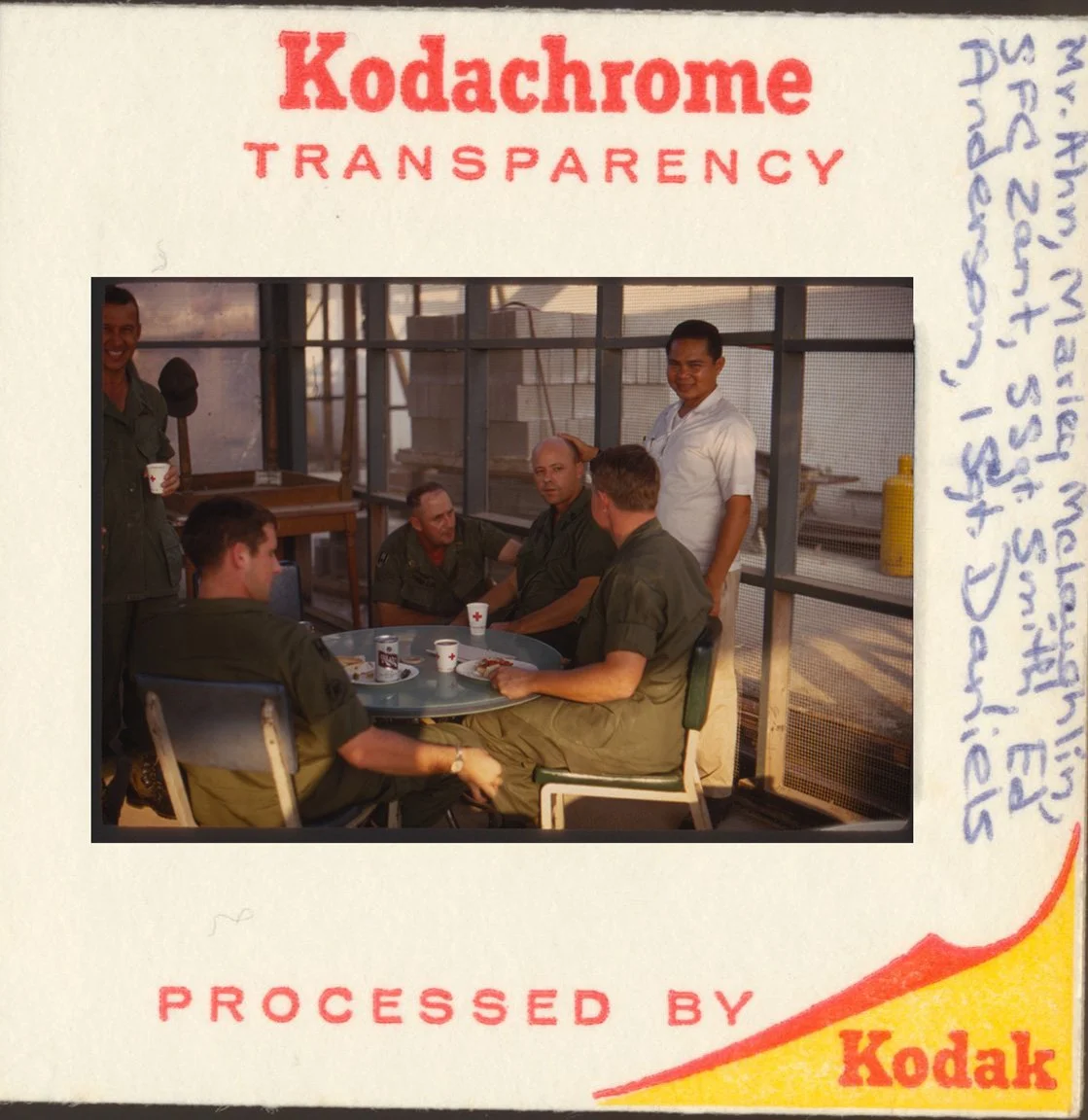
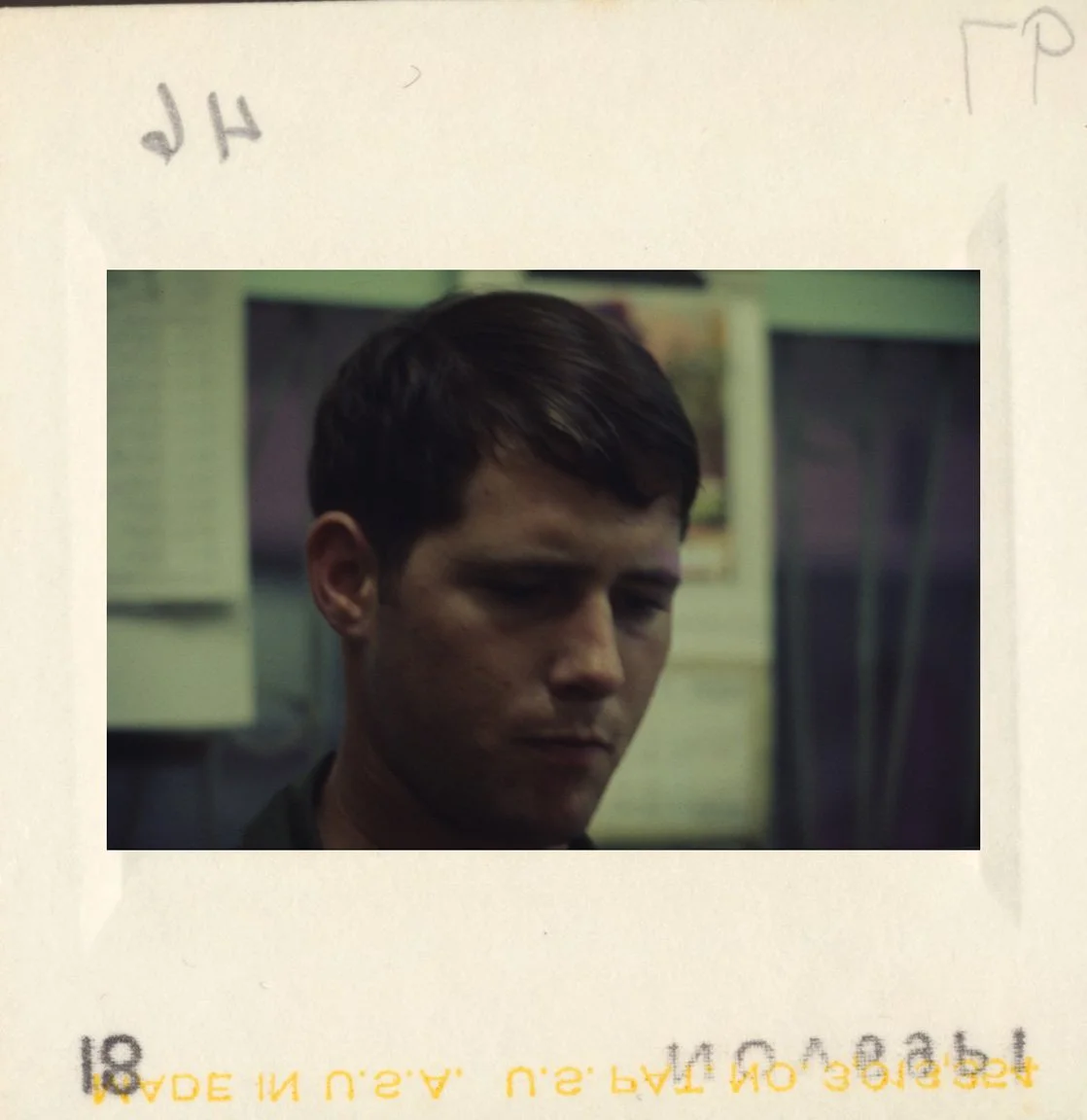
*The slide shown in photo and two slides below are originals from the archive.
The Physical Archive
-
![]()
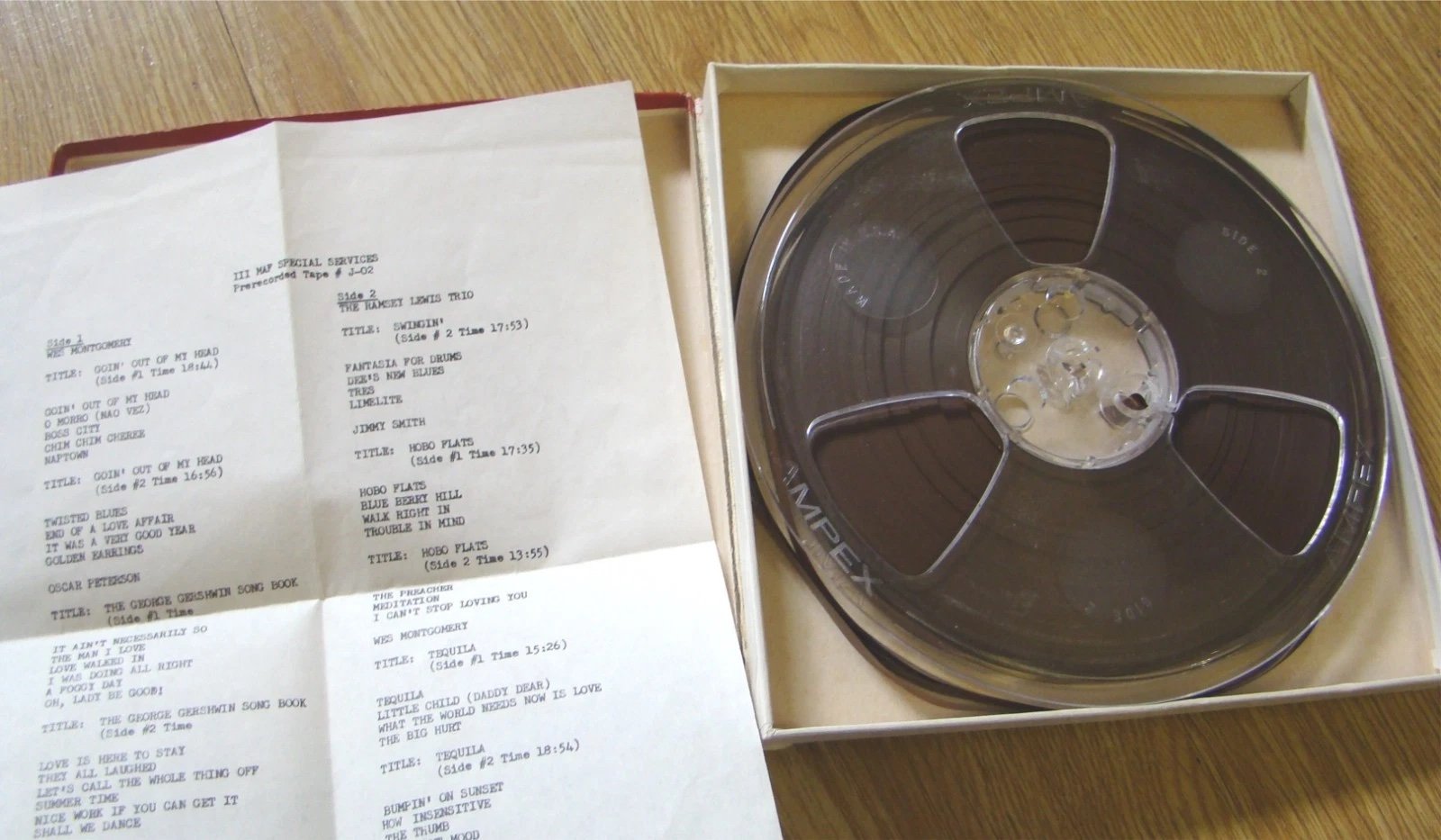
The Atlas Project- MAF Special Services Tape — Vietnam War Era
This prerecorded reel, labeled “III MAF Special Services,” was part of the U.S. Marine Corps’ effort to bring music to troops stationed in Vietnam.
Jazz—Wes Montgomery, Oscar Peterson, Ramsey Lewis—moved through base camps and rec tents, offering brief moments of calm, memory, and escape.
-
![]()
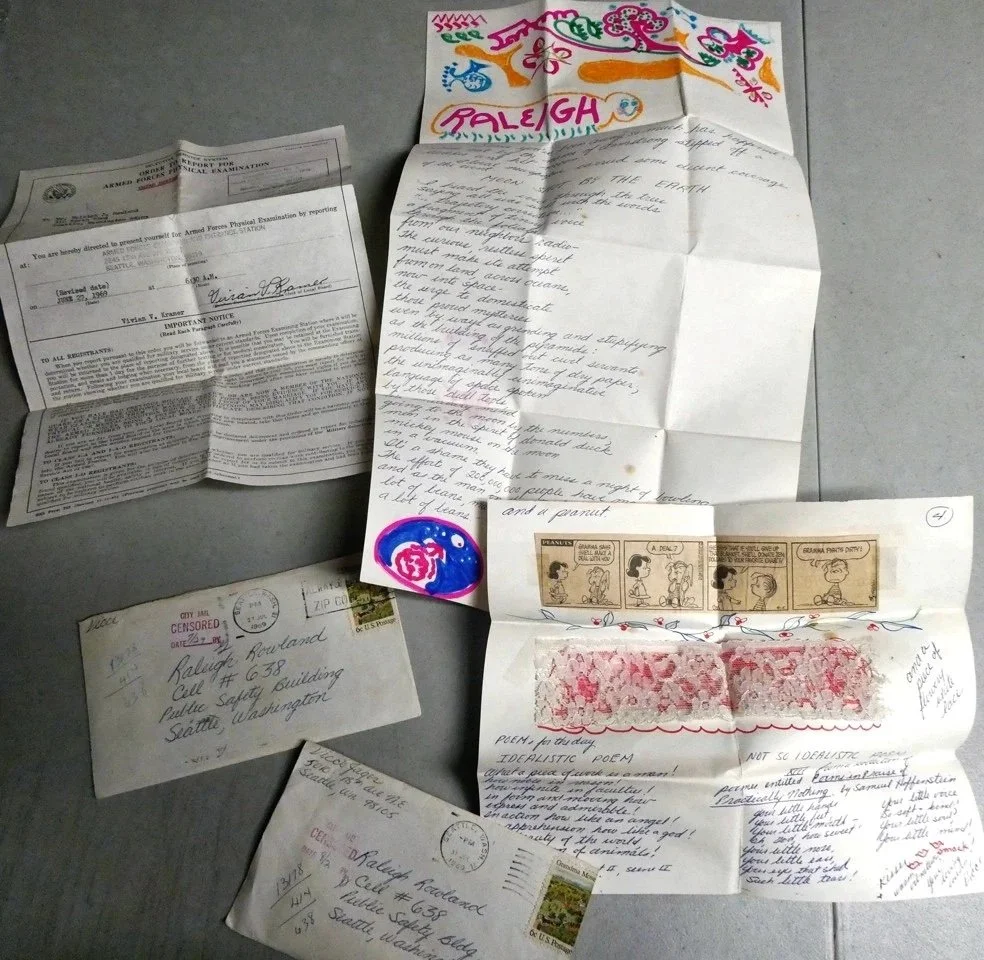
Seattle, Washington, 1969 (Draft Letter)
Censored letters sent from city jail following a Vietnam War draft order.
Marked, withheld, and returned, these documents trace a refusal and its consequence—revealing a parallel experience of the war shaped by resistance rather than service.
-
![]()
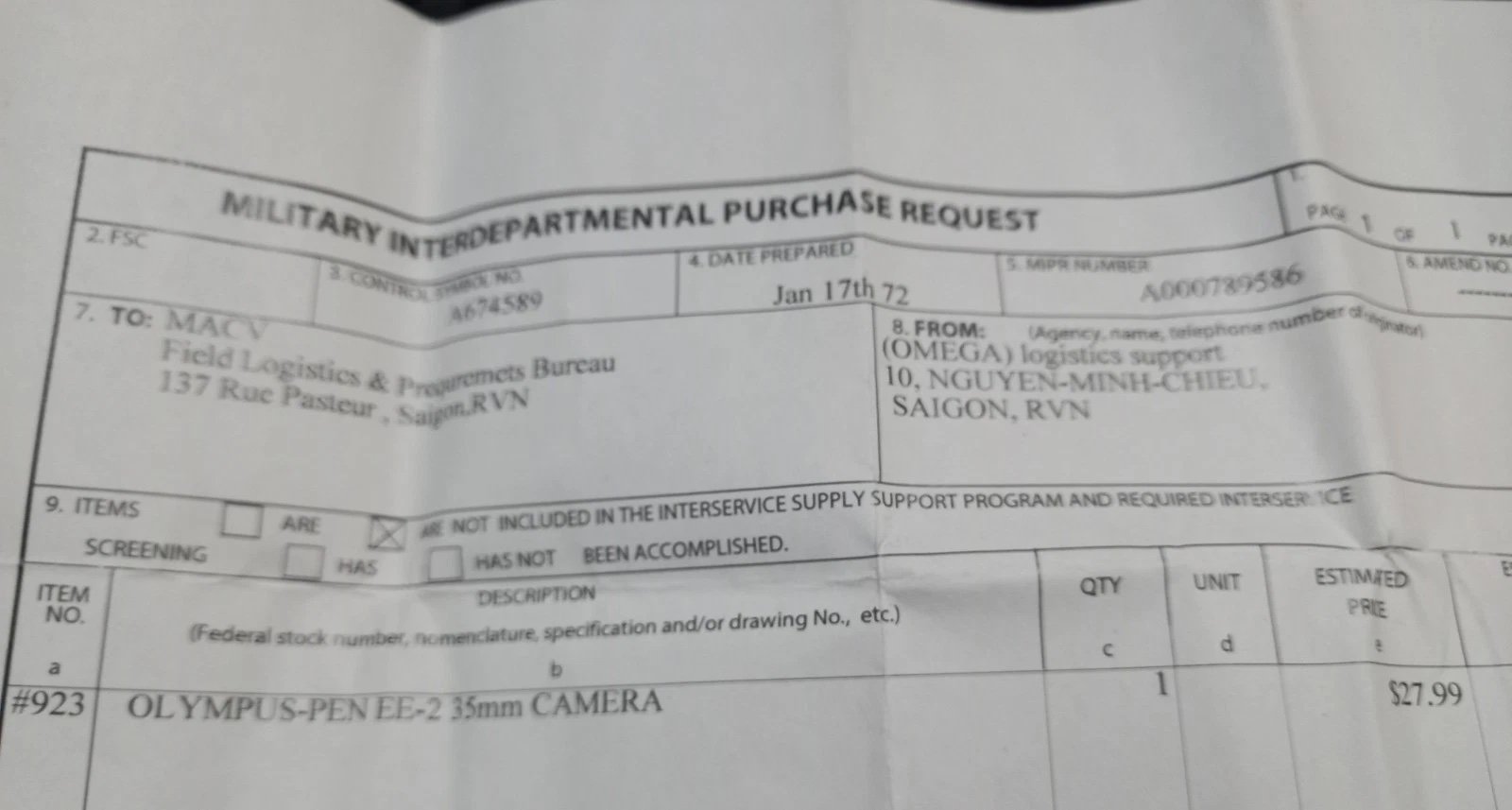
Olympus Pen EE Camera with Receipt and Film Materials
DD Form 448 (Military Interdepartmental Purchase Request)
Authorizing Officer: Cpt. Mark Soriano (MACVLS)
Request for the purchase of an Olympus Pen 35mm camera ($27.99)This original document is preserved alongside the corresponding camera, its carrying case, and film canisters.
-
![]()
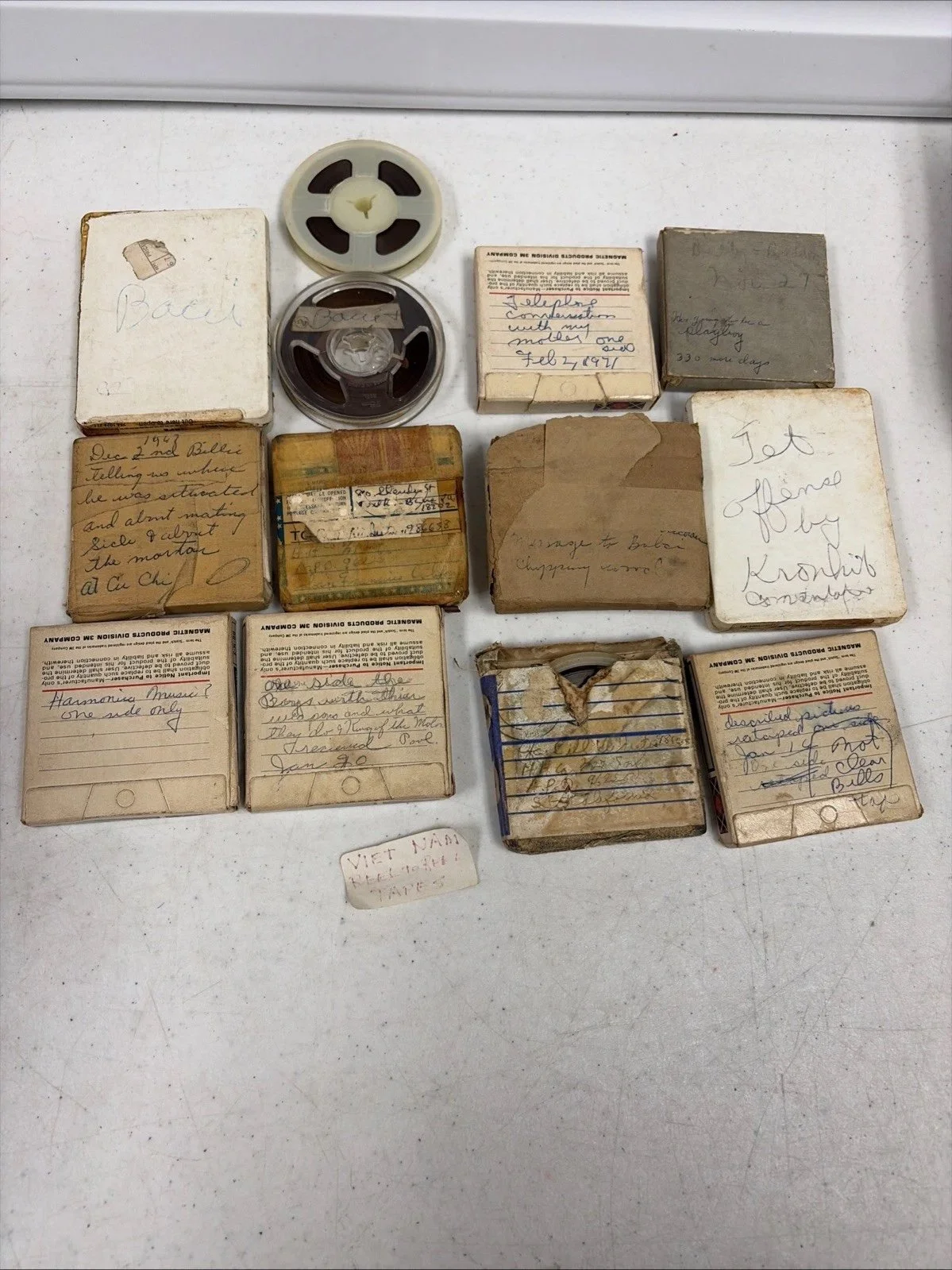
Voices on Tape (1967–1971)
A group of ¼-inch reel-to-reel recordings made by a U.S. serviceman stationed in Vietnam.
Using portable tape equipment, he documented fragments of daily life—spoken letters, conversations, music, and moments shared among friends.
Preserved in their original boxes and labeled by hand.
-
![]()
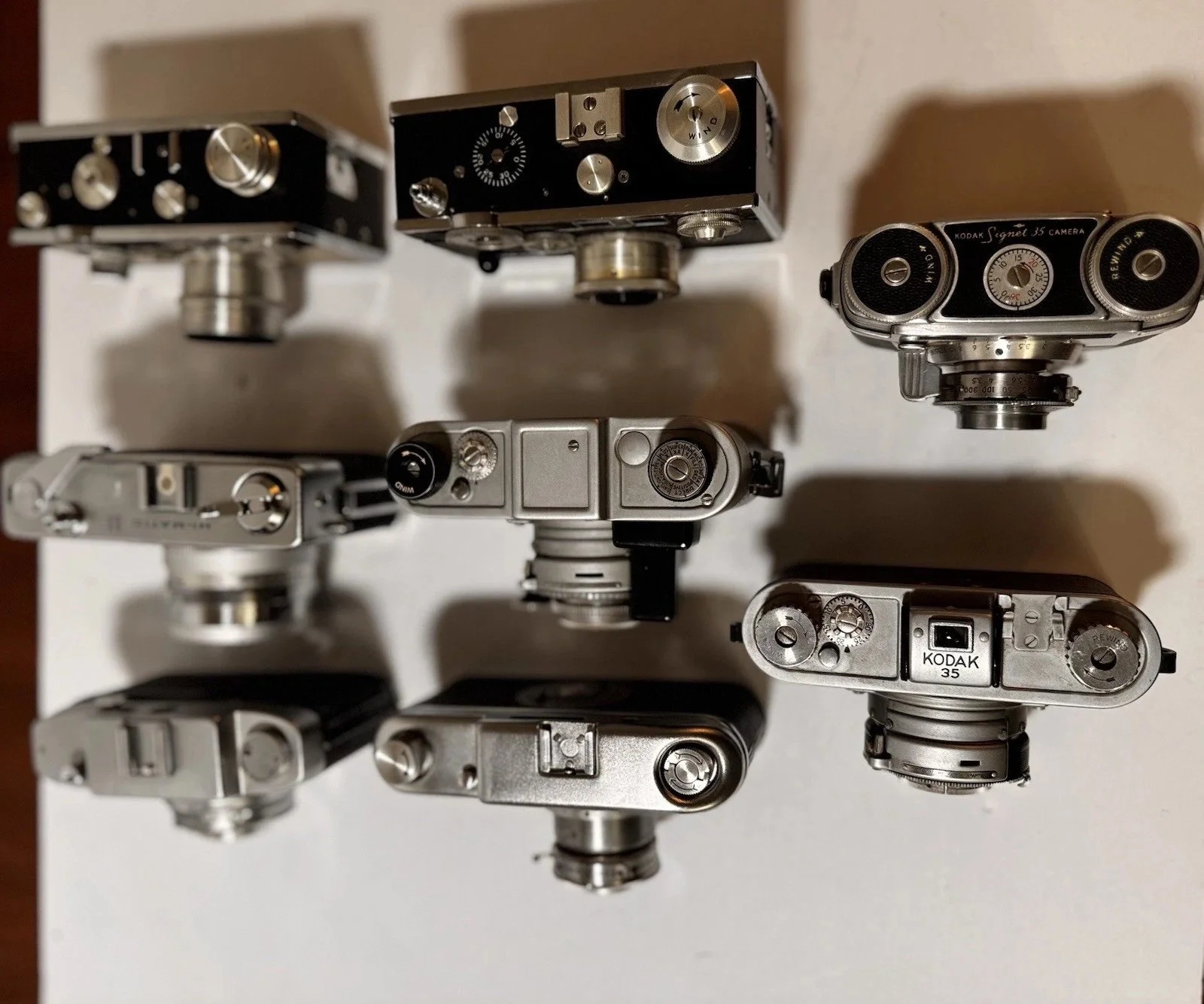
The Cameras
A selection of camera models in circulation during the Vietnam War, many carried by servicemen to document daily life.
Produced across the 1930s through the early 1970s, these cameras reflect the range of tools available to individuals moving through both civilian and military life.
-
![]()
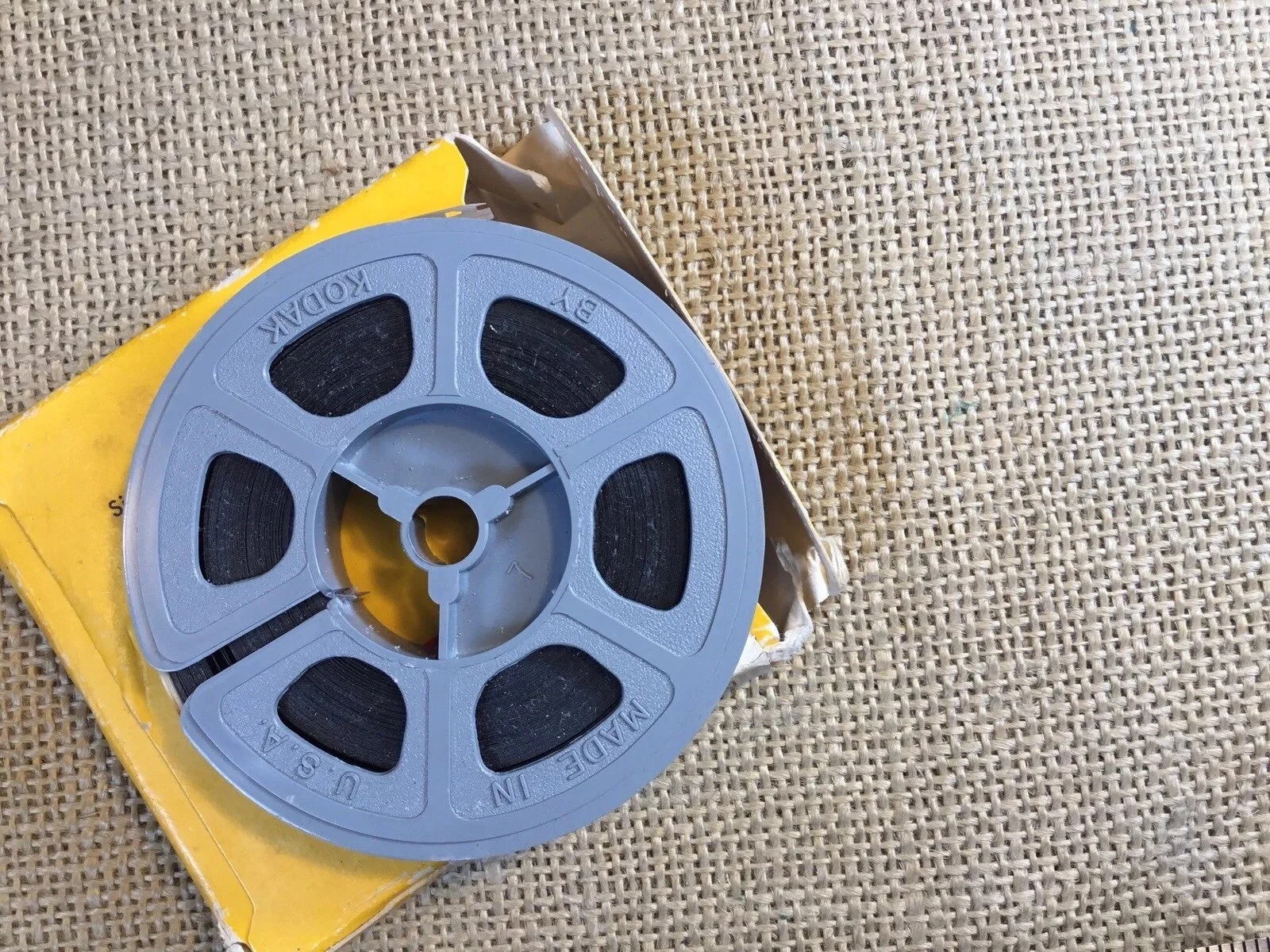
8mm Film Reel, Vietnam, January 1967
An exposed roll of 8mm film.
As part of this archive project, the contents are being viewed for the first time—revealing a sequence of moments preserved and unseen for decades.
What emerges offers a rare glimpse into daily life in Vietnam, carried forward from the instant it was captured.
-
![]()
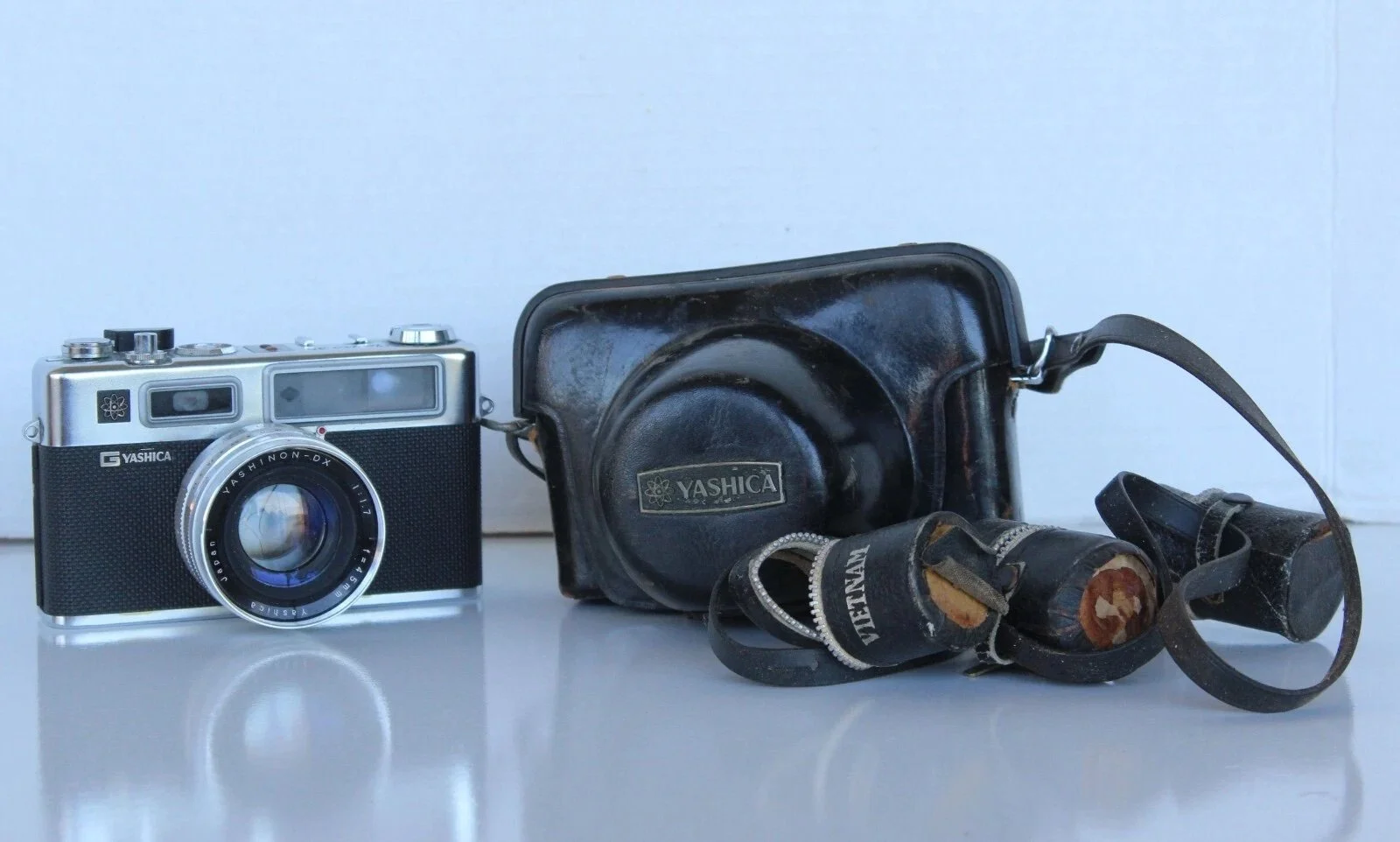
Yashica Electro 35 G (circa 1968–1972, Jim Stanley)
This camera was owned by Jim Stanley and carried with him in Vietnam. Like many servicemen, he used it to document everyday life—capturing personal moments beyond official record.
-
![]()
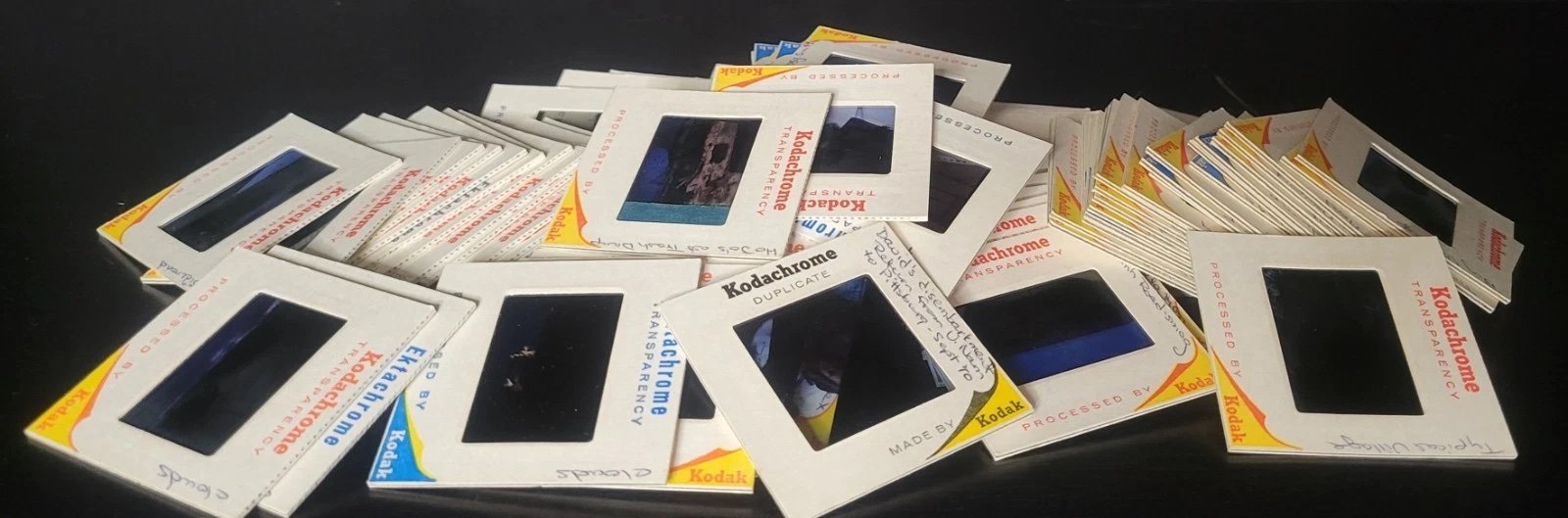
Kodak 35mm Slides of Base Life, Vietnam, Late 1960s–Early 1970s
A set of 35mm slides capturing scenes of daily life on U.S. bases.
Handwritten annotations along the mounts identify people, locations, and activities.
-
![]()
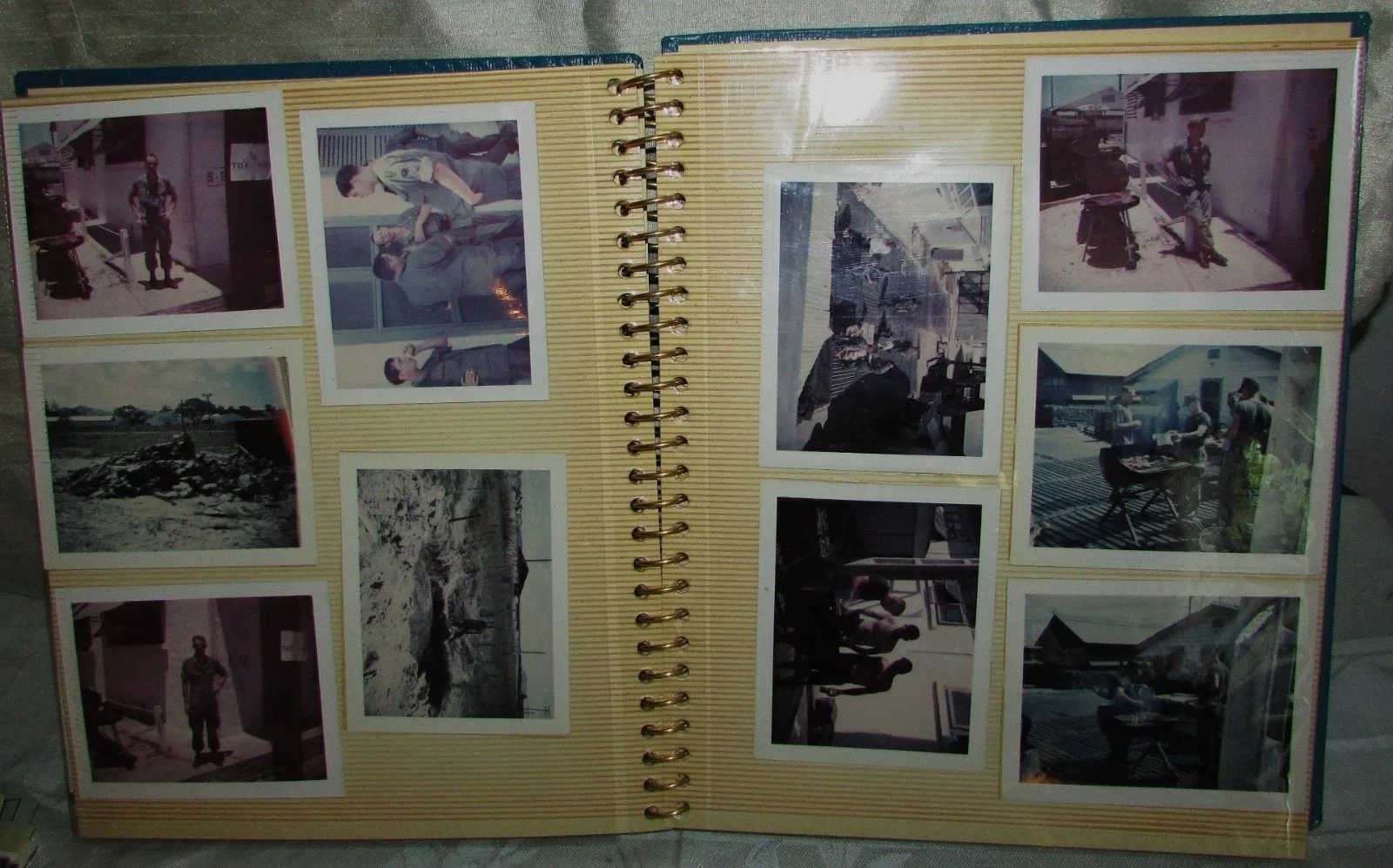
“Memory of South Viet-Nam” Photo Album, 1968–1971
An album assembled by a U.S. serviceman, featuring approximately 90 photographs.
Sequenced and titled at the time, it reflects an effort to shape memory through images. This album is part of a larger collection of personal photo albums in the archive, collectively documenting lived experience in Vietnam.
-
![]()
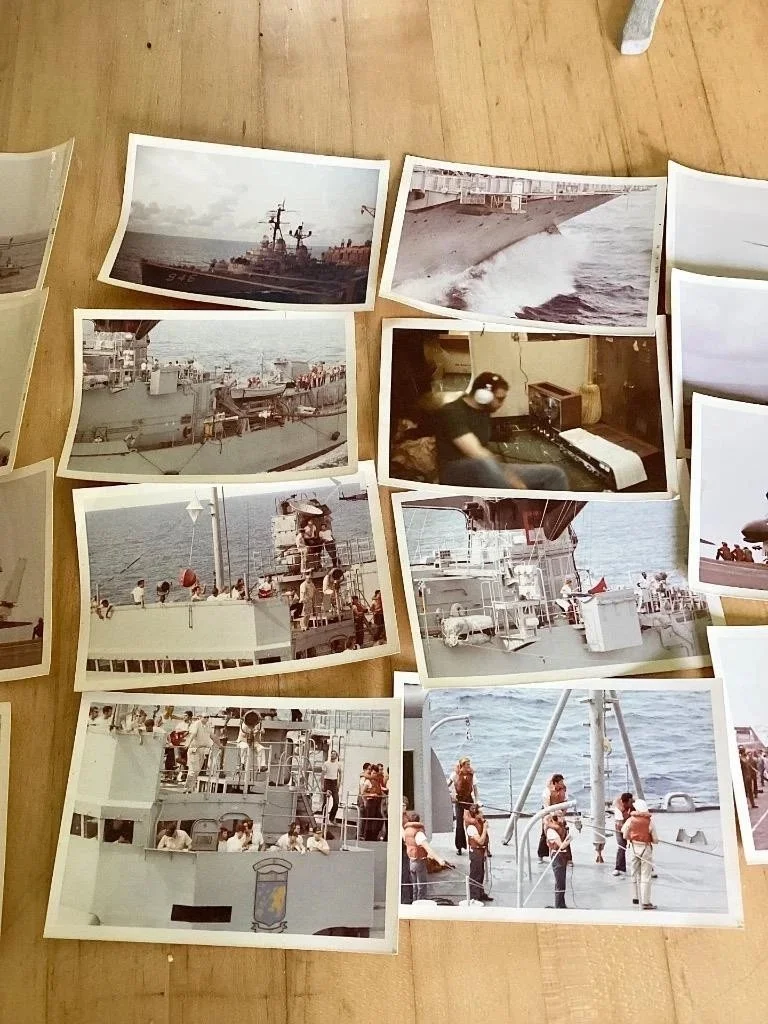
Fragments of a War (The photos)
Thousands of loose photographs, in color and black and white, taken by U.S. servicemen during the Vietnam War. Removed from albums and separated from their original context, these images remain unsequenced and often unidentified.
Together, they form an expansive but fragmented archive, where meaning emerges through accumulation. What is preserved is not a complete history, but a dispersed record of experience—held across thousands of images.
-
![]()
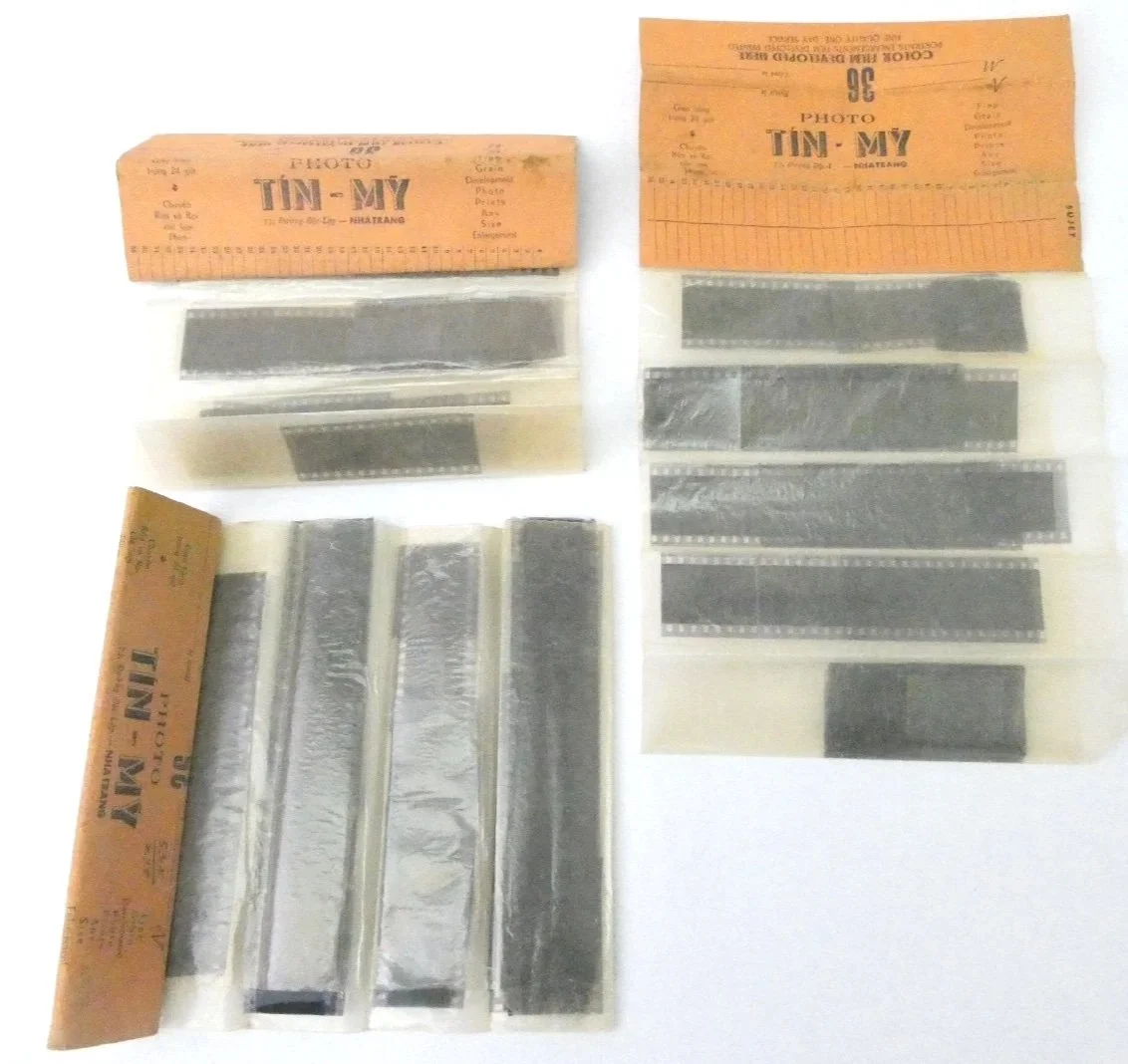
Unseen Negatives
Over 400 photographic negatives, in color and black and white, produced by U.S. servicemen during the Vietnam War.
Many have been separated from their original prints and remain unprinted since their initial development.
Through this project, selected negatives frames are printed as silver gelatin photographs, allowing these images to re-emerge after decades out of view.
-
![]()
HOME MOVIE FOOTAGE — TAN SON NHUT & SAIGON (1968–1969)
7-inch reel, ~400 ft, color 8mm film
Recorded by a U.S. Air Force serviceman stationed at Tan Son Nhut Air Base, this reel captures fragments of daily life in and around Saigon during the Vietnam War. Though described as a pilot, Schott served as an air traffic controller—positioned at the edge of constant movement.
The footage moves between Saigon street scenes, regional flights, and base life—crew gatherings, helicopters, and moments of leisure—alongside civic work, including the construction and dedication of the Dieu Quang orphanage in 1969.
Rather than documenting combat, the camera lingers on what surrounded it: routine, movement, and brief moments of connection. Within Between Frames, the reel remains a partial record—an individual perspective shaped by what was seen, and what was chosen to be remembered.