Between Frames
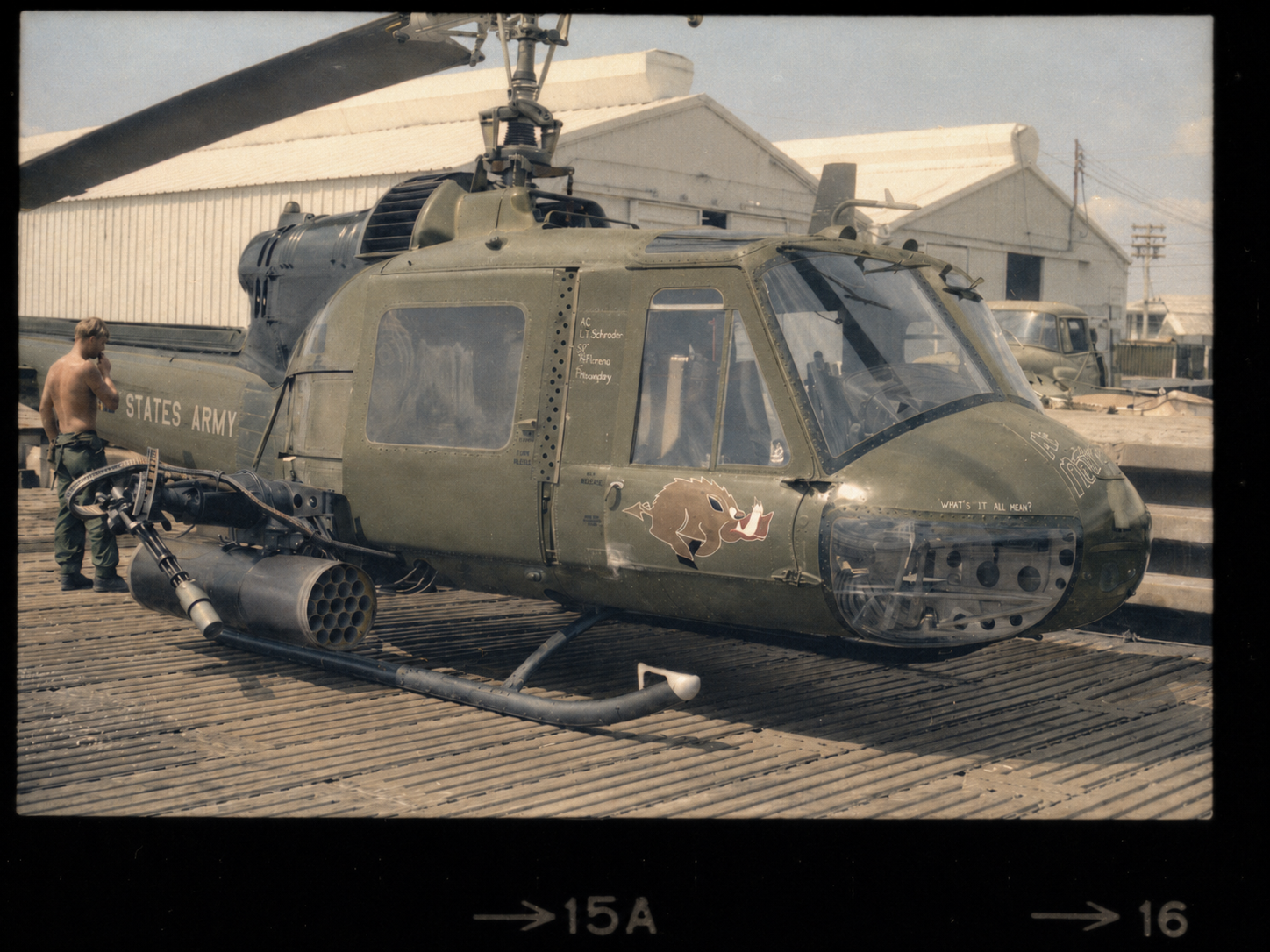
What Does This All Mean?
Ordinary Lives in the Shadow of War.
Curated by Philippe Trinh
Between Frames
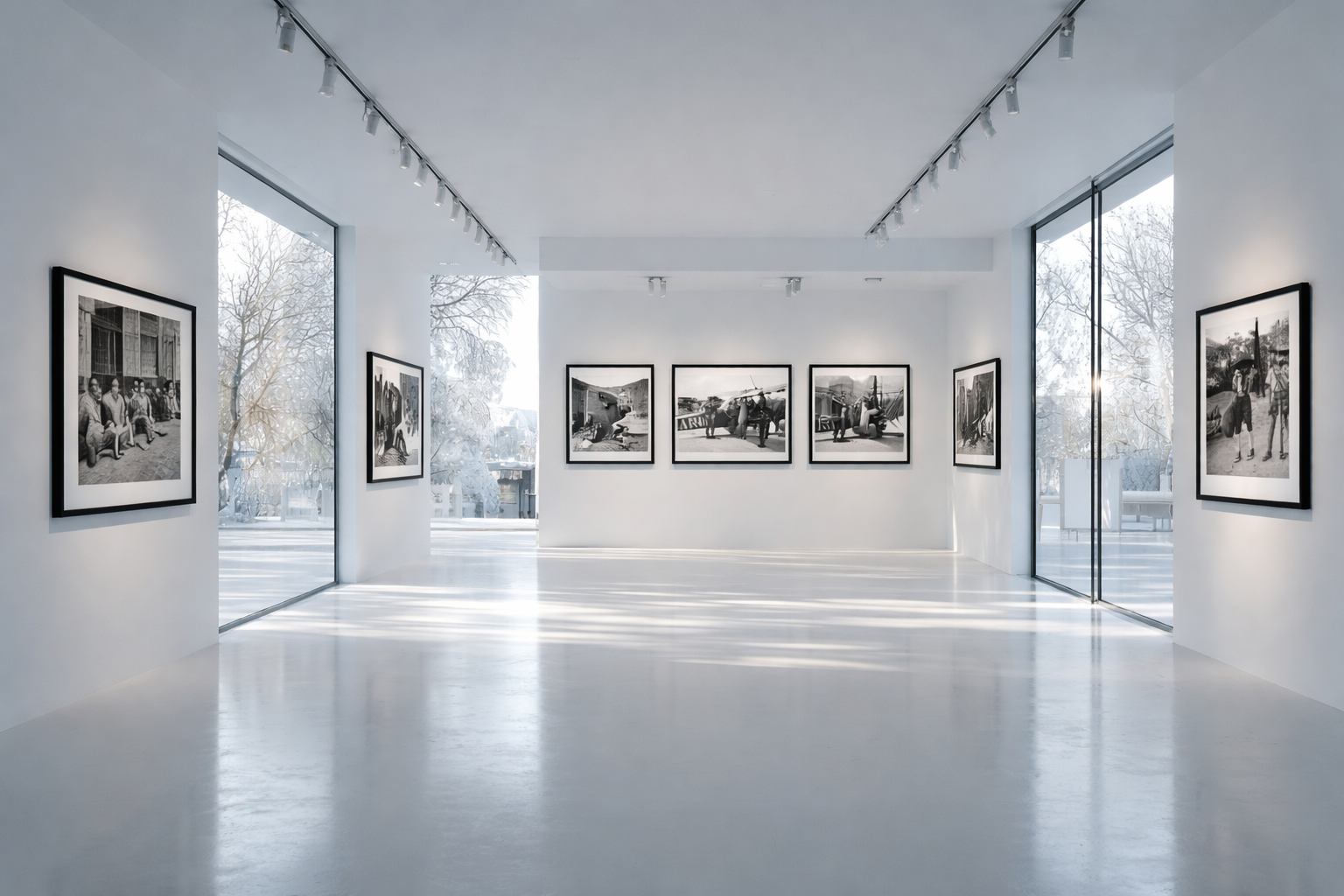
Between Frames looks at war through the photographs made by the young American servicemen who were inside it— ordinary men trying to understand what they were seeing.
Their cameras captured what official histories left out: quiet streets, waiting, brief moments of humor, boredom, fear, beauty, and ordinary life continuing around a war.
Many of the people in these photographs had dreams, families, and futures imagined beyond the conflict. The Vietnamese civilians living through it did too. So did the young men sent thousands of miles from home to fight in a place they may barely have understood.
The project does not ask who won.
It asks what was lost.
What happens to ordinary people when political decisions become personal realities? Why are young men asked to fight? What did they believe they were protecting? What did the people around them endure? And after the fighting ends, who carries the consequences?
The phrase found written on a helicopter—“What does this all mean?”—becomes the central question running through the work. It is not answered. It hangs over every image: the soldiers, the civilians, the landscape, the moments before and after violence.
Between Frames is about the human life that existed beyond the battlefield— and the uncertainty left behind when the reasons for war no longer feel equal to everything it took away.
Fragments of a Country
Carried forward: Photographs from Vietnam and the Memory They Preserved.
-
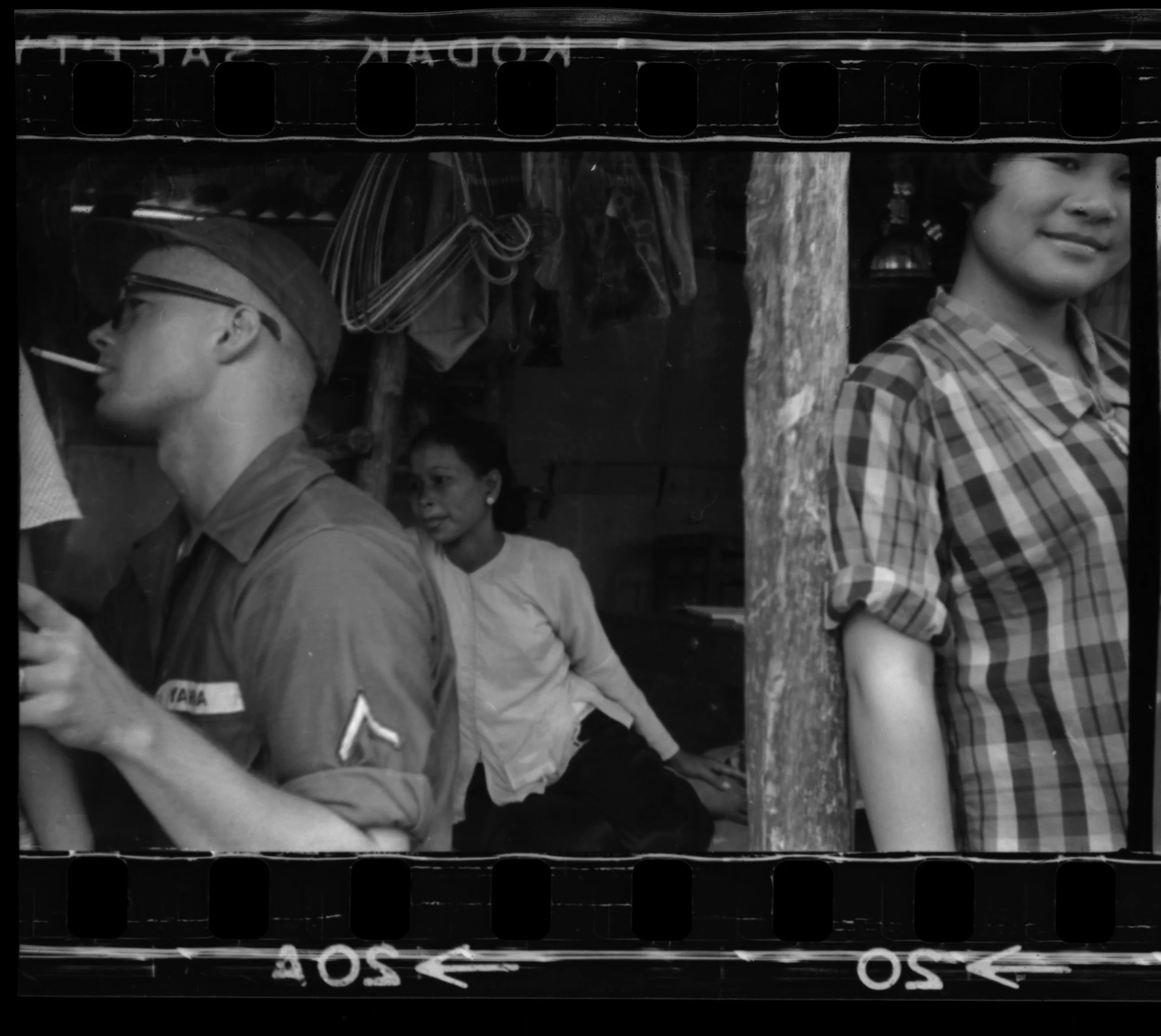
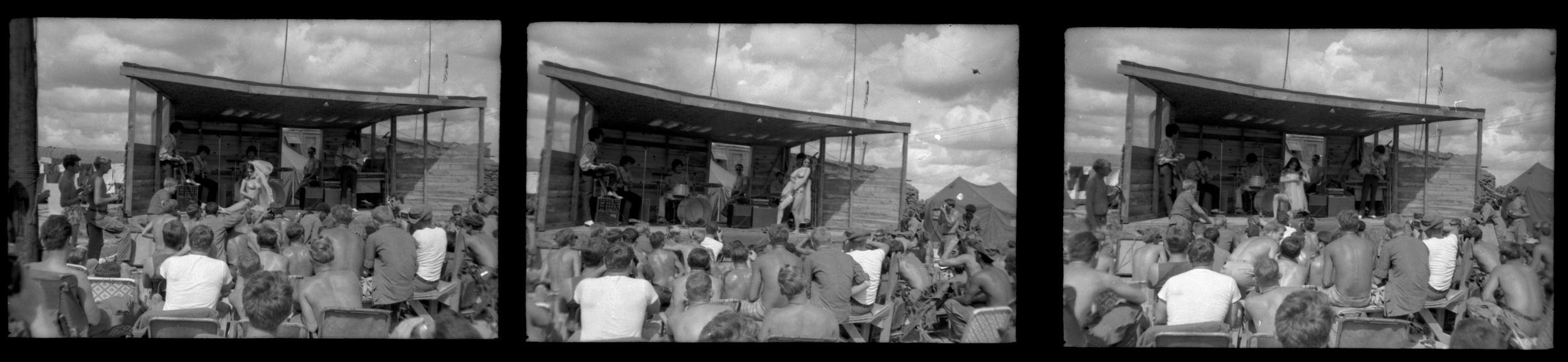
Recovered from thousands of found and preserved negatives, photographs, and film strips taken by U.S. servicemen in Vietnam, Between Frames looks beyond the familiar images of war.
These photographs rarely depict combat. Instead, they capture the lives surrounding it: soldiers waiting, civilians working, children playing, streets and markets continuing under the shadow of conflict. They reveal ordinary people with families, ambitions, routines, and imagined futures—lives interrupted by decisions made far beyond them.
Viewed through the personal cameras of the young men sent to serve, the photographs raise questions that official histories cannot easily answer: Why do we go to war? What did those inside it believe they were fighting for? Who wins, when so much is lost?
A phrase found written on a helicopter—“What does this all mean?”—runs through the work as an unresolved question. Decades later, these images remain suspended between duty and doubt, beauty and destruction, everyday life and the forces that forever altered it.
-
Some of these photographs are hurried and imperfect; others feel surprisingly deliberate. Together, they reveal what happened beyond the battlefield—the waiting, movement, chance encounters, and ordinary routines that continued around the war.
Each image is only a fragment. It cannot explain the full experience or tell us what happened beyond the frame. But the gaps matter. They remind us that war is lived not only through major events, but through small moments recorded by people trying to make sense of where they were.
What remains is incomplete, personal, and unresolved.
-
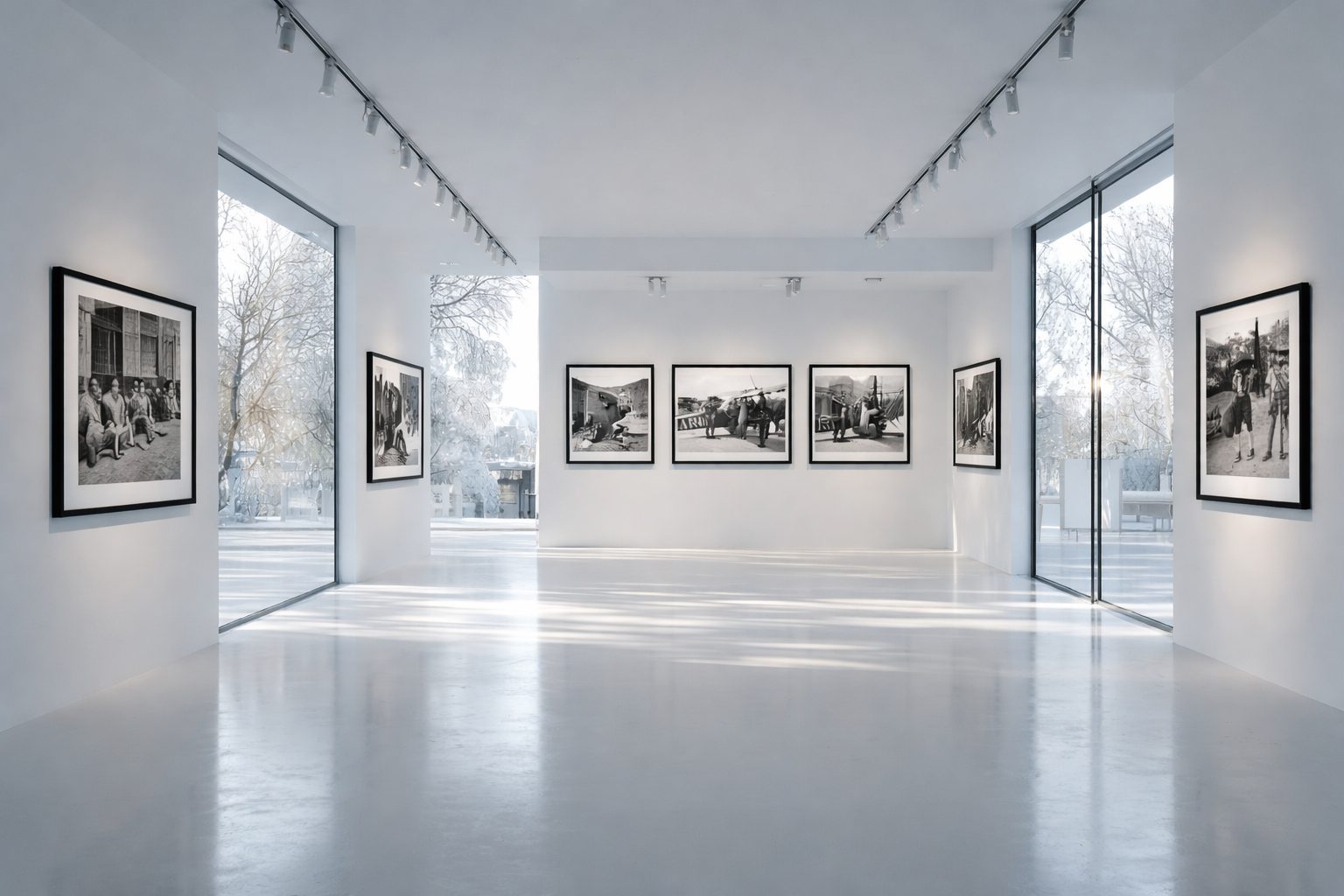
This exhibition brings together photographs, negatives, and film fragments collected and preserved by Trinh, then edited into a new visual sequence.
The archive is presented without attempting to turn it into a single, authoritative history. Instead, the exhibition follows recurring subjects, gestures, and relationships across different photographers: men posing for one another, handwritten notes, local streets, shared meals, and long stretches of waiting.
The images were originally made for private use, they were never intended to function as public evidence or historical explanation. Their meaning changes when they are enlarged, placed beside one another, and viewed decades later.
Captions provide context where it can be established. Anonymous faces remain anonymous. Unidentified places remain unresolved. The limits of the archive become part of the work.
Organized around the question “What does this all mean?”, the exhibition asks viewers to look slowly and consider what personal photographs can tell us about service, memory, distance, and the human cost of war—and what they can never fully explain.
-
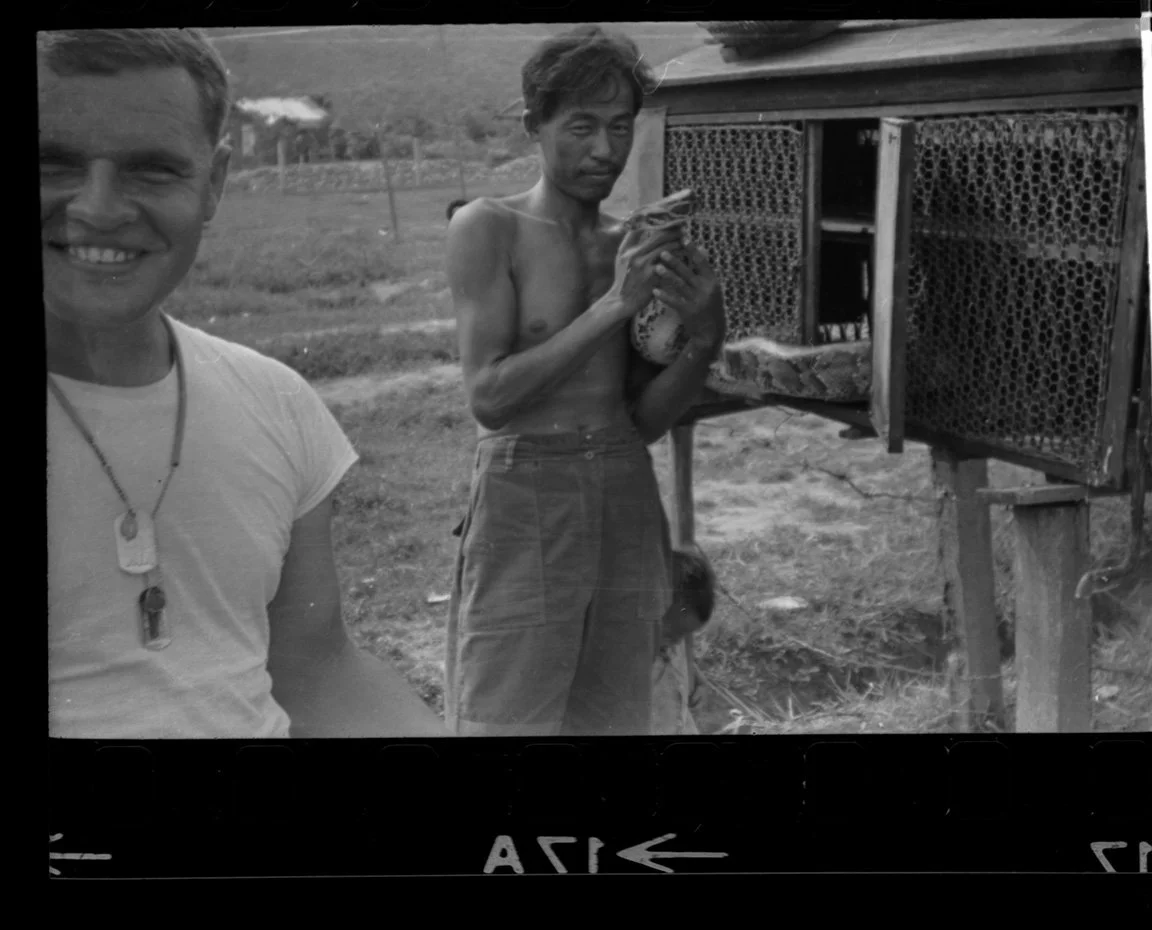
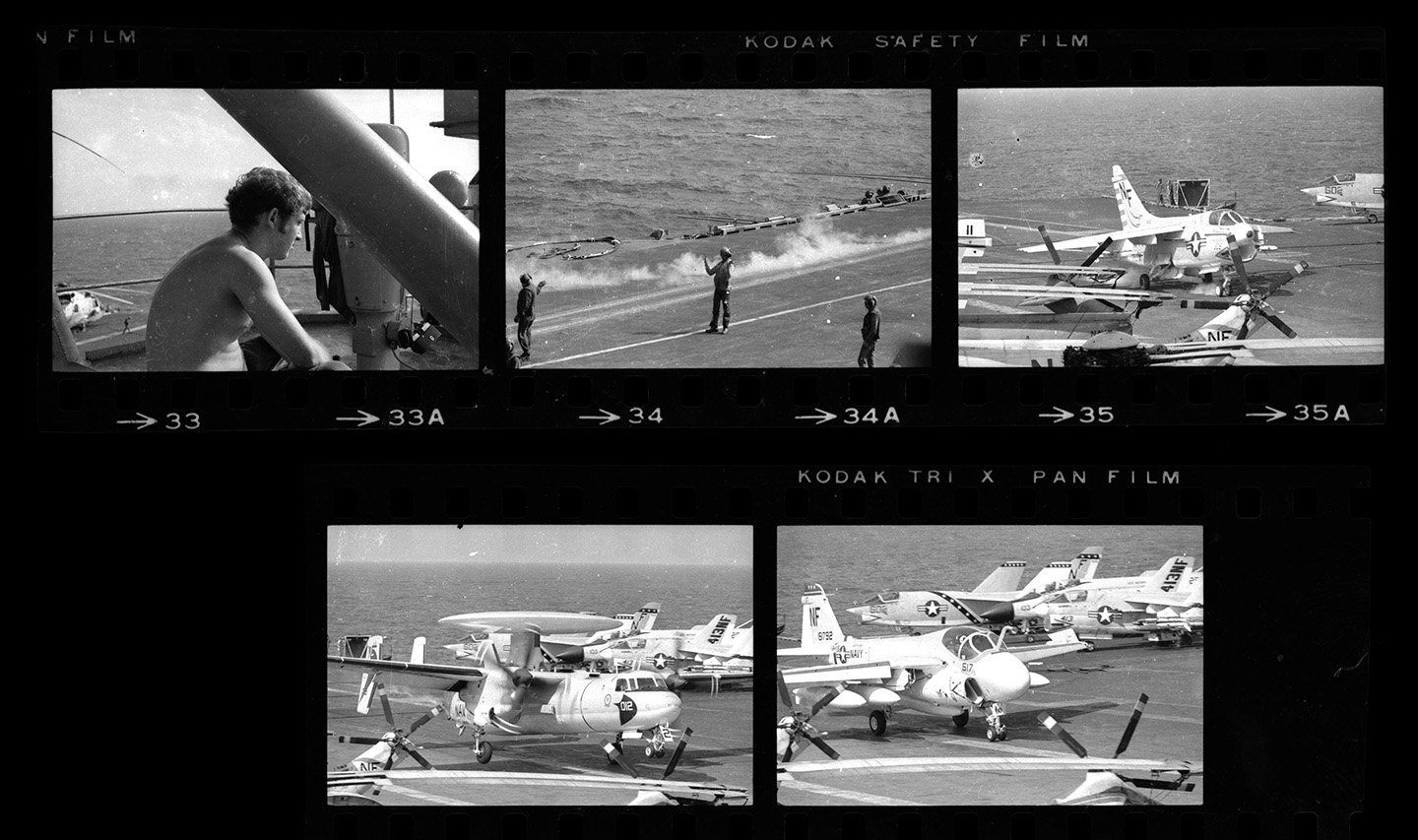
The photographs in Between Frames begin as original black-and-white negatives made by U.S. servicemen in Vietnam, many of which have never previously been printed.
Rather than converting the archive into a purely digital record, the negatives are brought back into the darkroom. Each image is hand-printed as a silver gelatin fiber print using reclaimed photographic paper manufactured during the same period as the film.
The prints are made on a vintage Leitz Focomat enlarger from the estate of jazz photographer Milt Hinton. Light passes through the original negative and exposes the silver-coated paper, allowing the image to appear through a physical and chemical process closely connected to its time.
The age of the paper, variations in exposure, and the hand of the printer remain visible in each work. No two prints are entirely identical.
These are not simply reproductions of historical photographs. They are newly made objects created from original materials—images that remained latent for decades and are now being brought into view for the first time.
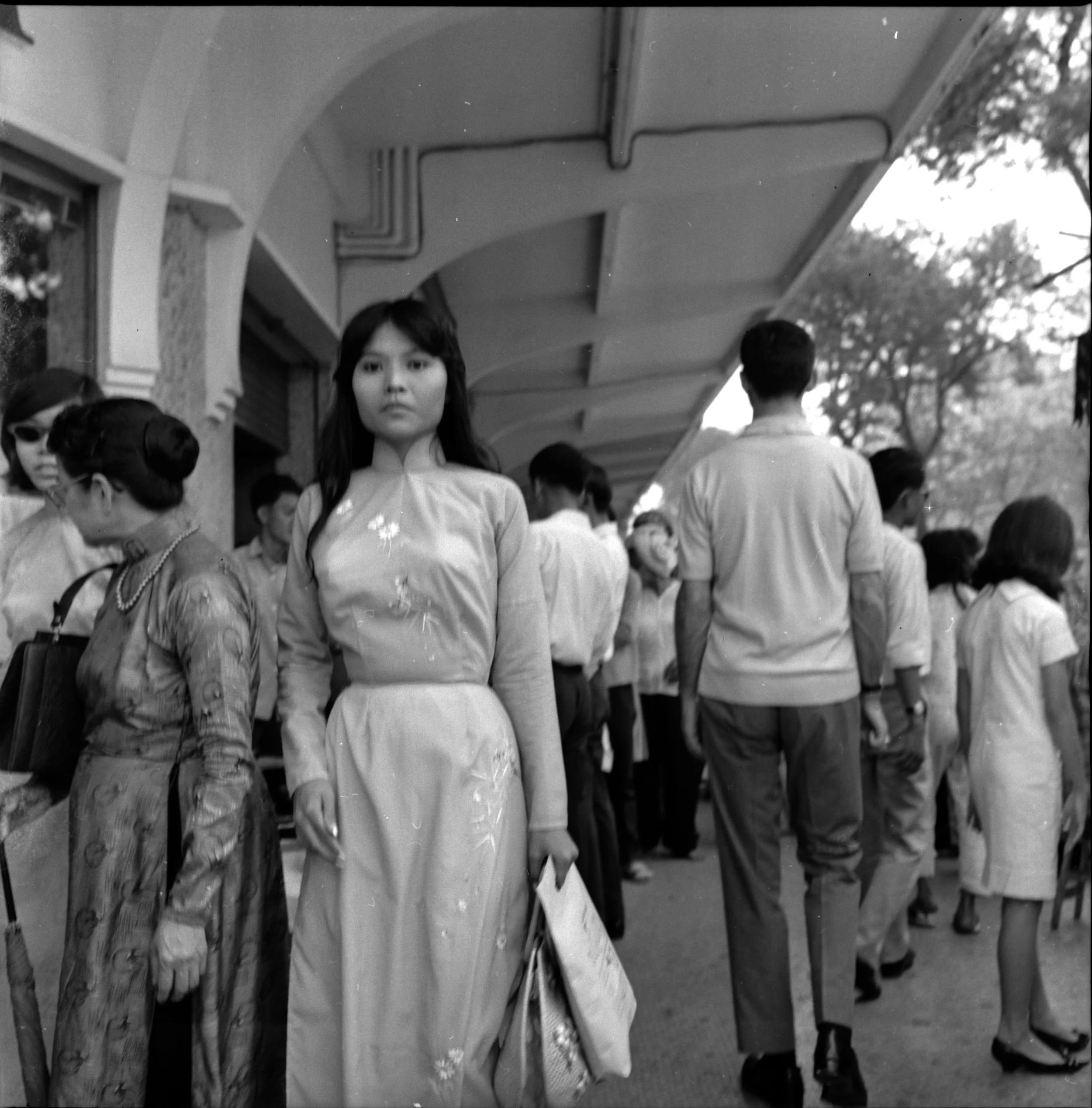
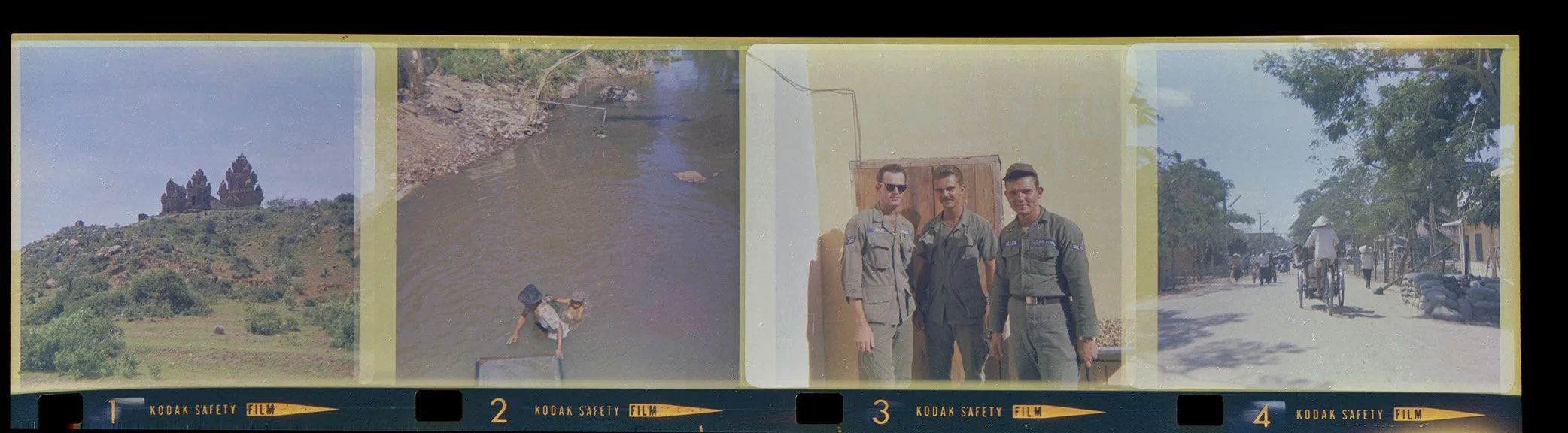
the war seen within.
Seen decades later, these photographs no longer read only as records of a distant place. They reveal war from the inside—through the attention, uncertainty, and private observations of the men who were there.

What begins as a personal image becomes part of a larger question: how war is experienced, remembered, and understood long after the moment has passed.
from one brother
to another
A life assembled through what remains.
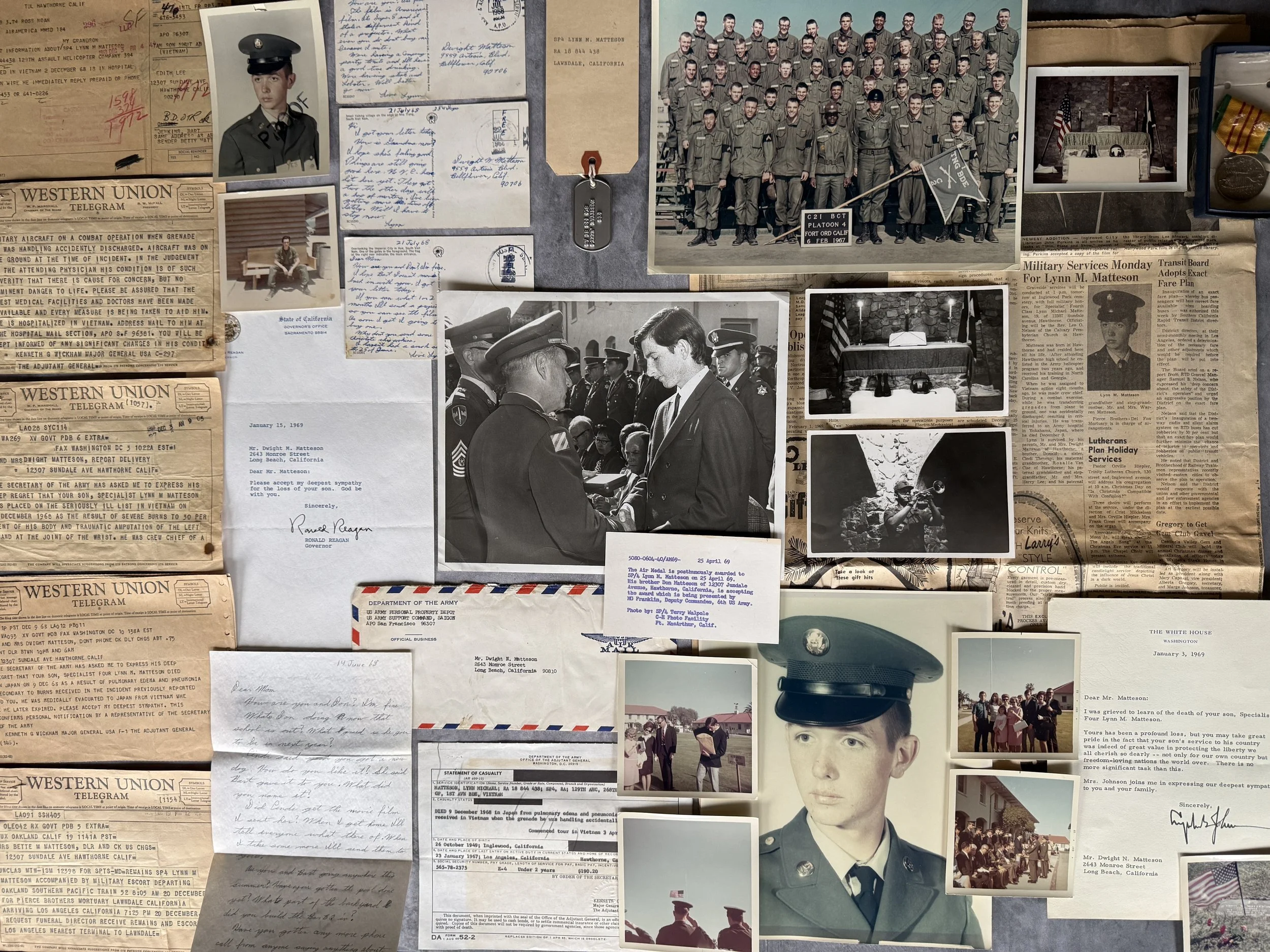
Tracing a life from presence to absence—and then into the hands of those who carried it forward. Through letters, ephemera, photographs, awards, and telegrams, this wall assembles one young serviceman’s story in fragments.
But this story does not arrive all at once.
It unfolds through a sequence of messages. Telegrams reporting injury. Updates. Then, confirmation. Each one shifting what is understood, piece by piece.
While the photographs in Between Frames reflect many lives and perspectives, Lynn Matteson’s story offers something rare: a sequence that can be followed. Not because it is complete, but because enough remains to trace its outline.
He was nineteen.
Like the images throughout the exhibition, his life is not seen in full. It is understood through what was kept—moments preserved, details recorded, and messages carried across distance.
In 1969, his brother, Don Matteson of Kingston, New York, accepted the Air Medal on his behalf. In that moment, the story shifts—from something lived, to something carried.
What began as one life becomes something carried by another.
How do we come to understand a life we were never there to witness?
Parallel Frames
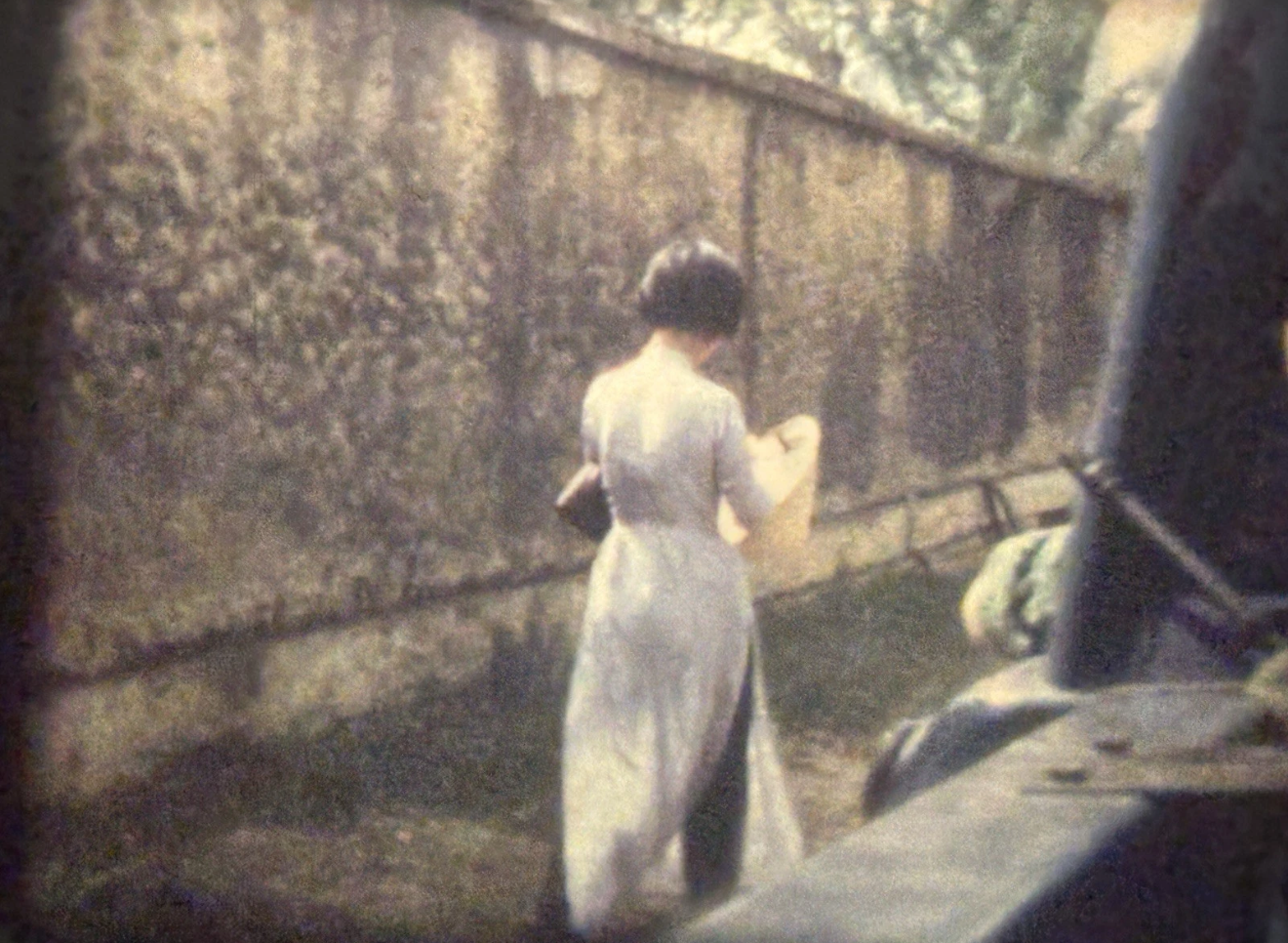
Recovered 7-inch reel, approximately 400 feet, color Super 8 film, 1969
Filmed by a U.S. Air Force serviceman stationed at Tan Son Nhut Air Base, this rare amateur reel records fragments of life in and around Saigon during the Vietnam War.
The footage moves between crowded streets, regional flights, helicopters, crew gatherings, and moments of rest. It also documents civic work surrounding the construction and dedication of the Dieu Quang orphanage in 1969.
The camera offers an incomplete account. It follows one serviceman’s attention—what appeared unfamiliar, significant, or worth preserving while moving through a country at war.
Seen decades later, these scenes carry a different weight. Everyday life continues around the machinery of conflict, while soldiers and civilians briefly occupy the same frame, each moving through the war with different understandings of why it was happening and what it would ultimately cost.
Within Between Frames, the reel remains a partial and personal record: not an explanation of the war, but evidence of one man looking through it and perhaps asking, “What does this all mean?”
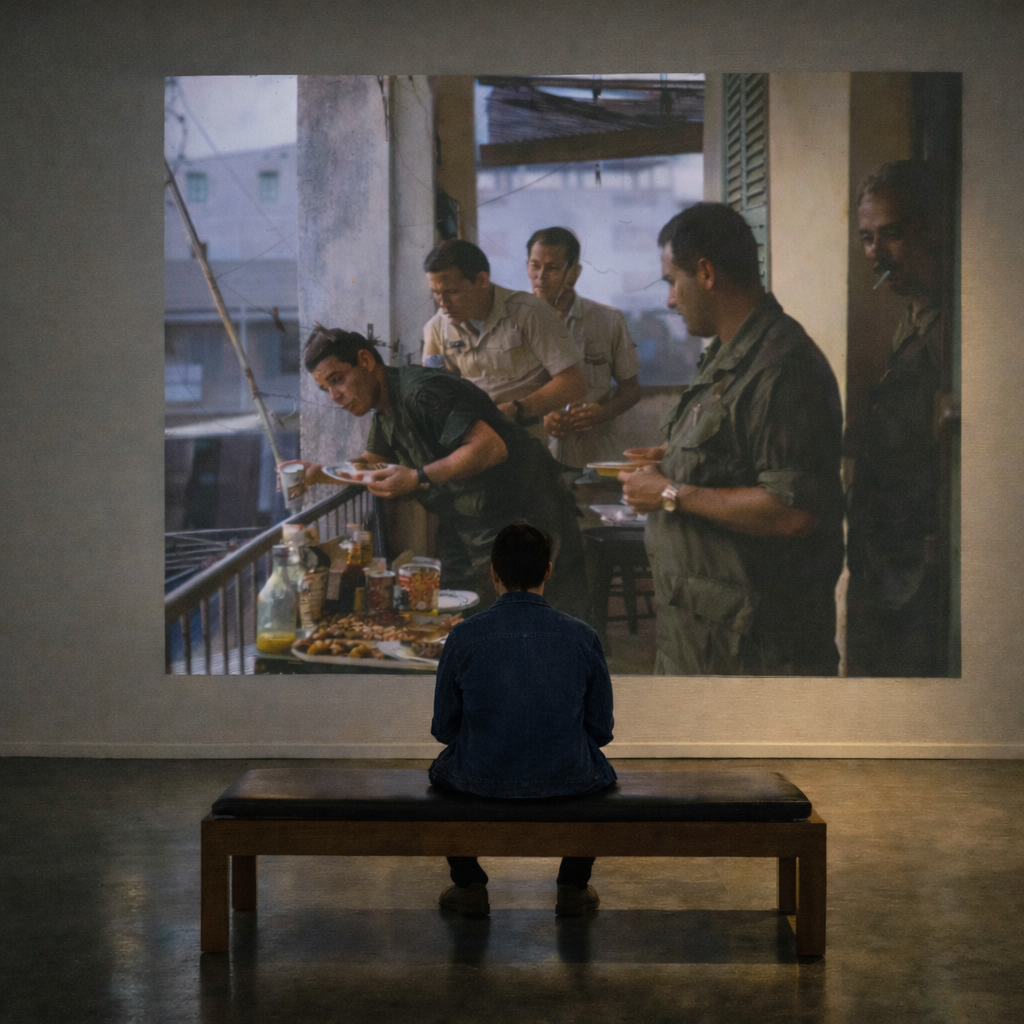
SLIDEs
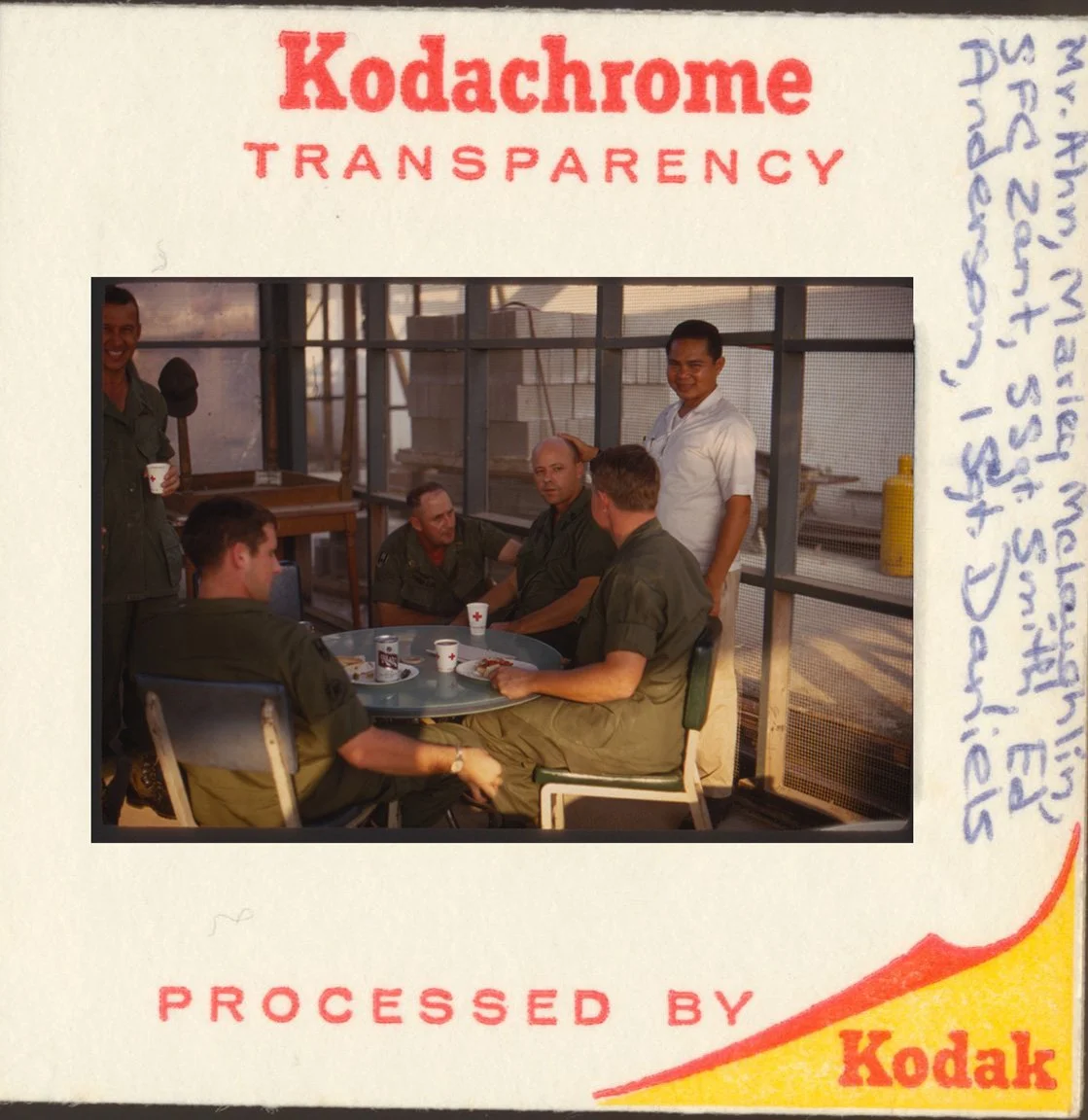
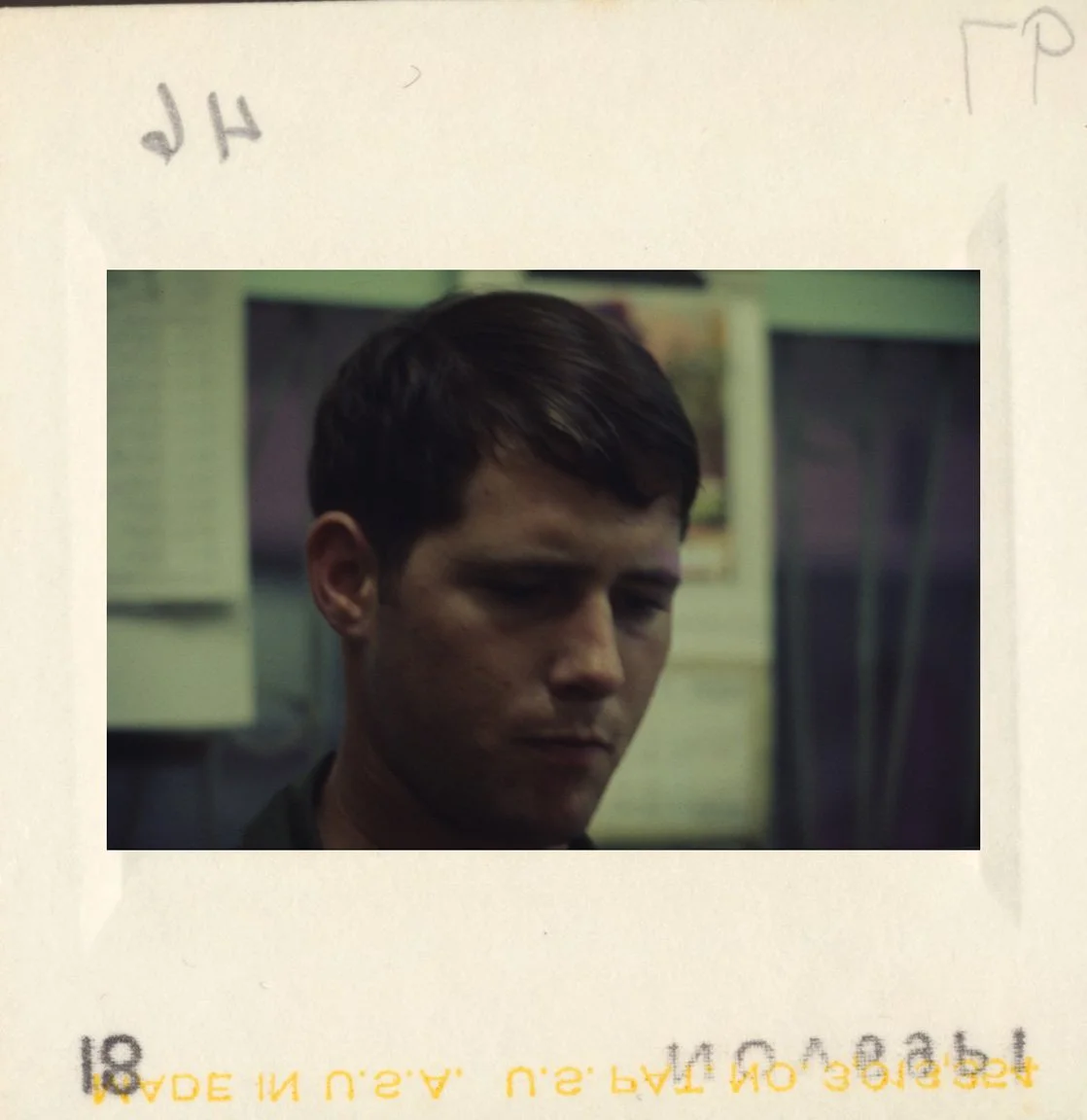
35mm slides (approx. 300), late 1960s–early 1970s.
Recovered archival slide, projected as part of the exhibition environment.
*The slide shown in photo and two slides below are originals from the archive.
The Physical Archive
-
![]()
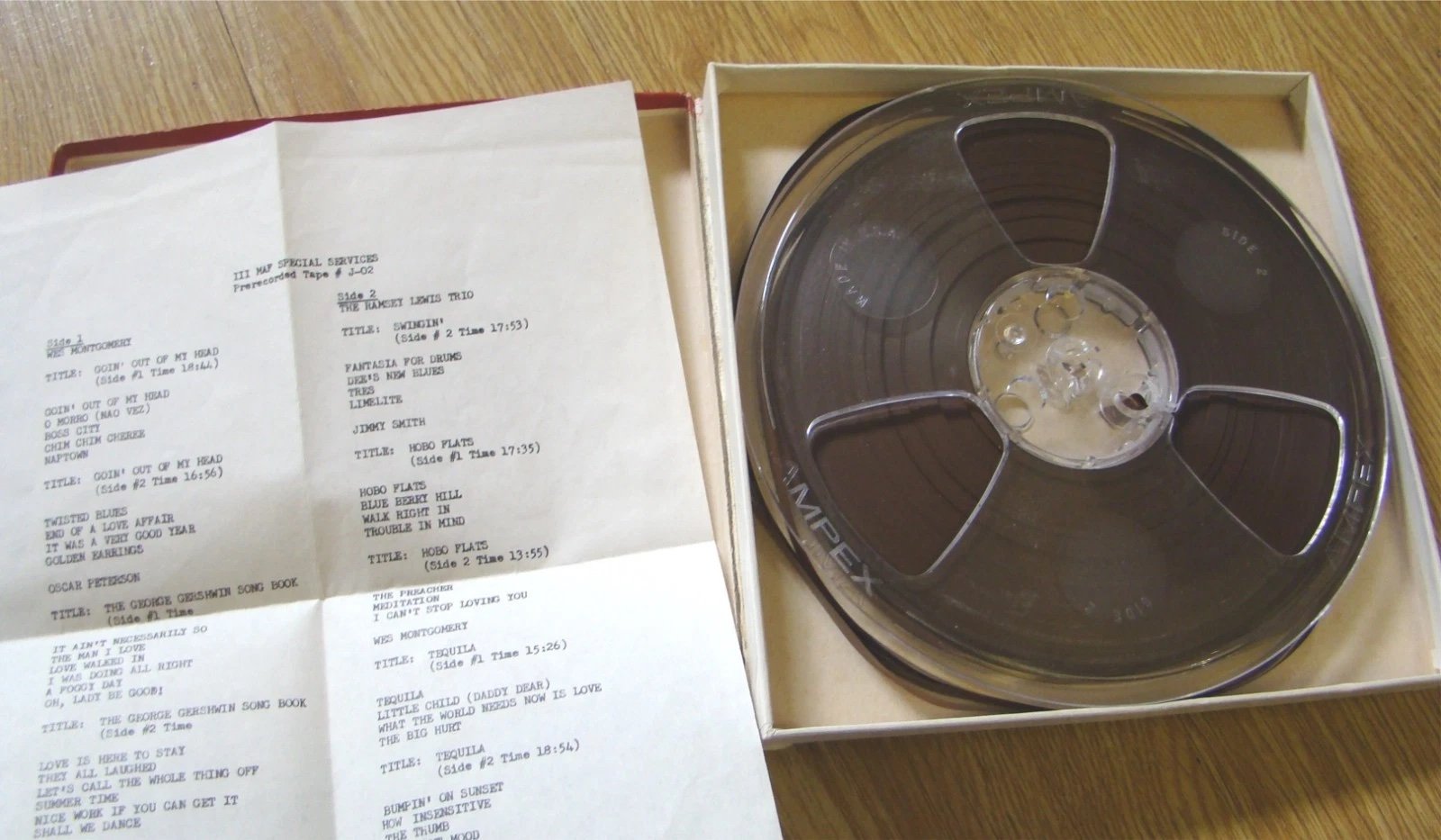
The Atlas Project- MAF Special Services Tape — Vietnam War Era
This prerecorded reel, labeled “III MAF Special Services,” was part of the U.S. Marine Corps’ effort to bring music to troops stationed in Vietnam.
Jazz—Wes Montgomery, Oscar Peterson, Ramsey Lewis—moved through base camps and rec tents, offering brief moments of calm, memory, and escape.
-
![]()
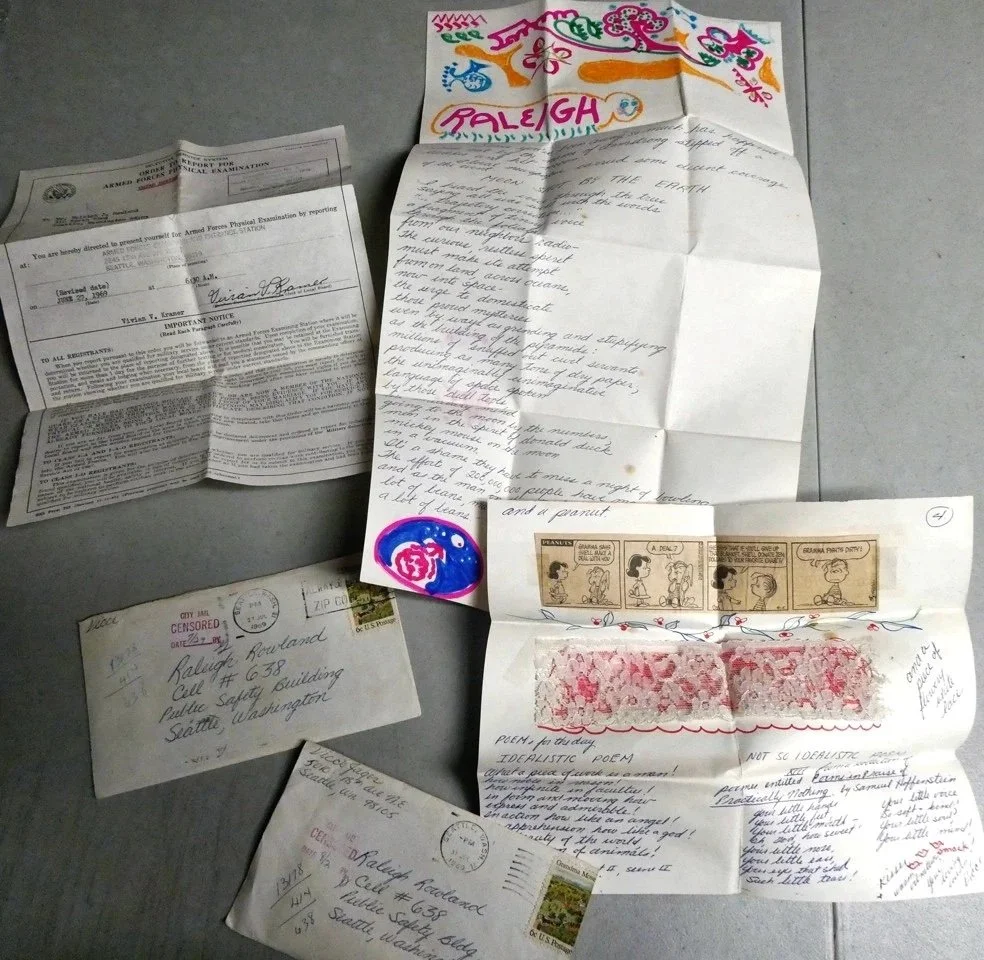
Seattle, Washington, 1969 (Draft Letter)
Censored letters sent from city jail following a Vietnam War draft order.
Marked, withheld, and returned, these documents trace a refusal and its consequence—revealing a parallel experience of the war shaped by resistance rather than service.
-
![]()
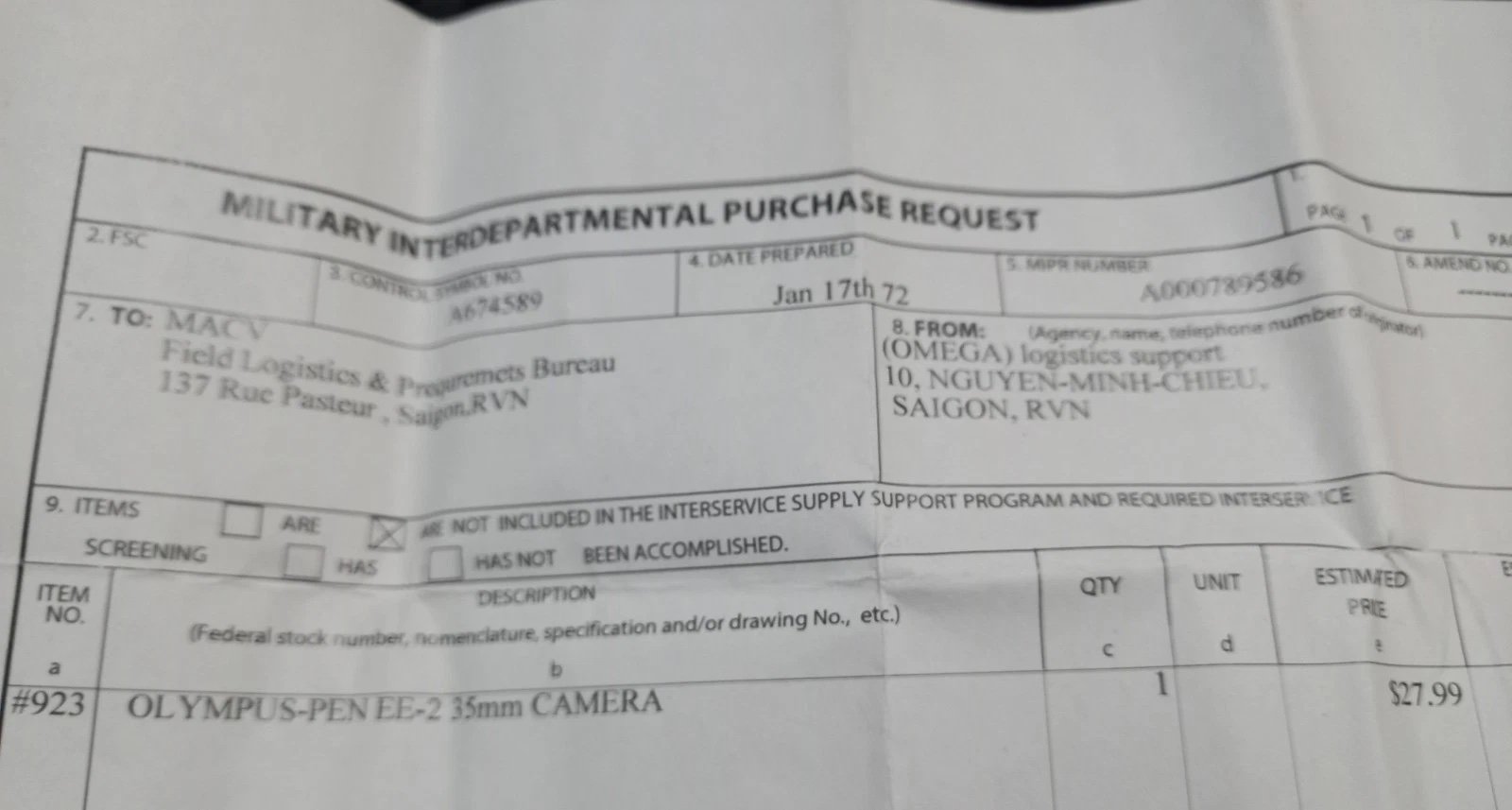
Olympus Pen EE Camera with Receipt and Film Materials
DD Form 448 (Military Interdepartmental Purchase Request)
Authorizing Officer: Cpt. Mark Soriano (MACVLS)
Request for the purchase of an Olympus Pen 35mm camera ($27.99)This original document is preserved alongside the corresponding camera, its carrying case, and film canisters.
-
![]()
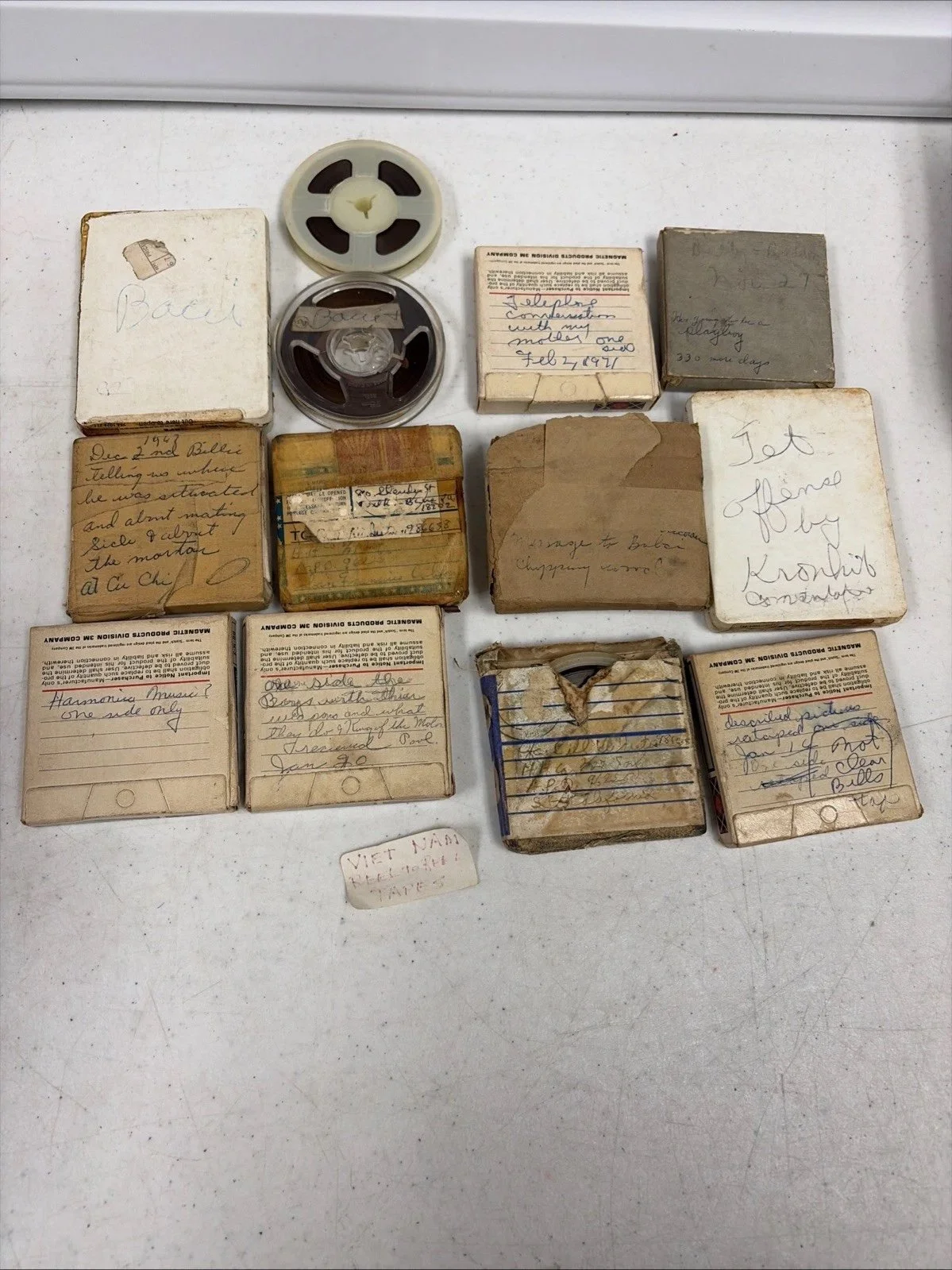
Voices on Tape (1967–1971)
A group of ¼-inch reel-to-reel recordings made by a U.S. serviceman stationed in Vietnam.
Using portable tape equipment, he documented fragments of daily life—spoken letters, conversations, music, and moments shared among friends.
Preserved in their original boxes and labeled by hand.
-
![]()
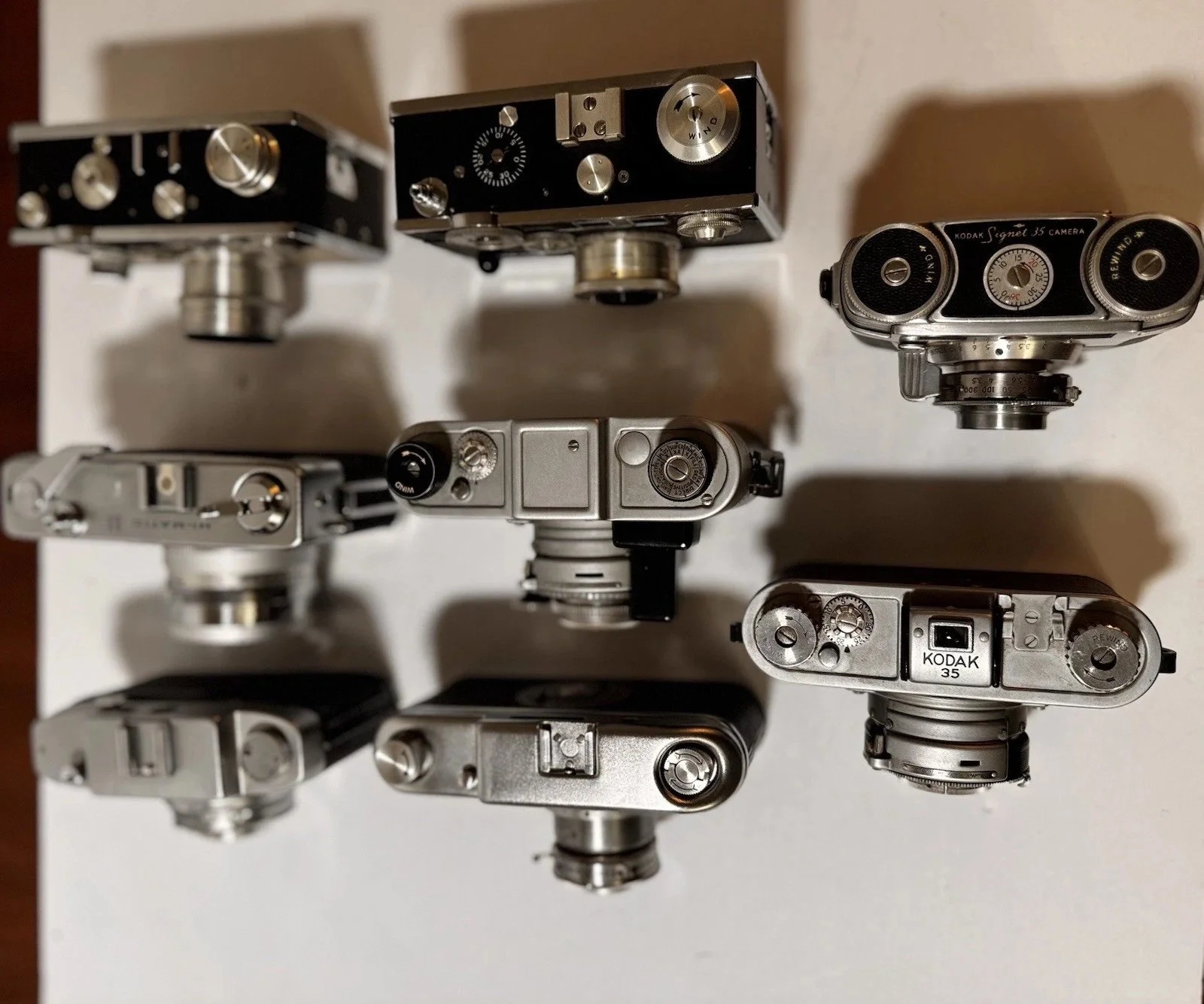
The Cameras
A selection of camera models in circulation during the Vietnam War, many carried by servicemen to document daily life.
Produced across the 1930s through the early 1970s, these cameras reflect the range of tools available to individuals moving through both civilian and military life.
-
![]()
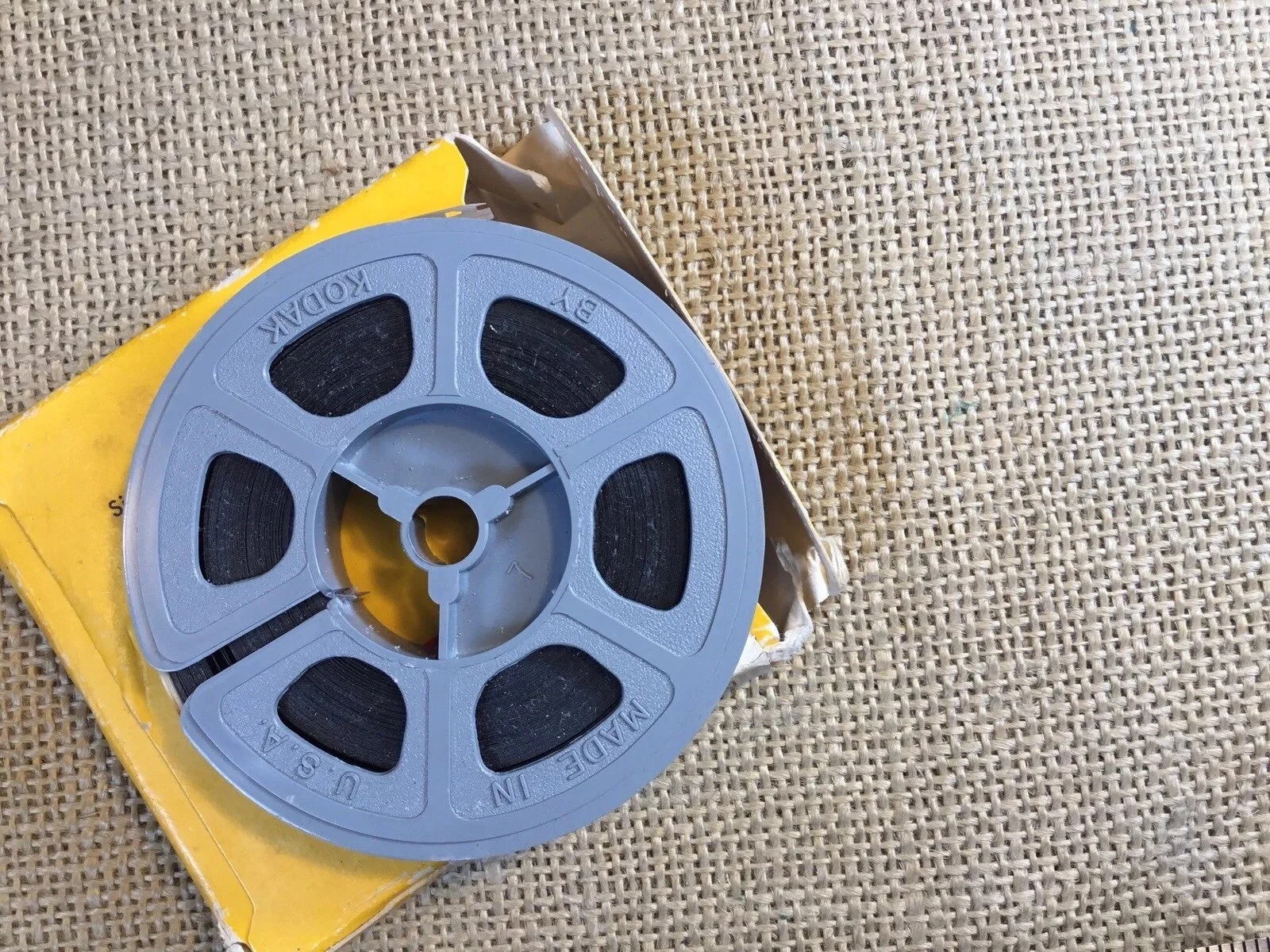
8mm Film Reel, Vietnam, January 1967
An exposed roll of 8mm film.
As part of this archive project, the contents are being viewed for the first time—revealing a sequence of moments preserved and unseen for decades.
What emerges offers a rare glimpse into daily life in Vietnam, carried forward from the instant it was captured.
-
![]()
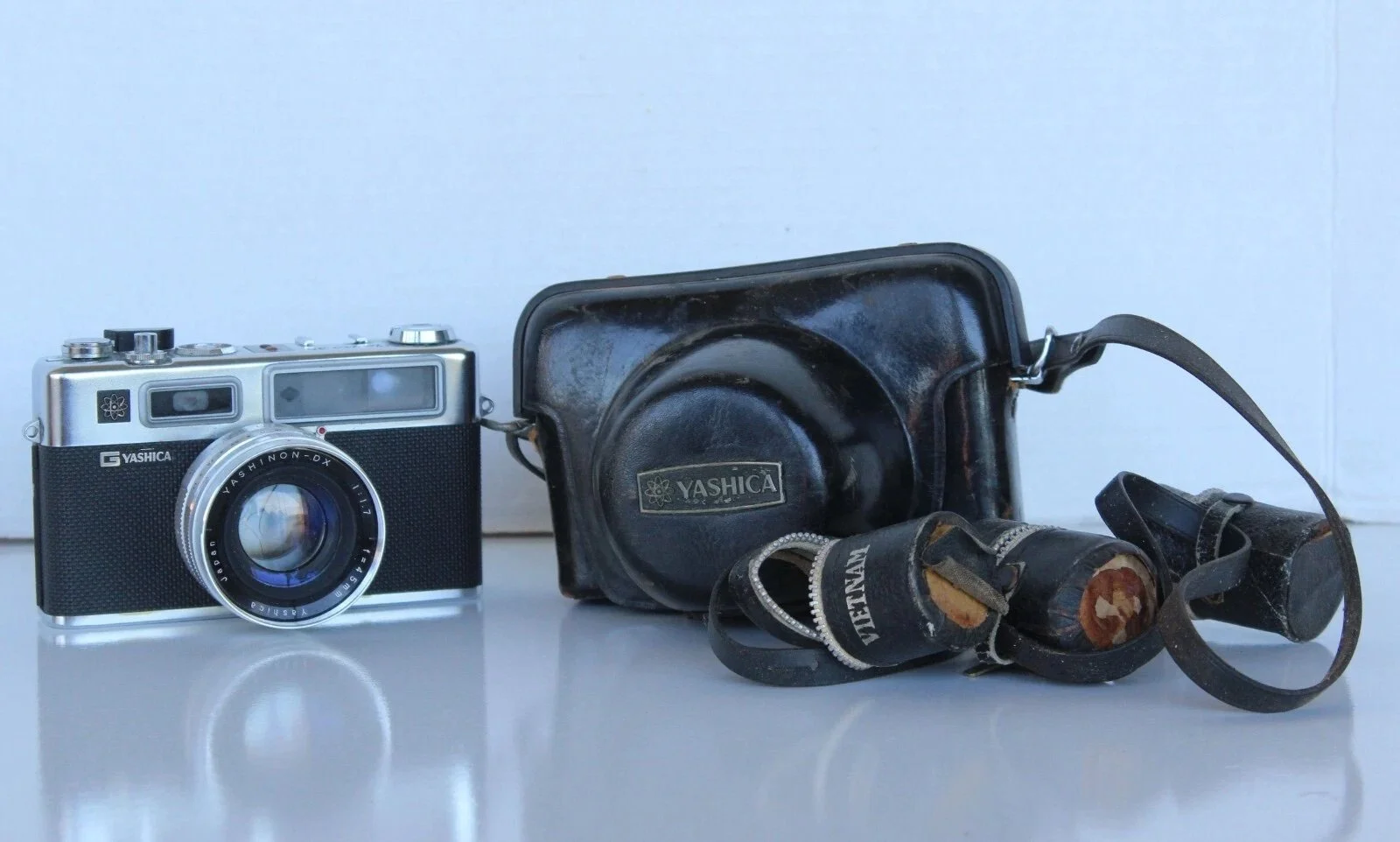
Yashica Electro 35 G (circa 1968–1972, Jim Stanley)
This camera was owned by Jim Stanley and carried with him in Vietnam. Like many servicemen, he used it to document everyday life—capturing personal moments beyond official record.
-
![]()
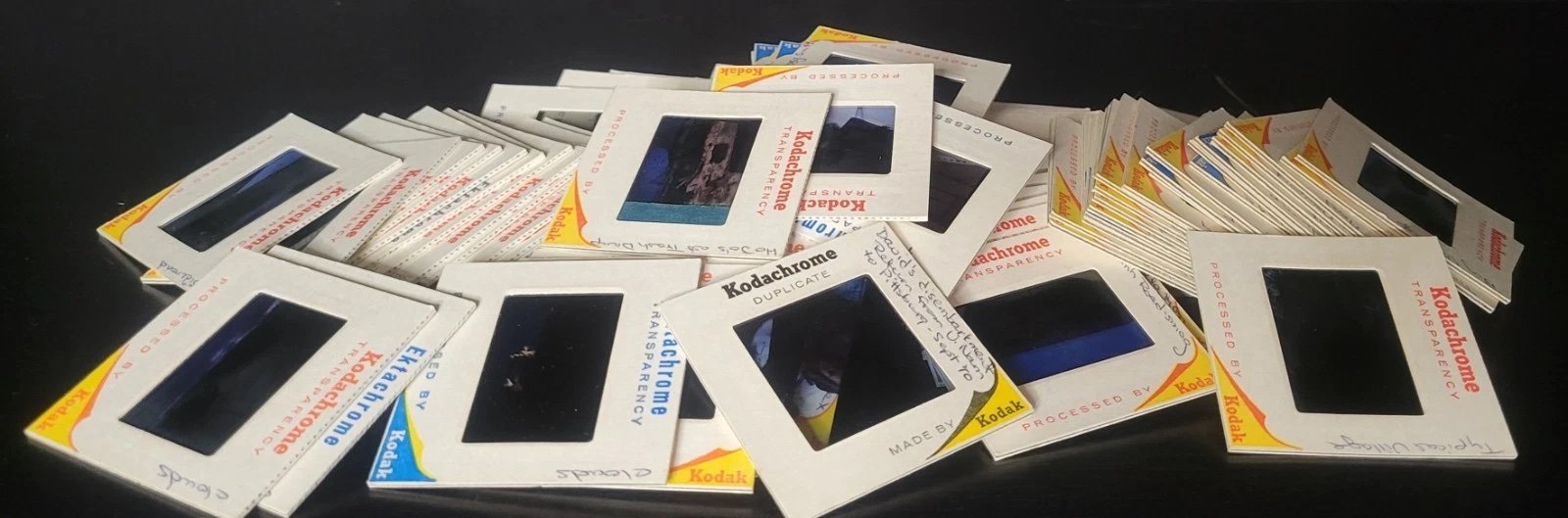
Kodak 35mm Slides of Base Life, Vietnam, Late 1960s–Early 1970s
A set of 35mm slides capturing scenes of daily life on U.S. bases.
Handwritten annotations along the mounts identify people, locations, and activities.
-
![]()
“Memory of South Viet-Nam” Photo Album, 1968–1971
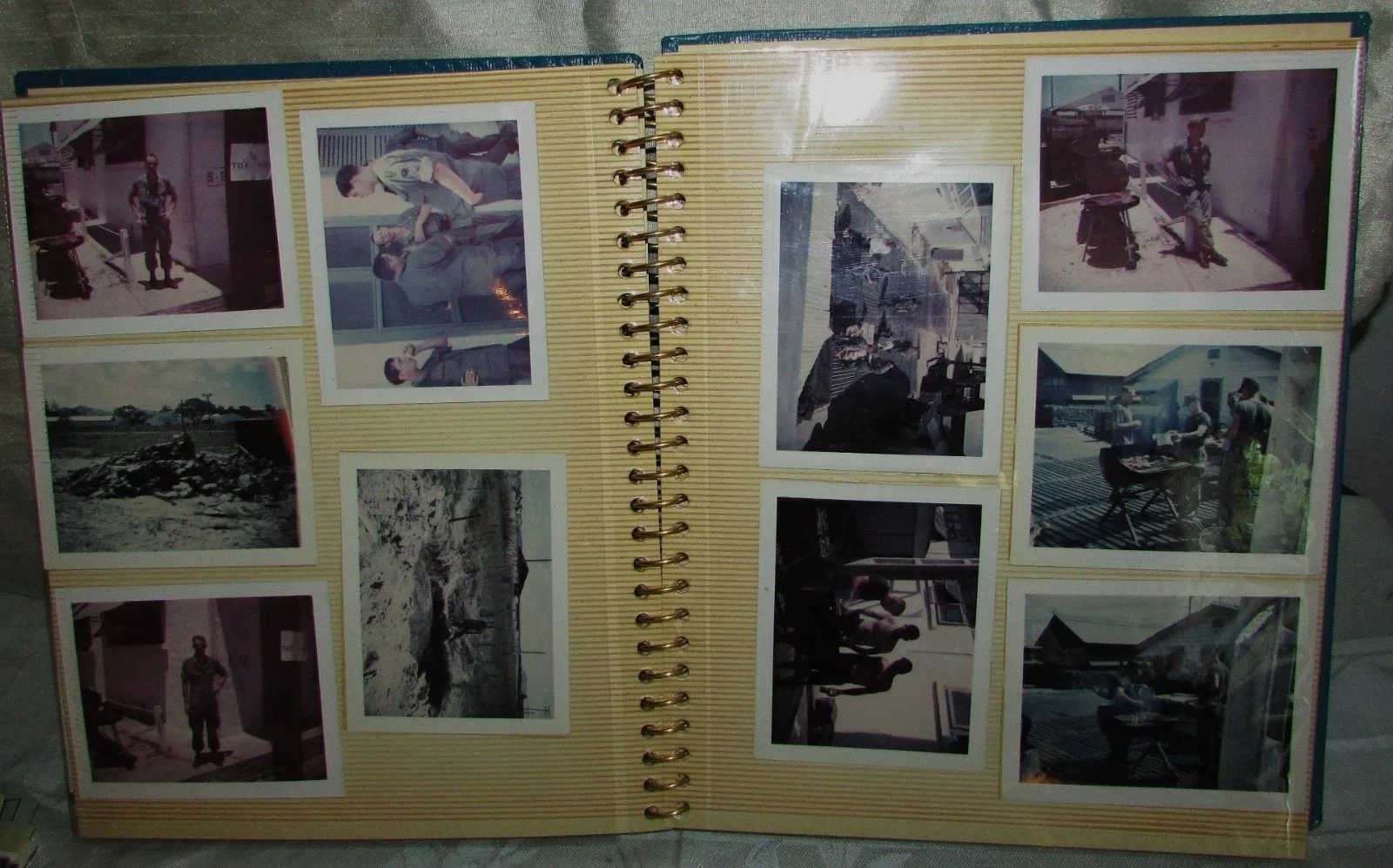
An album assembled by a U.S. serviceman, featuring approximately 90 photographs.
Sequenced and titled at the time, it reflects an effort to shape memory through images. This album is part of a larger collection of personal photo albums in the archive, collectively documenting lived experience in Vietnam.
-
![]()
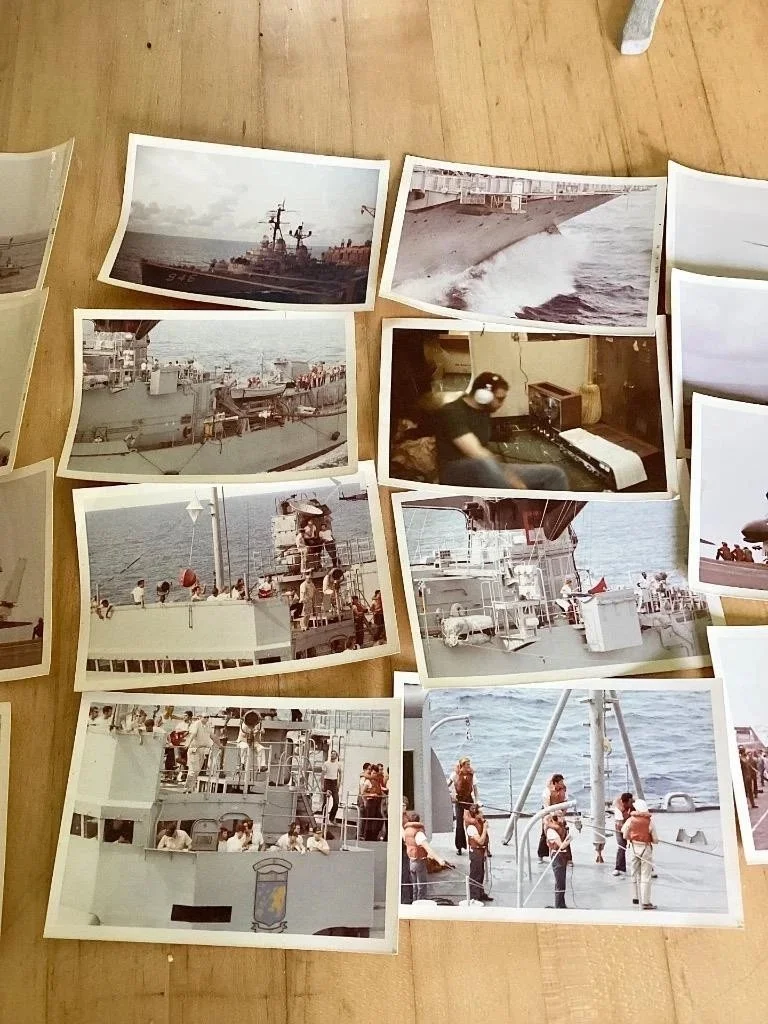
Fragments of a War (The photos)
Thousands of loose photographs, in color and black and white, taken by U.S. servicemen during the Vietnam War. Removed from albums and separated from their original context, these images remain unsequenced and often unidentified.
Together, they form an expansive but fragmented archive, where meaning emerges through accumulation. What is preserved is not a complete history, but a dispersed record of experience—held across thousands of images.
-
![]()
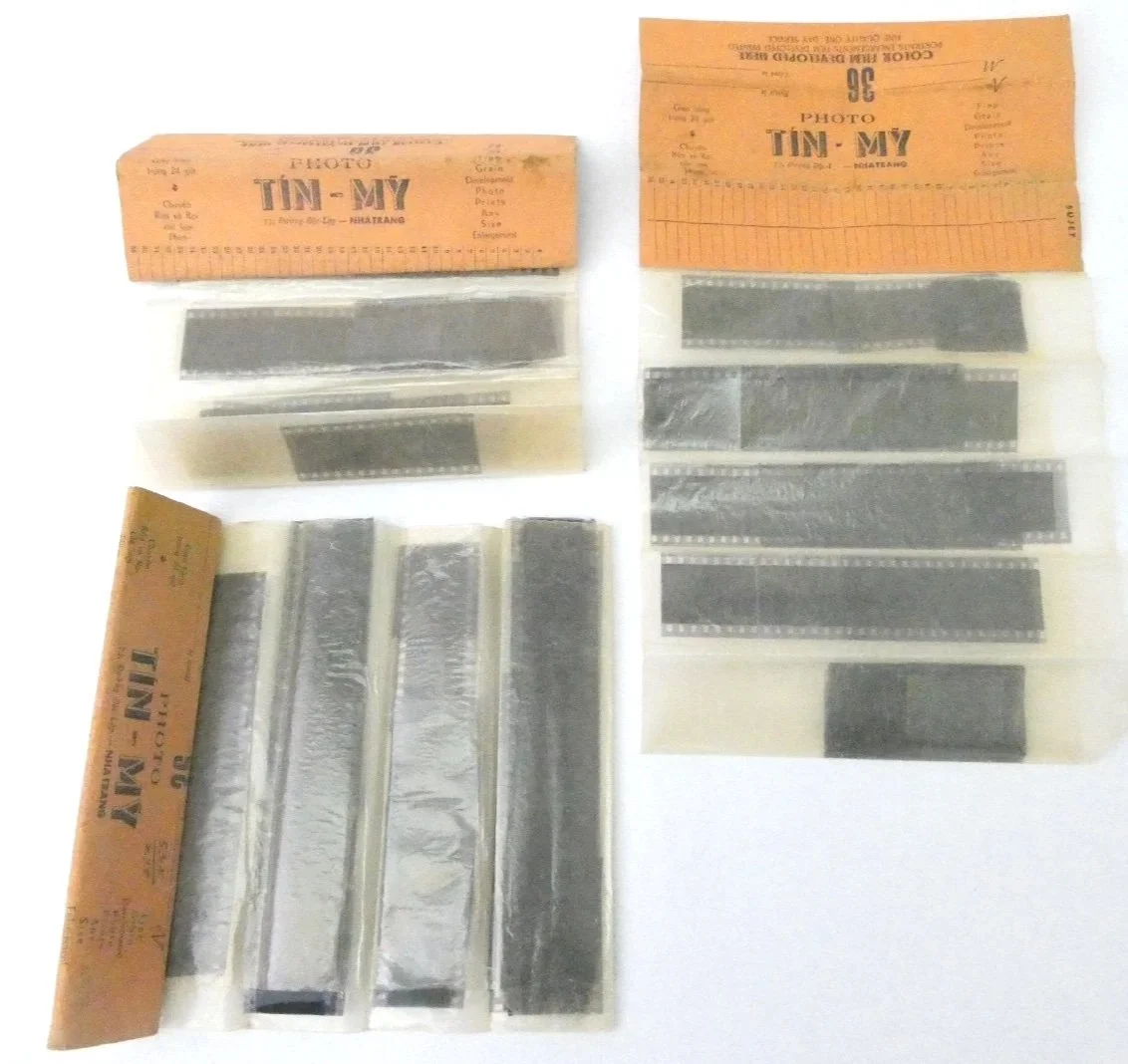
Unseen Negatives
Over 400 photographic negatives, in color and black and white, produced by U.S. servicemen during the Vietnam War.
Many have been separated from their original prints and remain unprinted since their initial development.
Through this project, selected negatives frames are printed as silver gelatin photographs, allowing these images to re-emerge after decades out of view.
-
![]()
HOME MOVIE FOOTAGE — TAN SON NHUT & SAIGON (1968–1969)
7-inch reel, ~400 ft, color 8mm film
Recorded by a U.S. Air Force serviceman stationed at Tan Son Nhut Air Base, this reel captures fragments of daily life in and around Saigon during the Vietnam War. Though described as a pilot, Schott served as an air traffic controller—positioned at the edge of constant movement.
The footage moves between Saigon street scenes, regional flights, and base life—crew gatherings, helicopters, and moments of leisure—alongside civic work, including the construction and dedication of the Dieu Quang orphanage in 1969.
Rather than documenting combat, the camera lingers on what surrounded it: routine, movement, and brief moments of connection. Within Between Frames, the reel remains a partial record—an individual perspective shaped by what was seen, and what was chosen to be remembered.