THE EXHIBIT
A three-part exhibition reflecting on the Vietnam War through photography, memory, and personal history. Bringing together archival and vernacular material, the exhibition considers how war is seen, experienced, and remembered across time

A wall of more than 35 vintage LIFE magazine covers introduces the exhibition through the public image of the Vietnam War.
For many Americans at home, the war was encountered through headlines, major events, combat photography, and images selected for mass circulation. LIFE played an important role in shaping that visual memory—helping define how the conflict was seen, understood, and remembered.
What these covers reveal is the war as it entered the public consciousness. What they rarely show are the quieter, more personal moments of daily life experienced by the servicemen themselves.
At a moment when LIFE is being introduced to a new generation, revisiting these original covers also raises questions about the lasting influence of published images—how photographs shape collective memory, and which images become part of history while others remain unseen.
The exhibition begins with the war as it was reported, before moving into the war as it was lived.
PART I: The War Seen from home
35+ Life Magazine Covers (Vietnam), 1960s–1970s
PART II: The War Seen from home
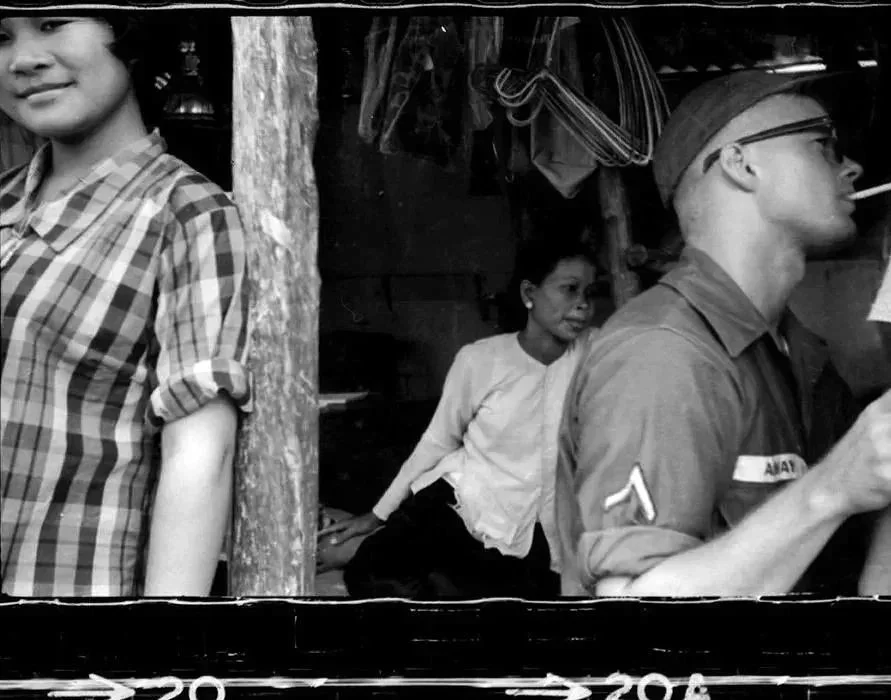
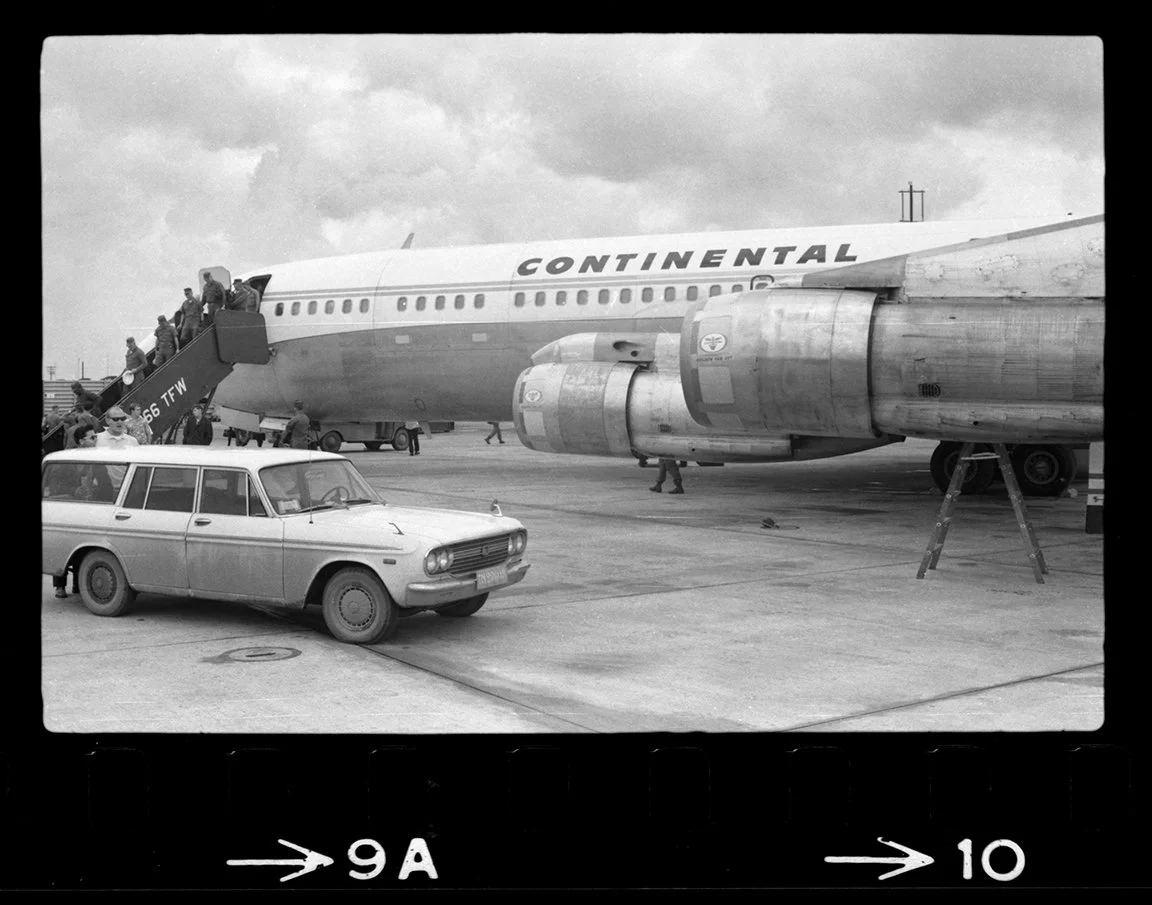
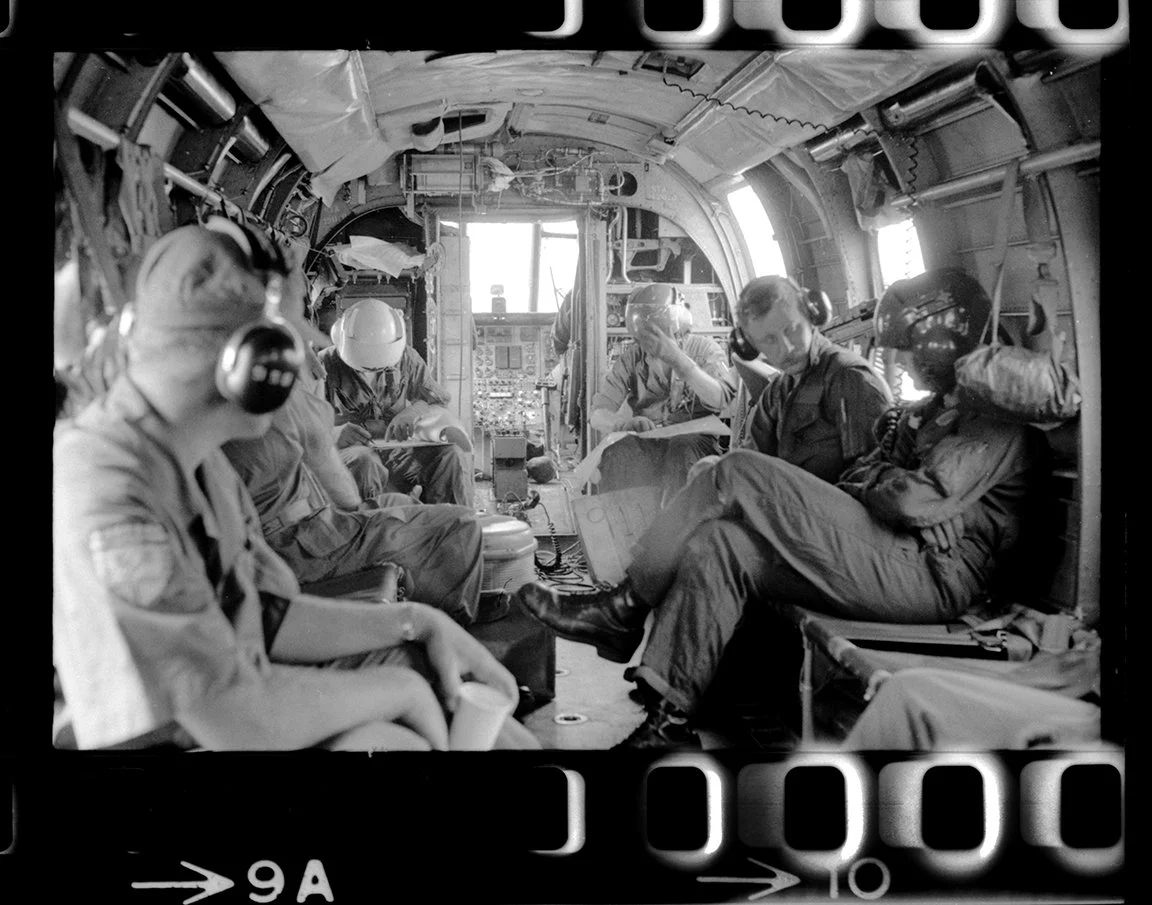
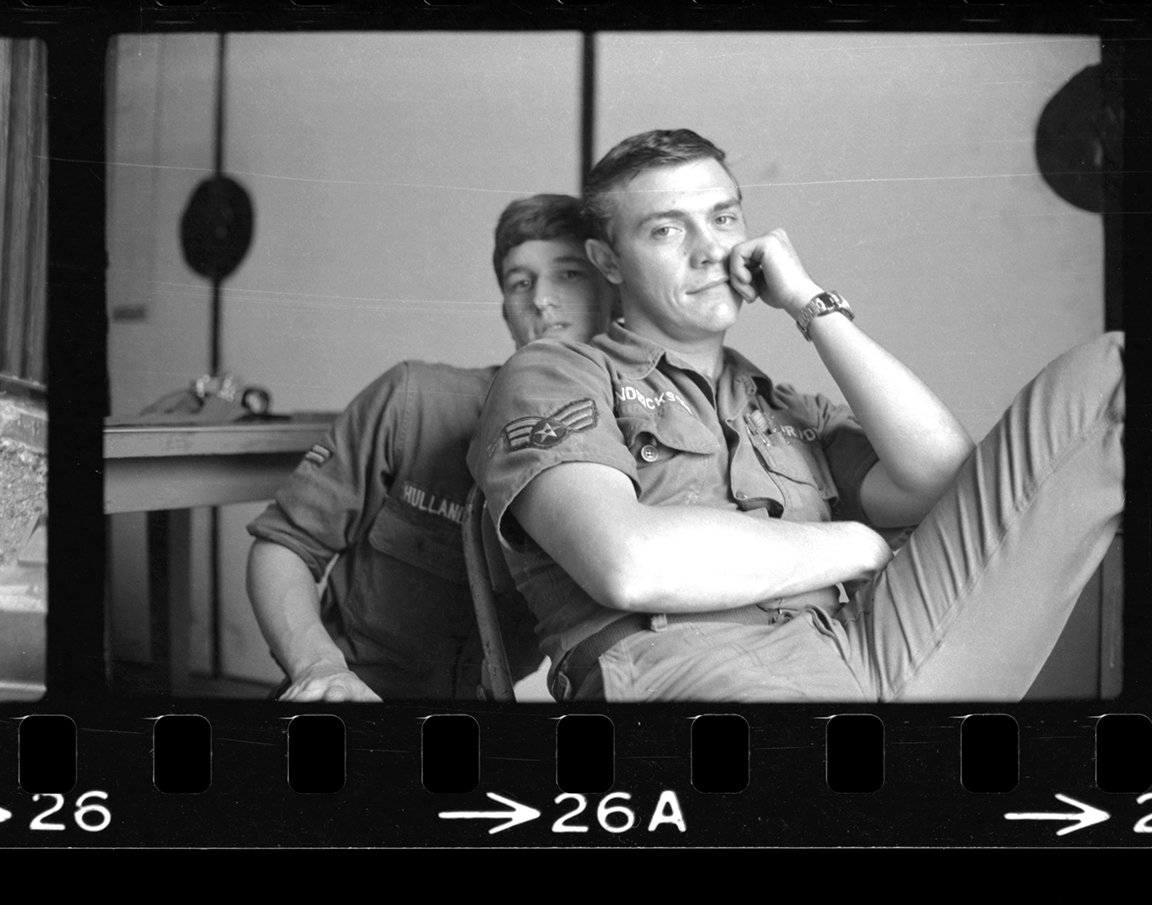
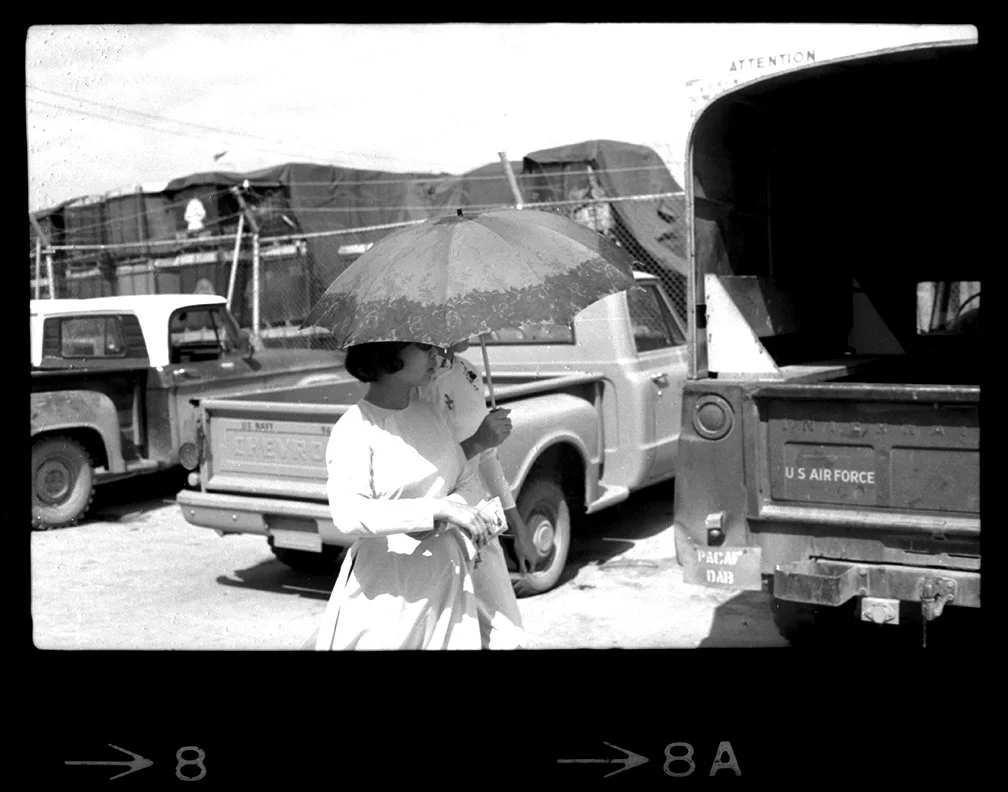
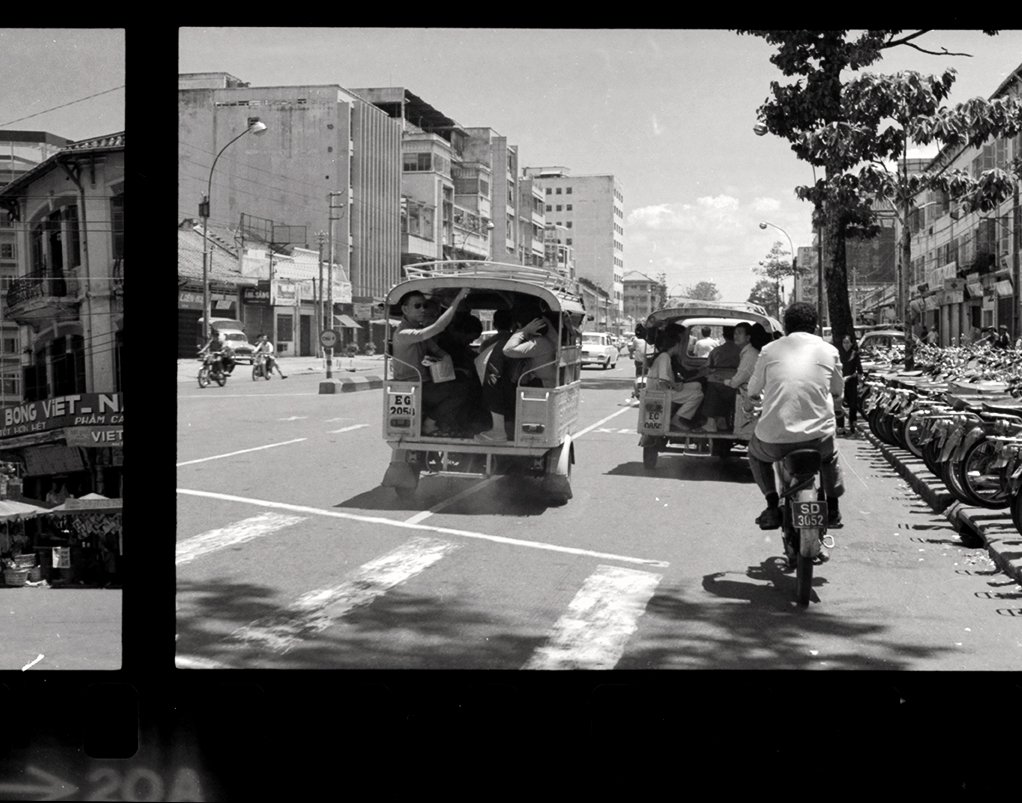
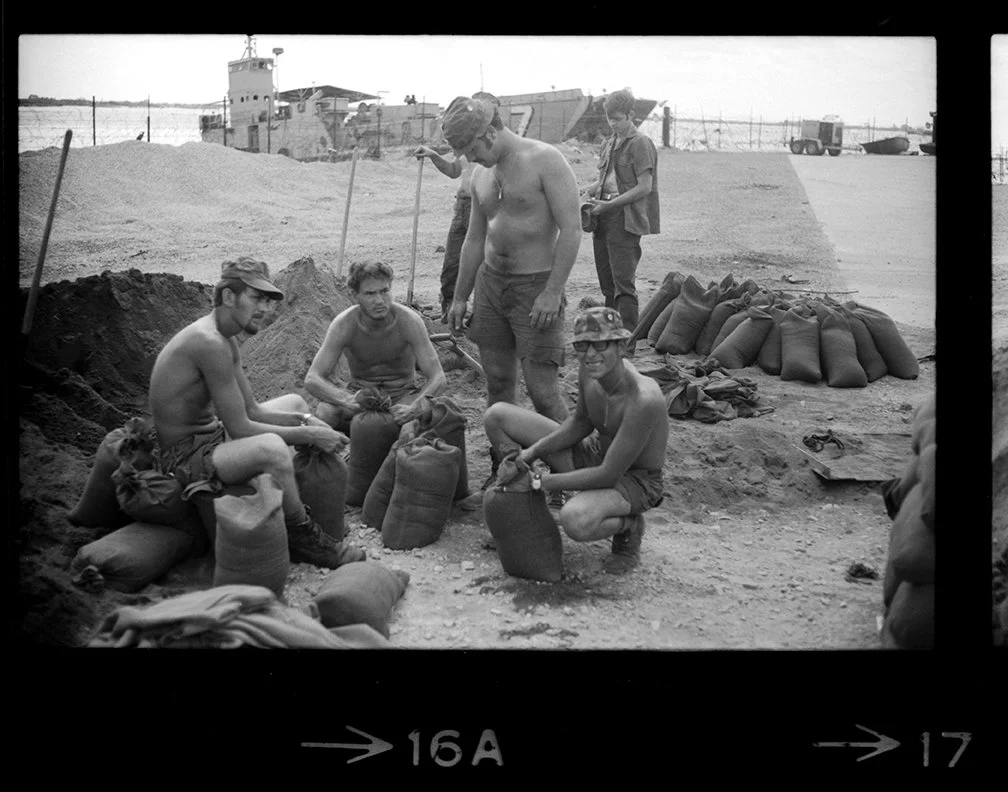
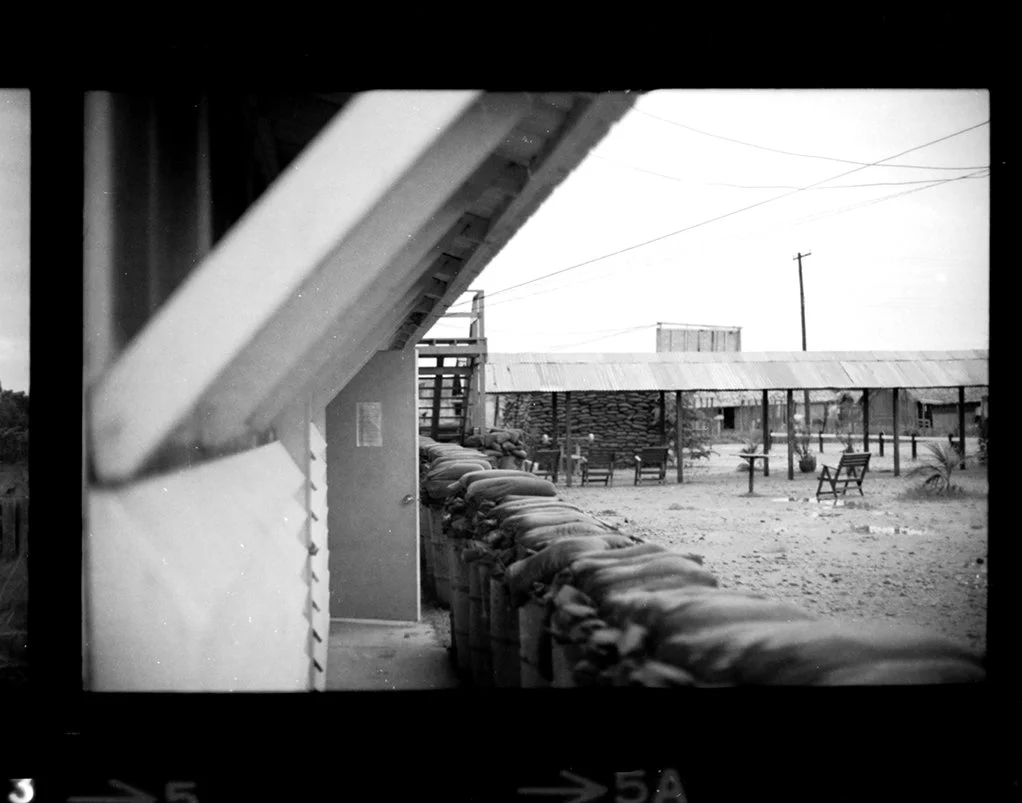
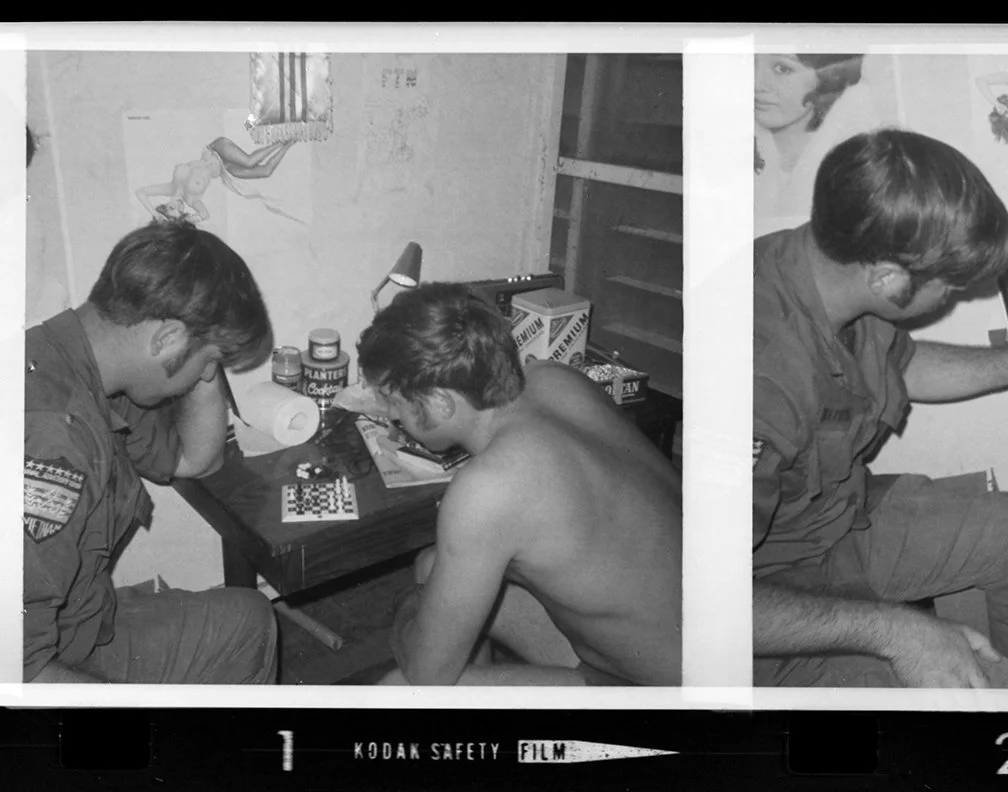
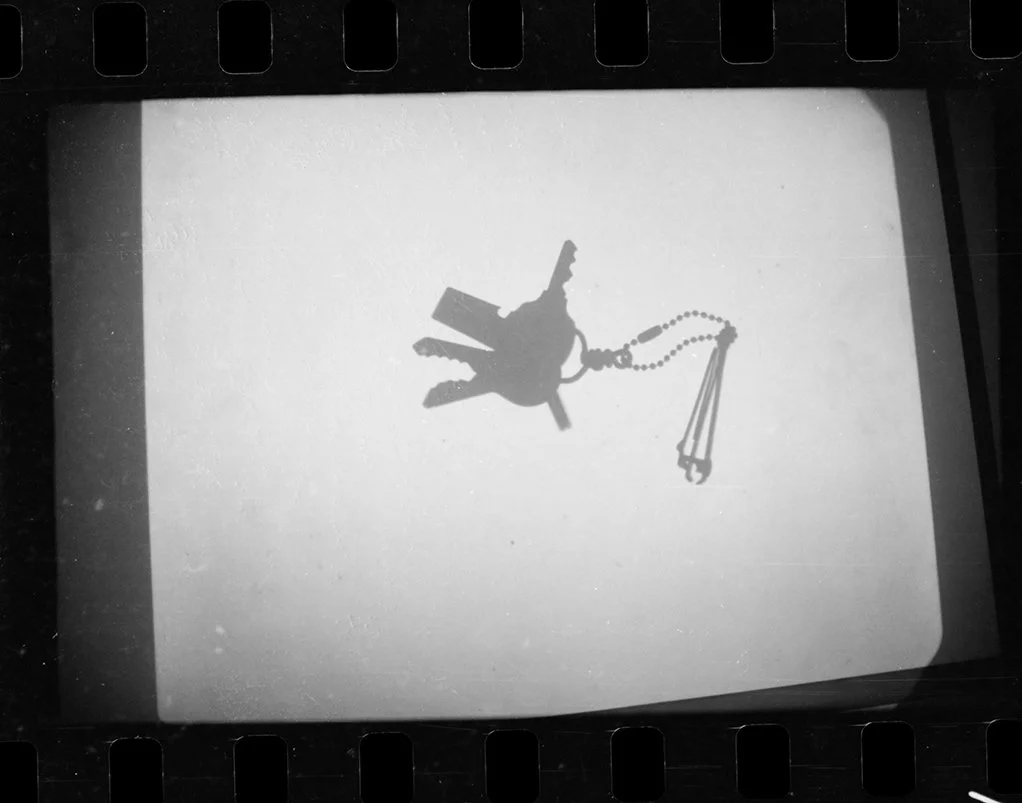
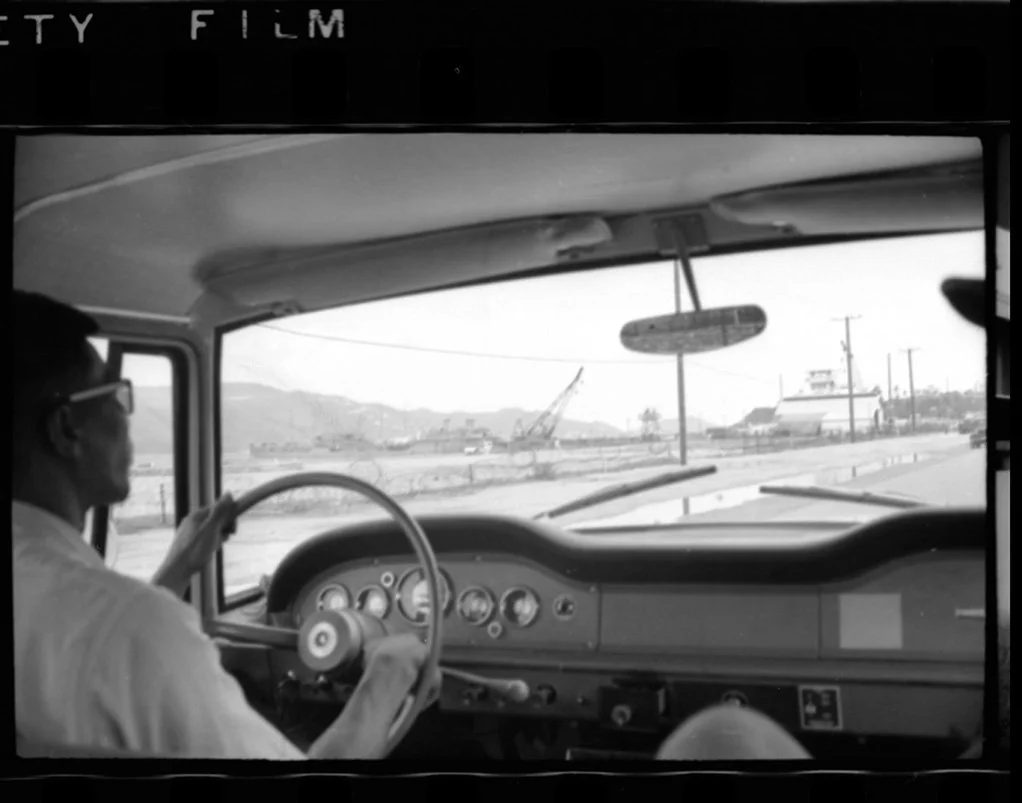
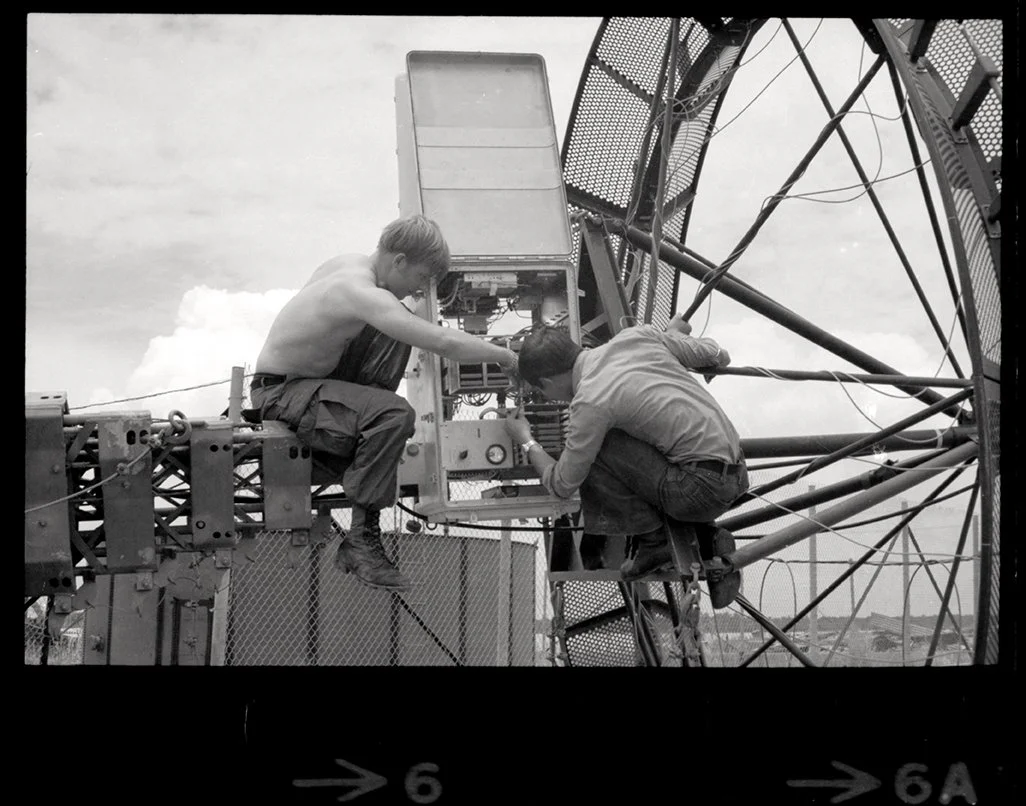
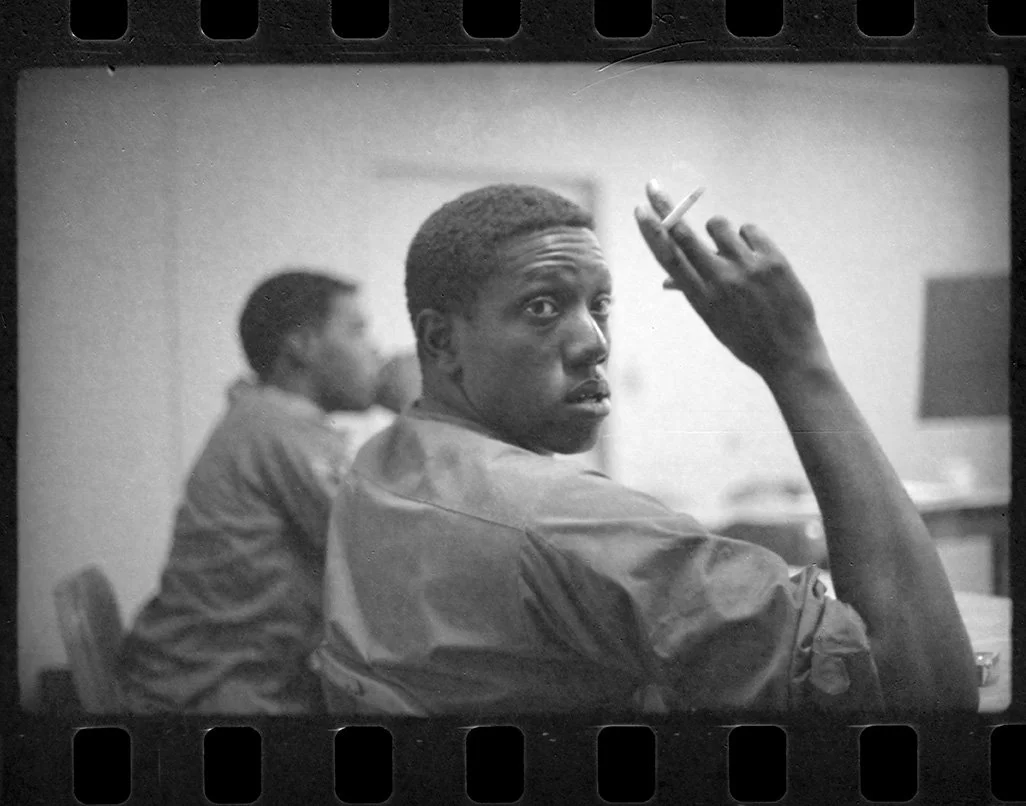
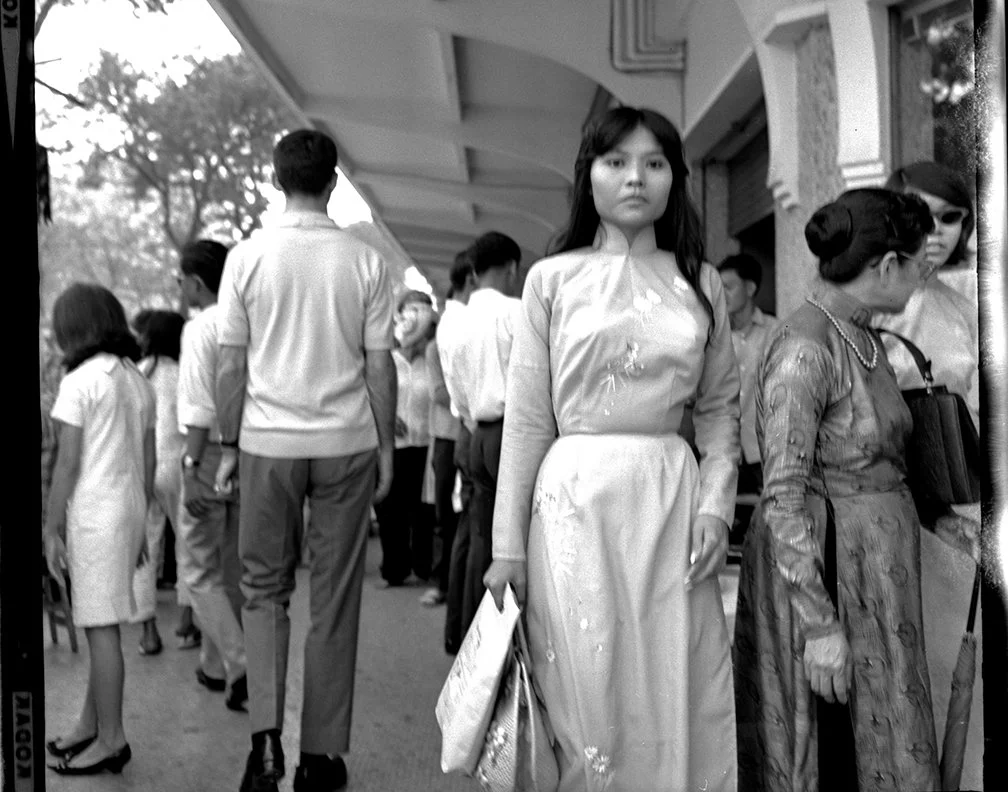
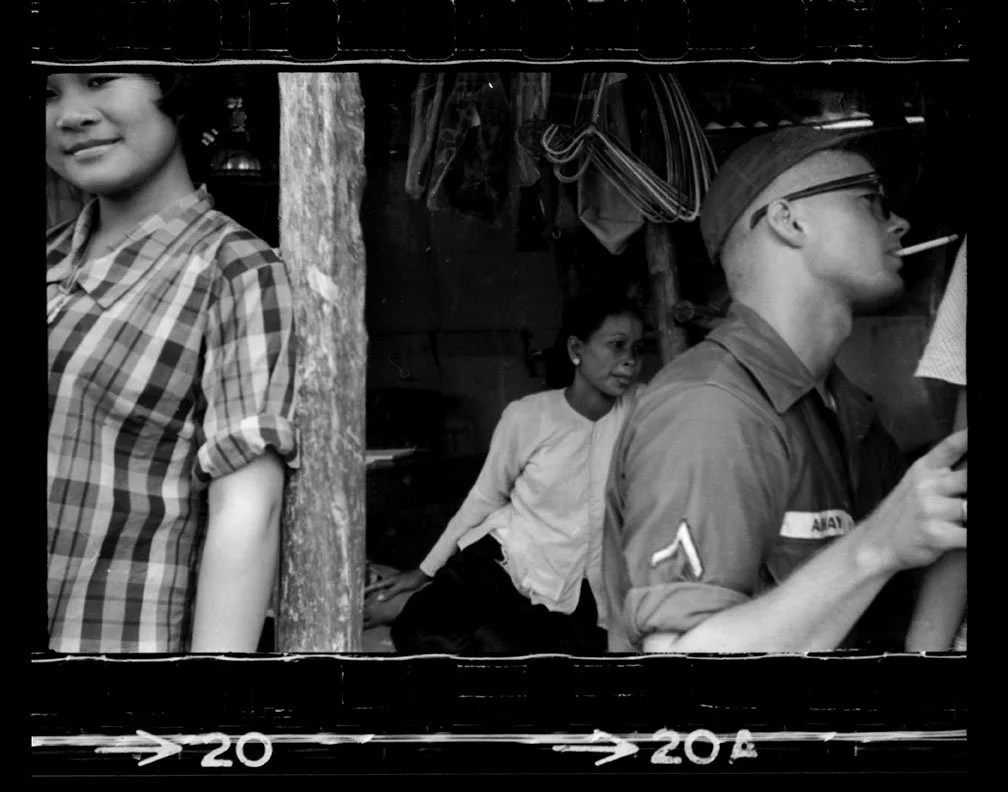
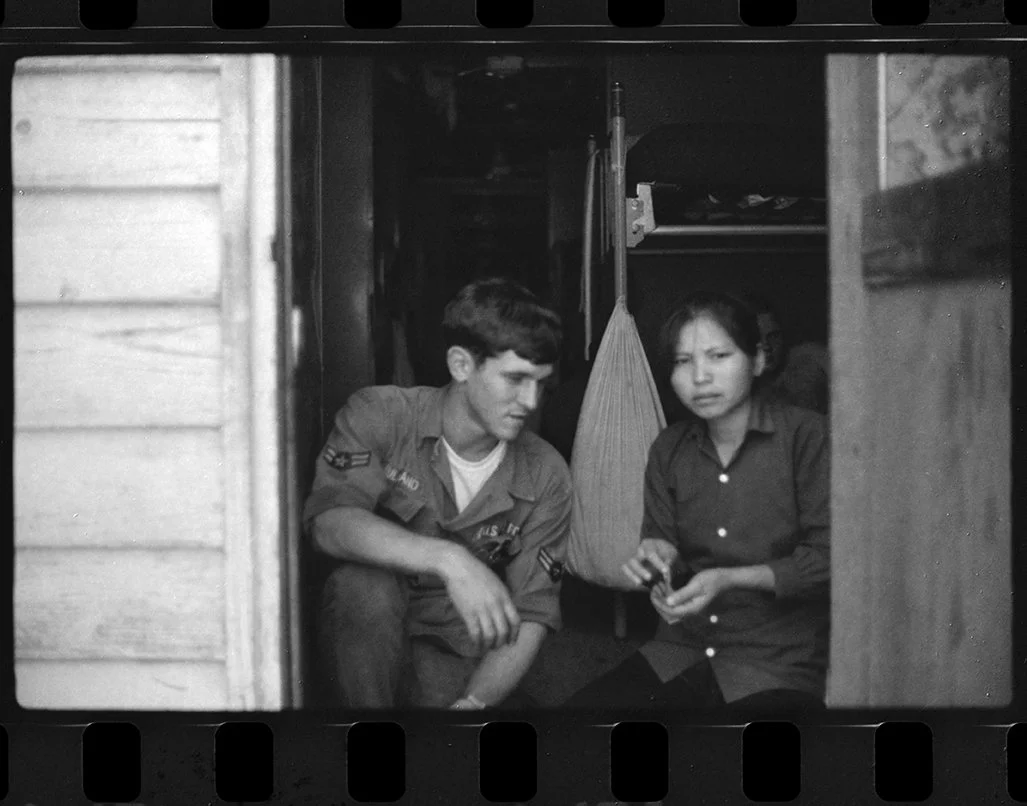
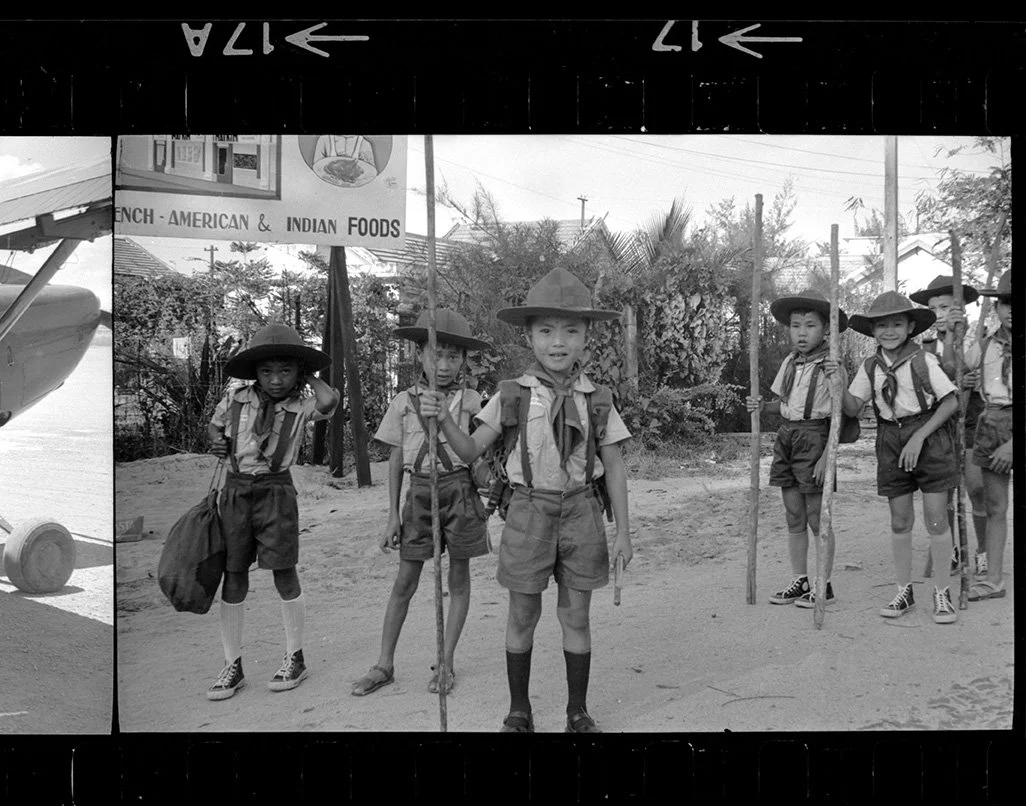
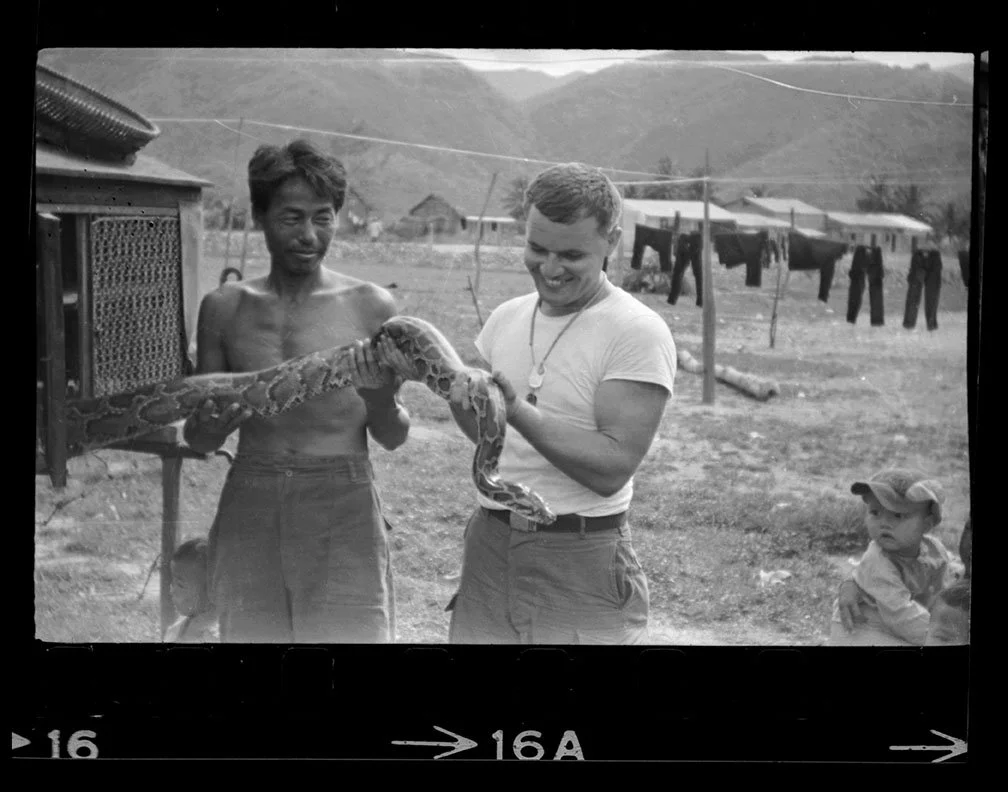
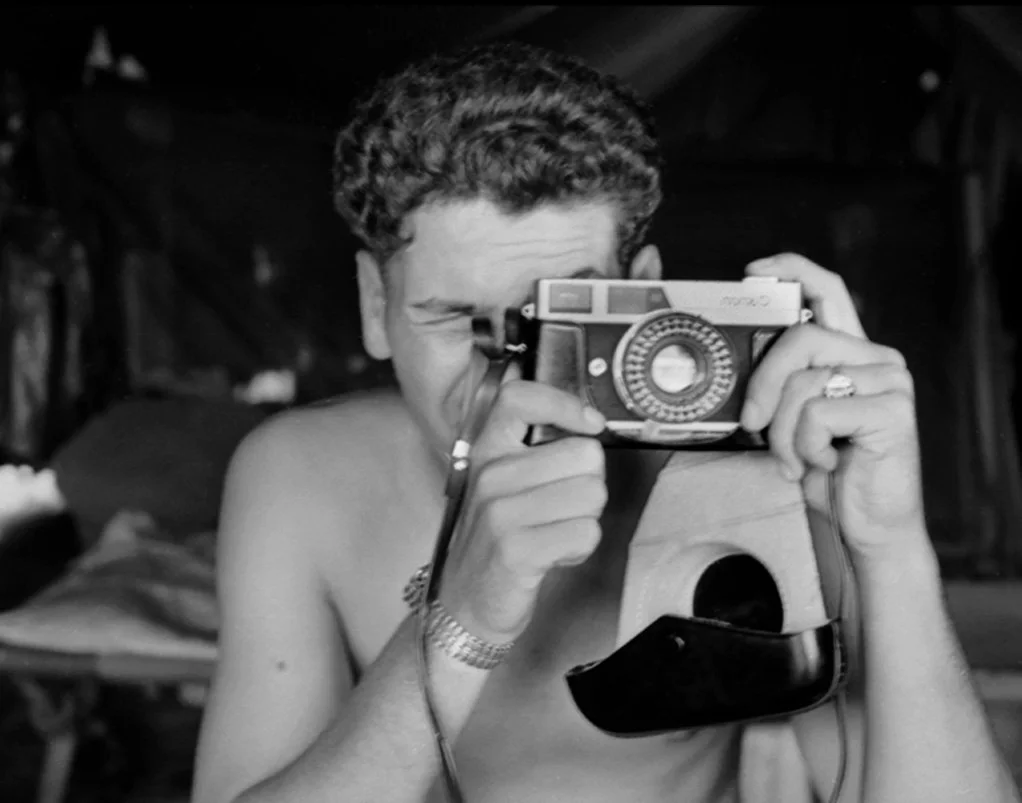
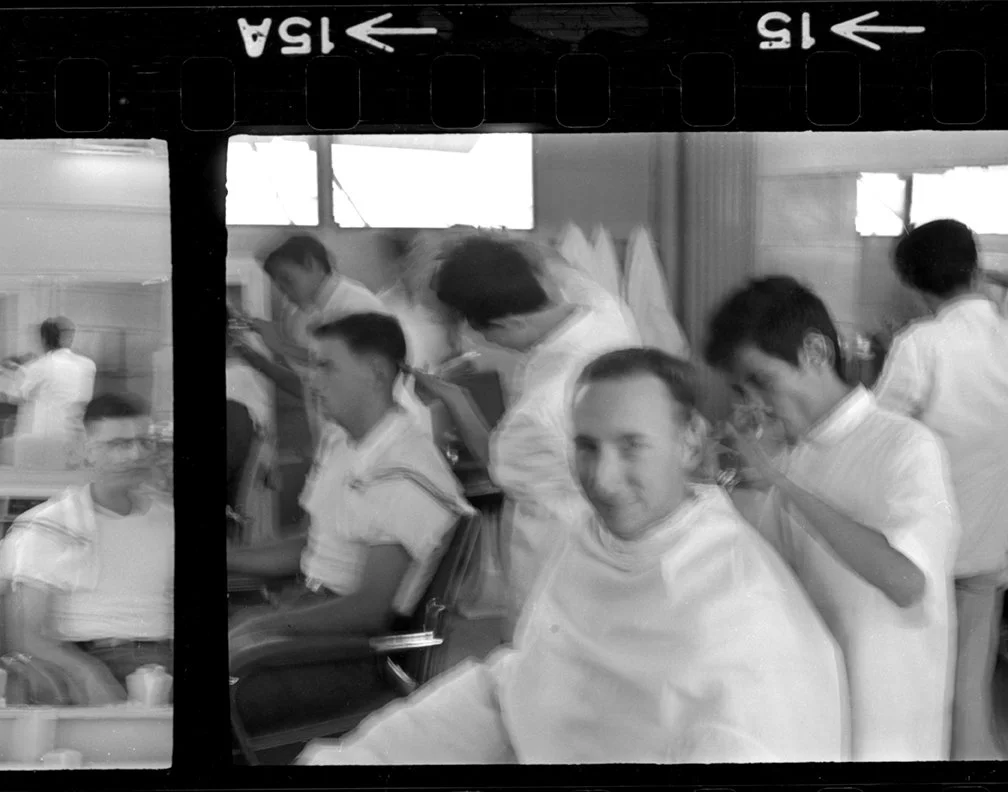
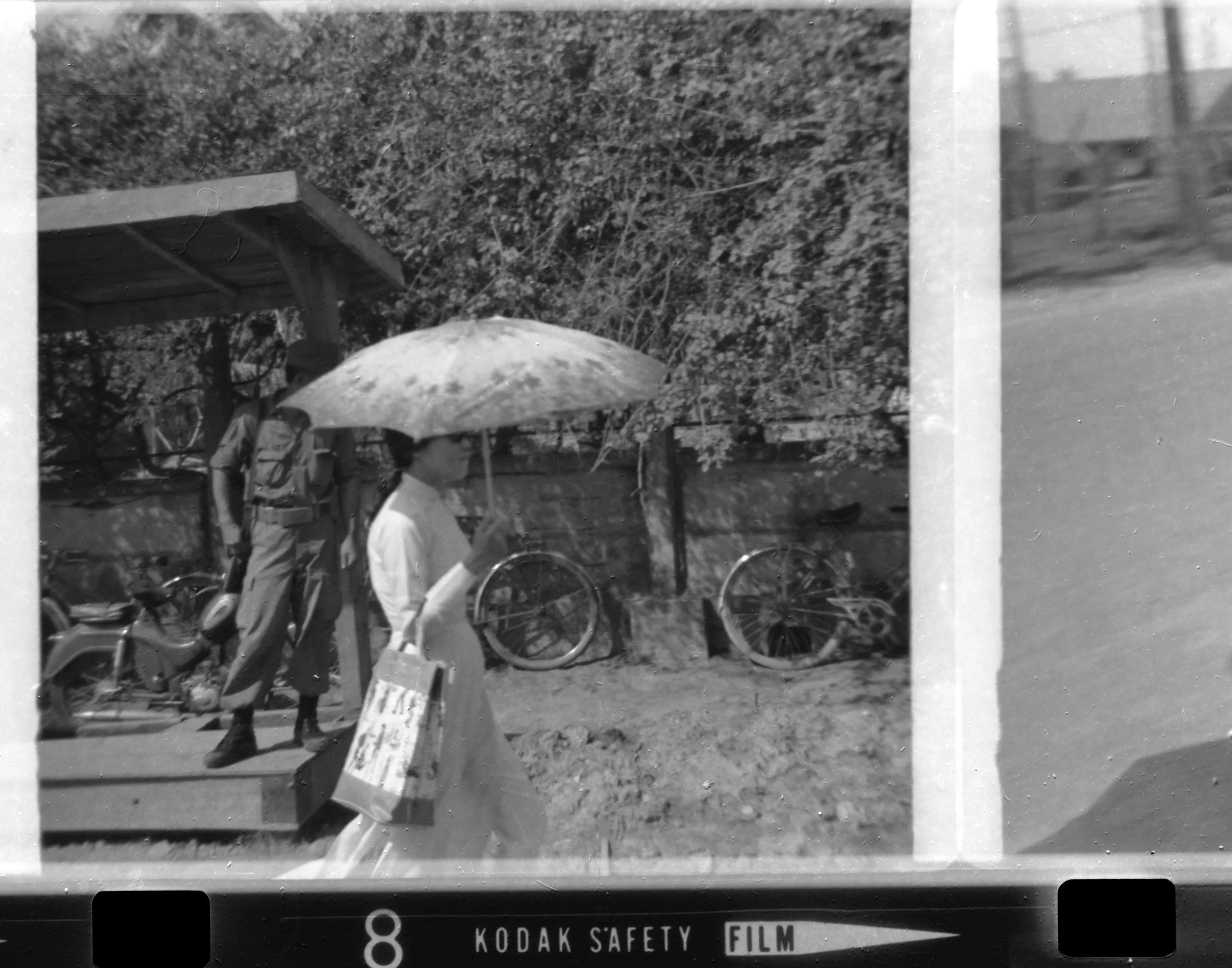
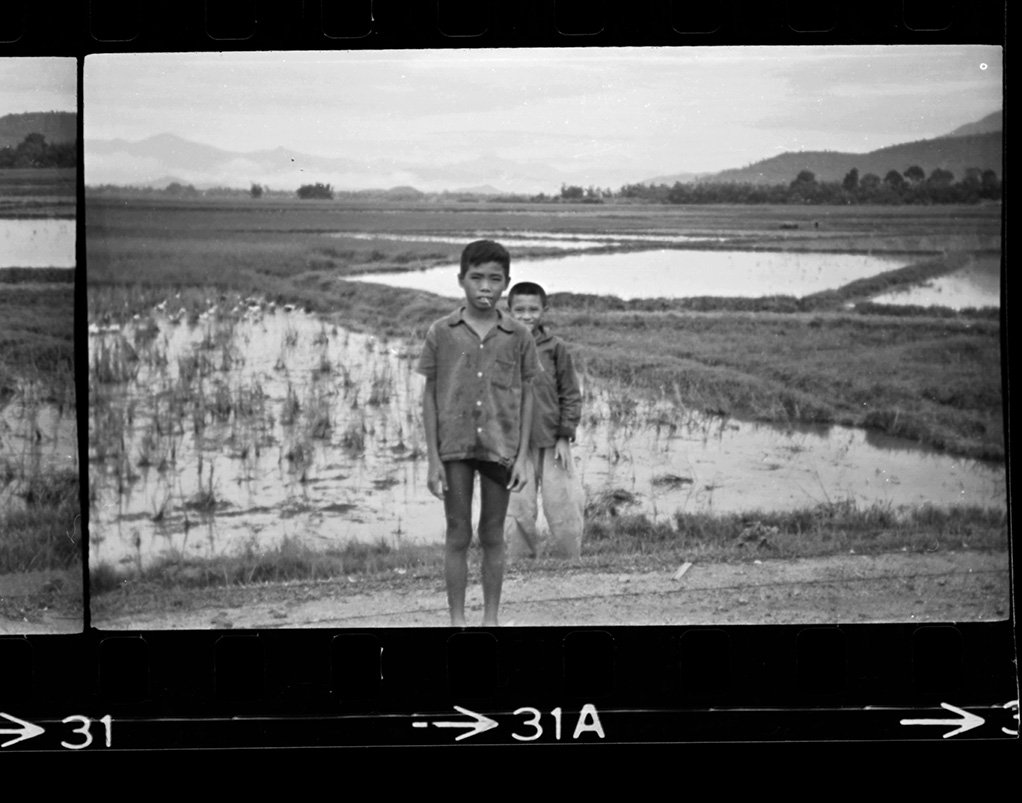
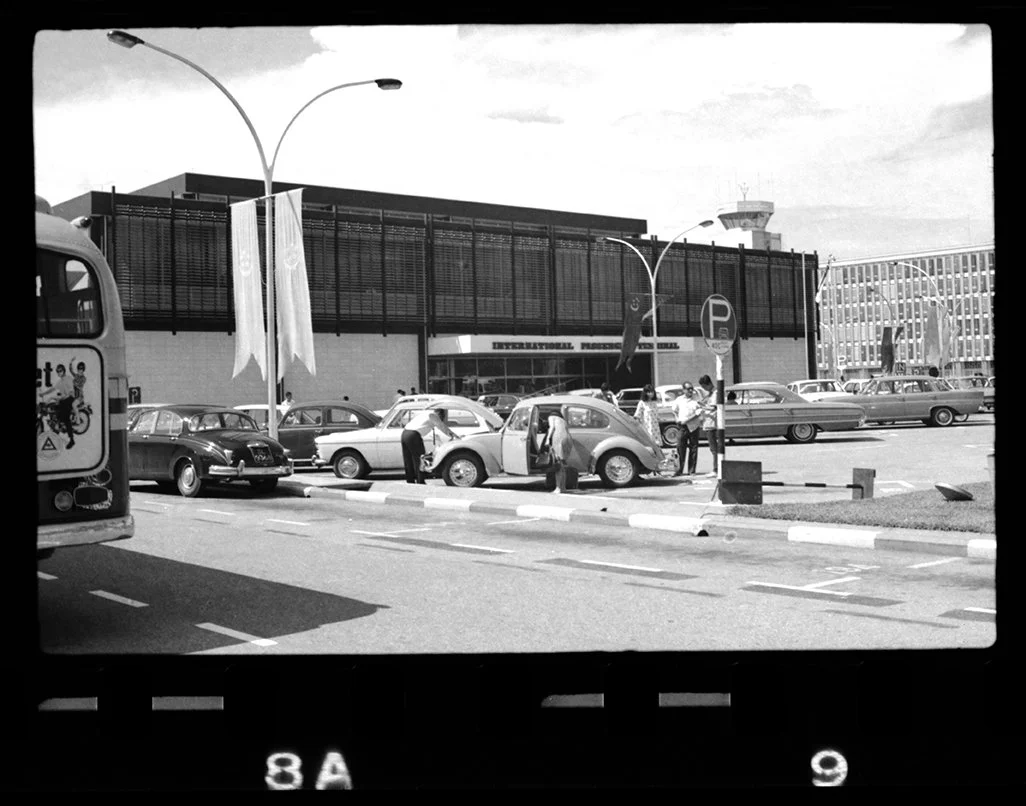
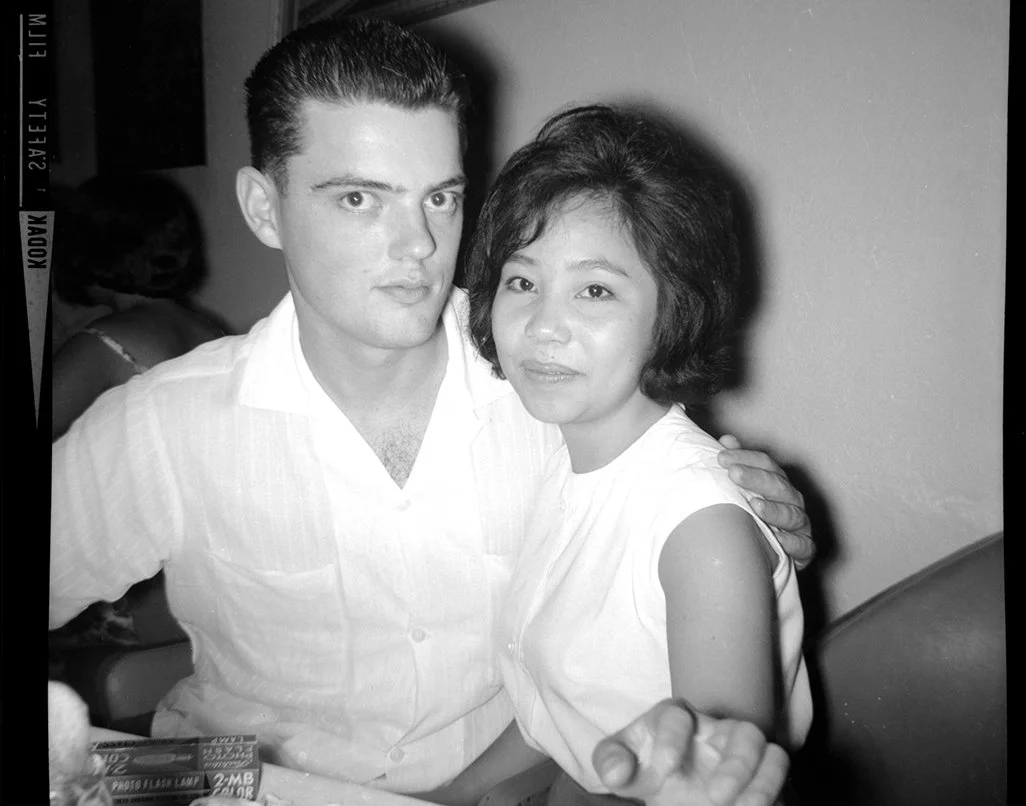
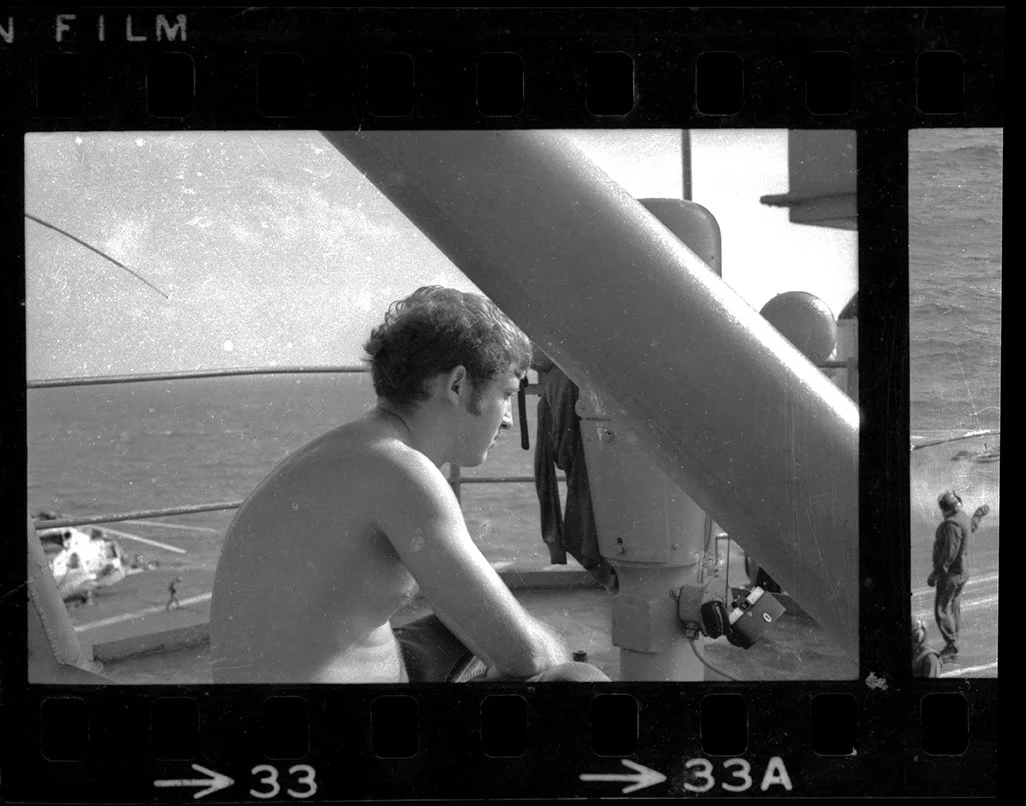
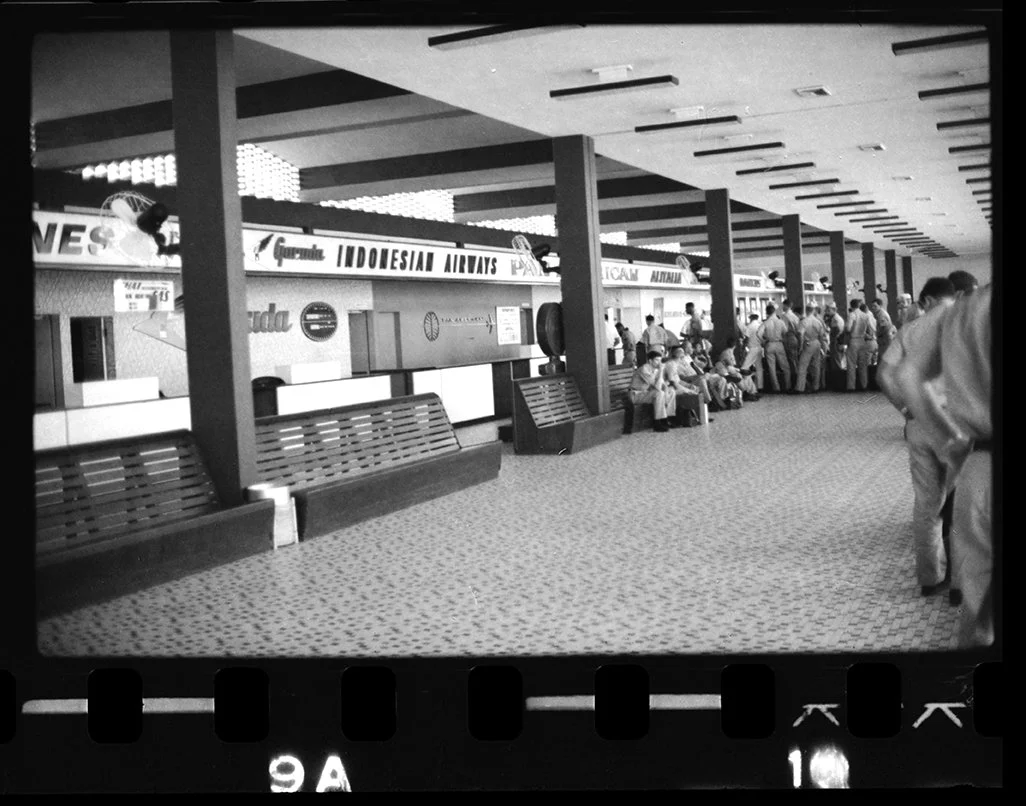
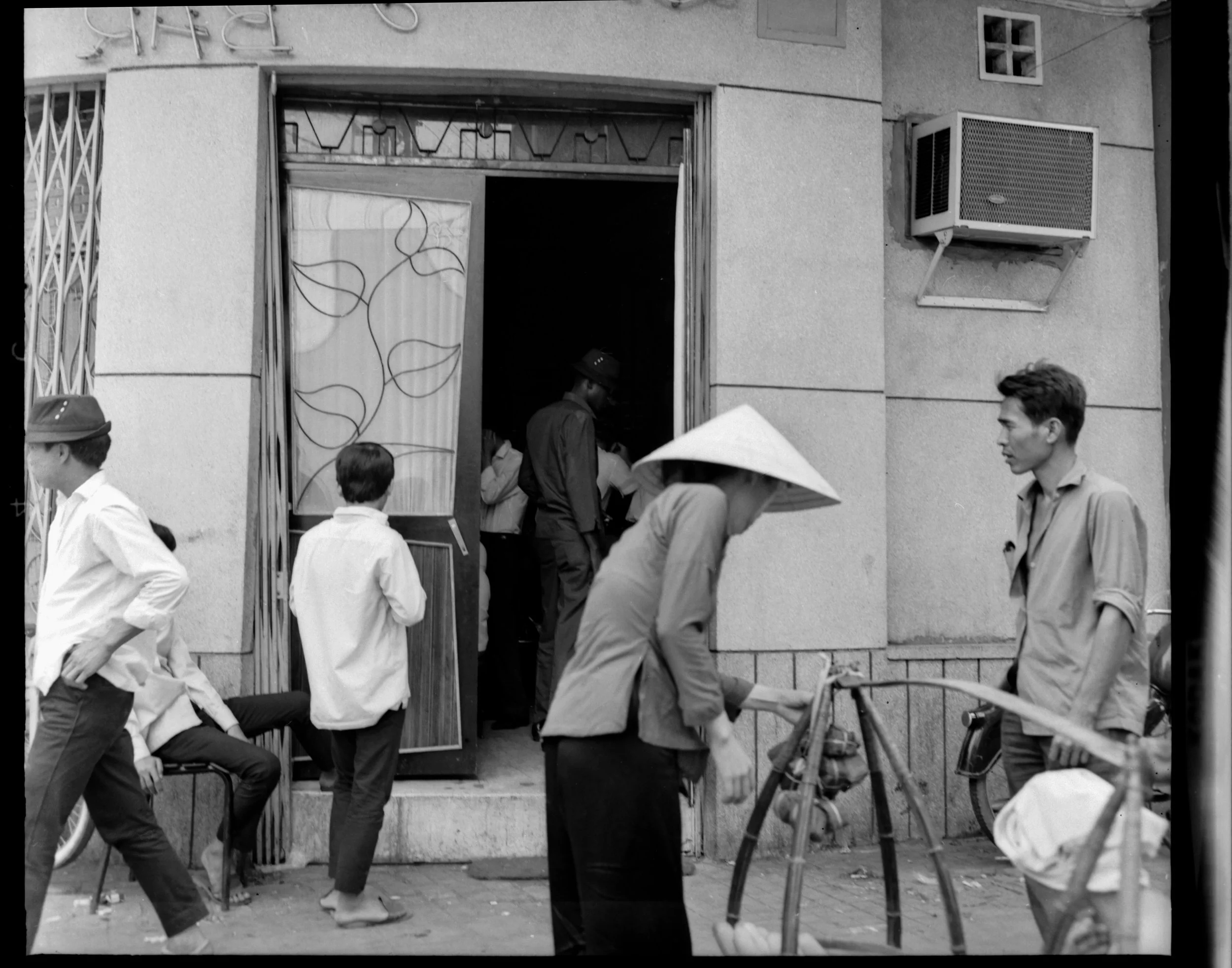
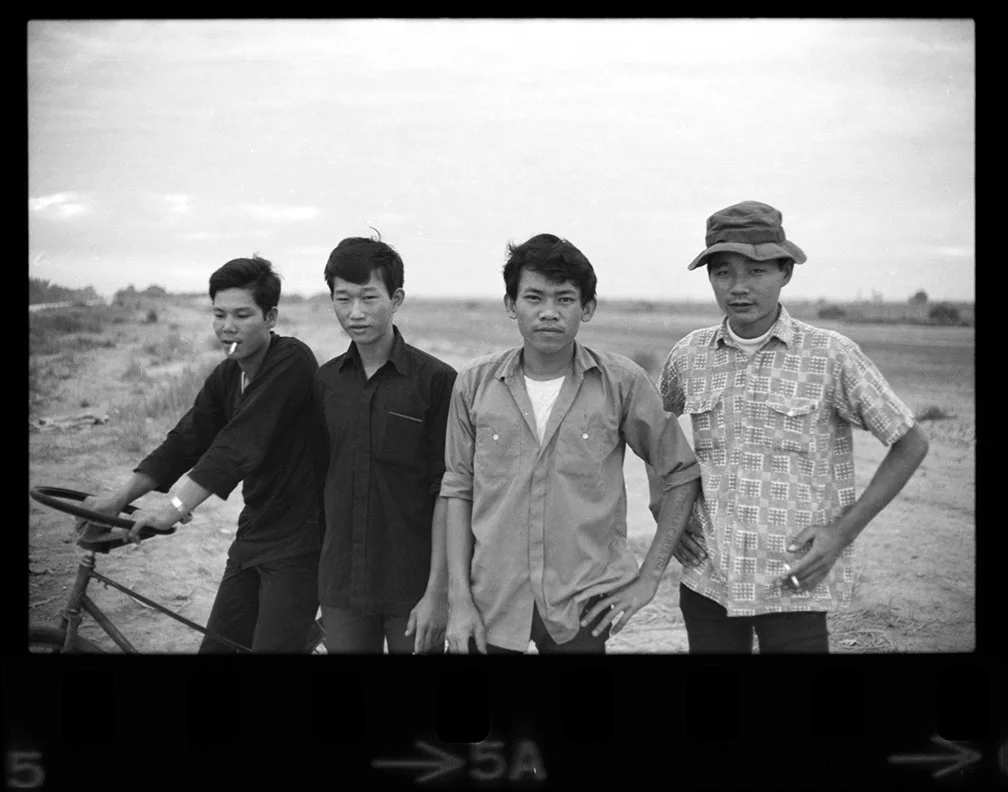
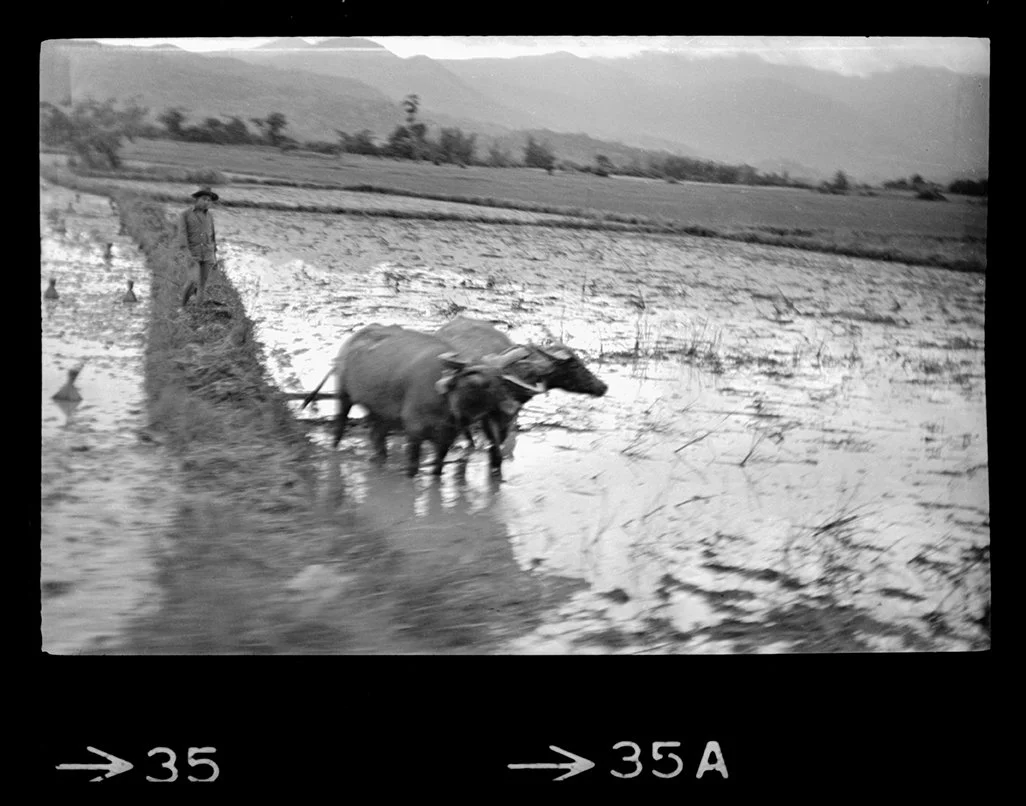
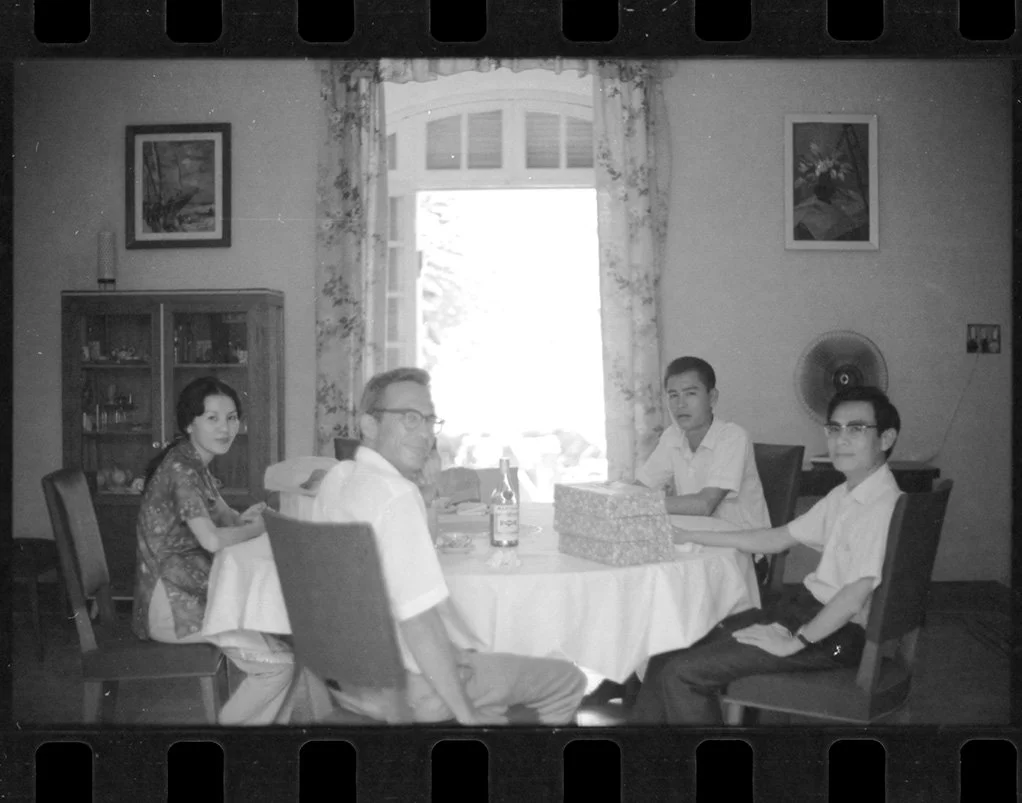
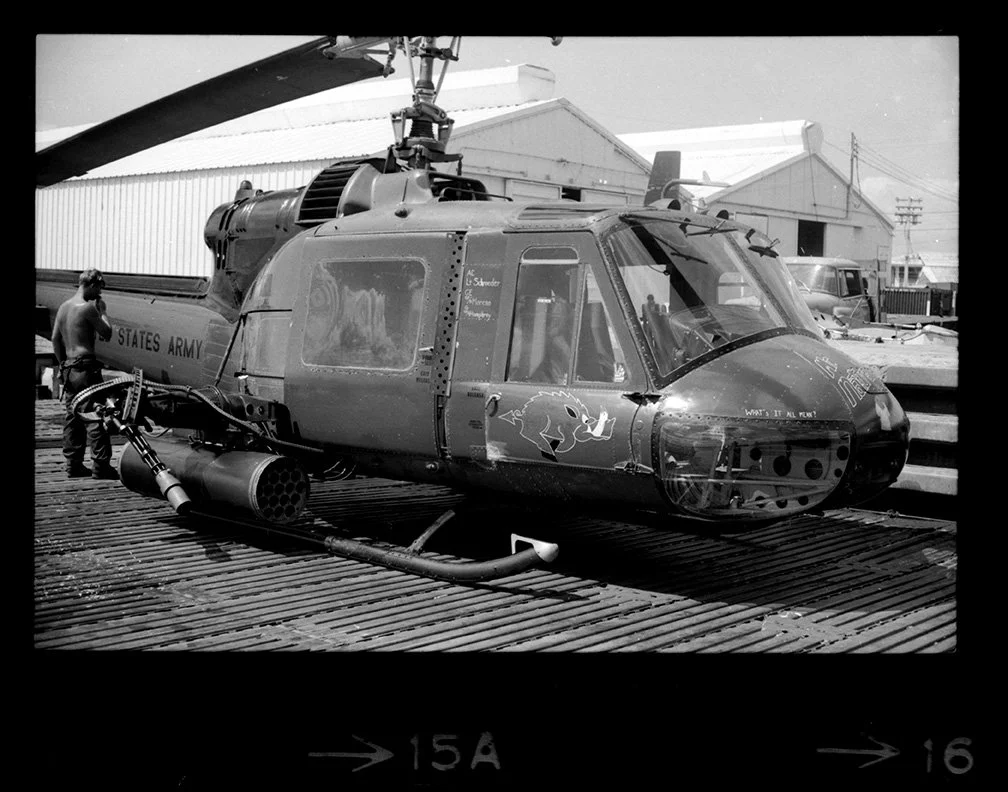
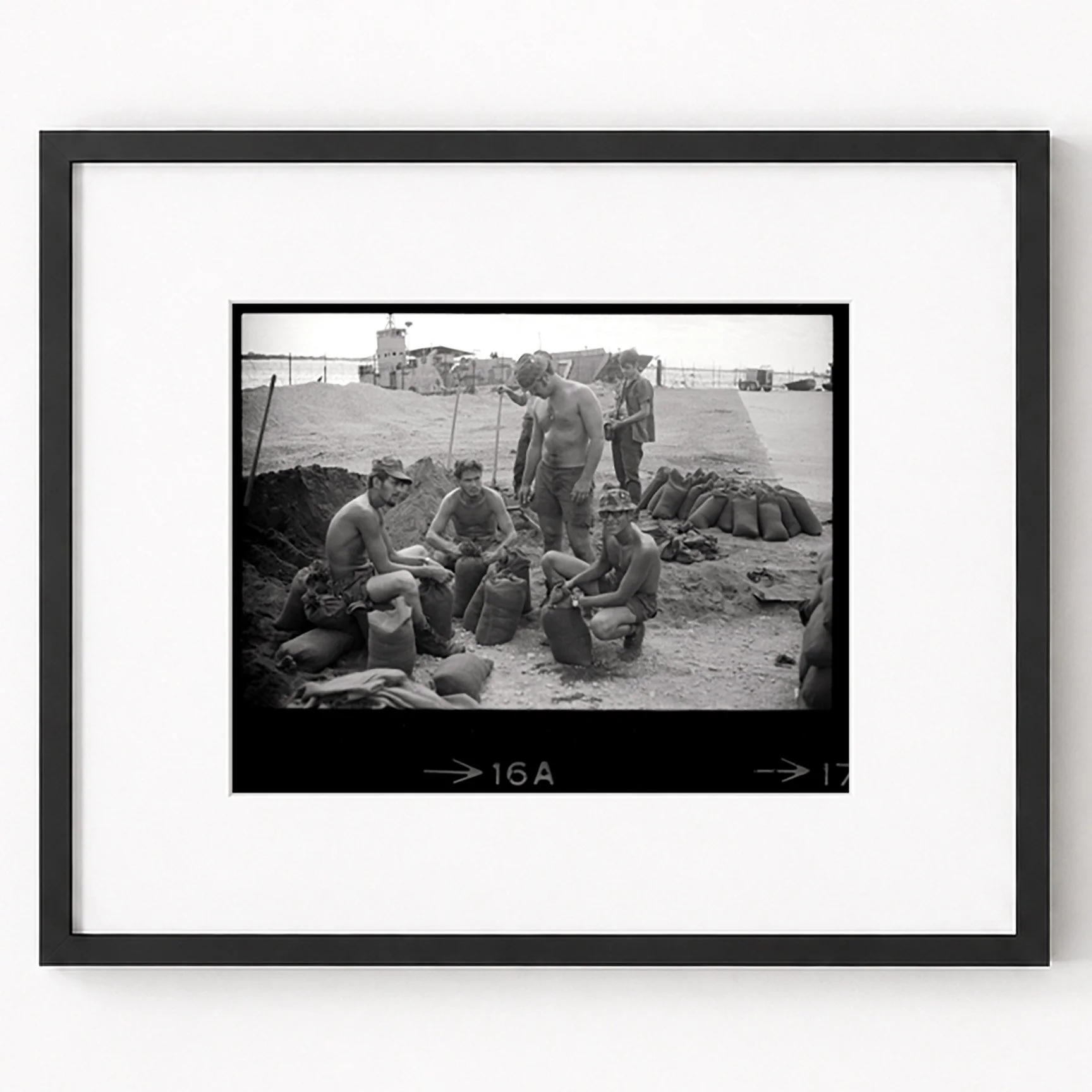
From a broader archive of rediscovered photographs, 19 photographs will be selected for the exhibition’s central section— one for each year of the Vietnam War. Made by U.S. servicemen, these vernacular images survived as forgotten negatives and are being brought into print more than half a century after they were made.
Use ← →
to navigate slideS BELOW


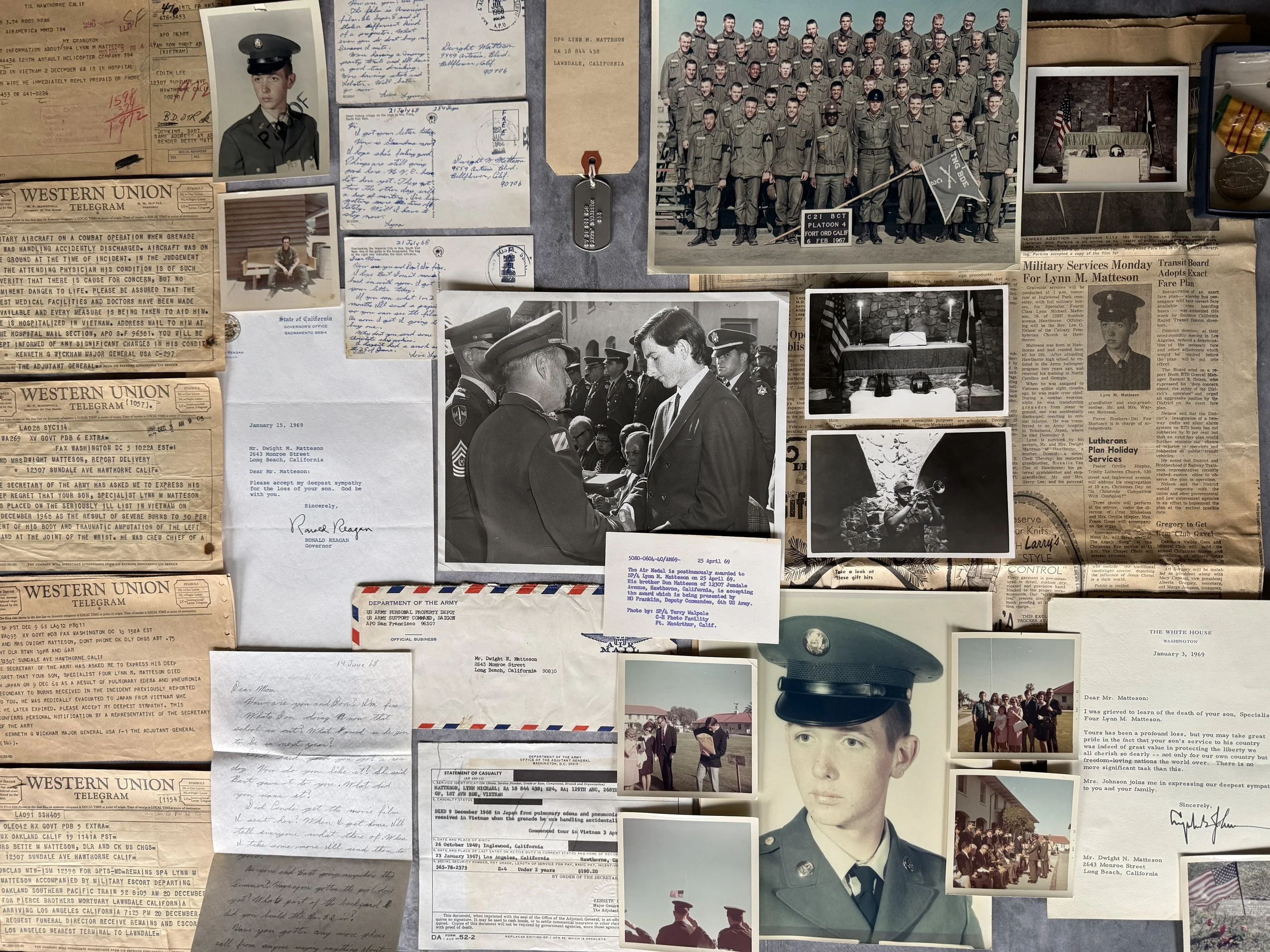
PART III: Lynn Matteson
A life interrupted
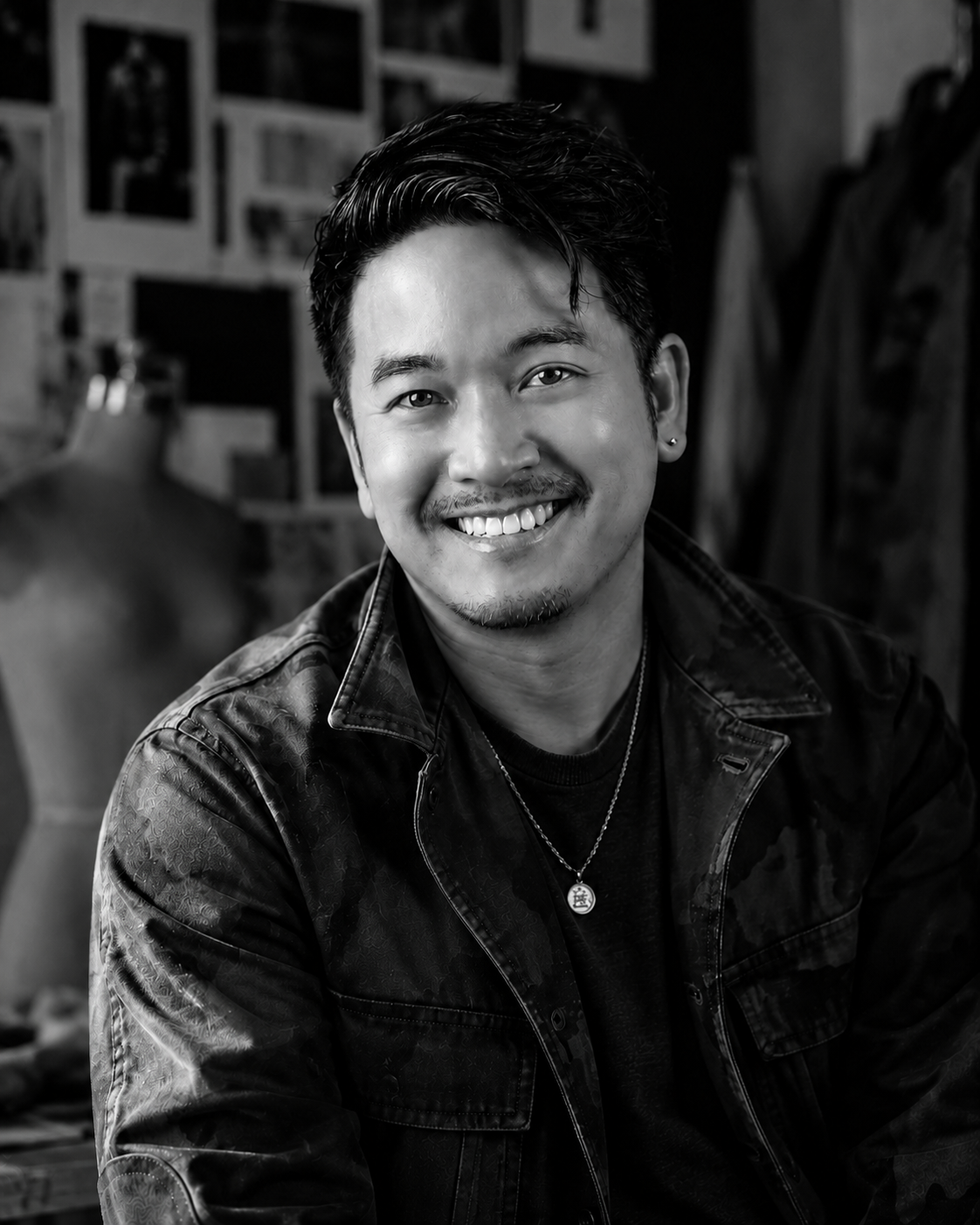
Philippe Trinh
Philippe Trinh is a second-generation Vietnamese American multidisciplinary artist, photographer, and curator based in Kingston, New York. He studied photography, and graphic & fashion design, and has spent more than two decades working across fashion, editorial photography, visual storytelling, and creative direction.
His current practice has returned increasingly to analog photography, traditional photographic processes, and archival material. Through MLTON Studios, his independent photography and curatorial studio in Kingston, Trinh maintains a working darkroom and studio where he prints, researches, and develops projects centered on vernacular photography, recovered archives, and photographic history.
Trinh’s connection to Lost Frames is also personal. His parents fled Vietnam as political refugees following the Vietnam War, and the project brings him into contact with photographs made during the same period his family was living through the conflict. This creates two parallel histories within the work: the Vietnam recorded by American servicemen through their personal cameras, and the Vietnam experienced by his family from within it.
That intersection between personal history and recovered photographic history informs his approach to Lost Frames—not as an attempt to reconstruct a complete past, but as a way of examining what survives when photographs remain after the people, names, and stories surrounding them have disappeared.
Presentation & materials
Each photograph is printed and presented using archival, exhibition-grade materials selected for long-term preservation and presentation quality.
Print — Archival pigment print on photographic paper
Glazing — Light Impressions Acrylite OP-3 AE
Frame — Light Impressions American Hardwood Frame 310, 16 × 20 in., black maple
Mat — Crescent Mat Board 072811
TECHNICAL DEVELOPMENT
Center for Photography at Woodstock (CPW)
Special thanks to CPW and Alicia Schirrmeister for their technical guidance in refining the black-and-white editing and exhibition printing process for Lost Frames.
GALLERY INFORMATION
For exhibition availability, print inquiries, and additional information, please contact MLTON Studios.