lost frames
Rediscovered vernacular photographs from the Vietnam War.
A photographic exhibition in progress, built from rediscovered vernacular photographs made by U.S. servicemen during the Vietnam War.
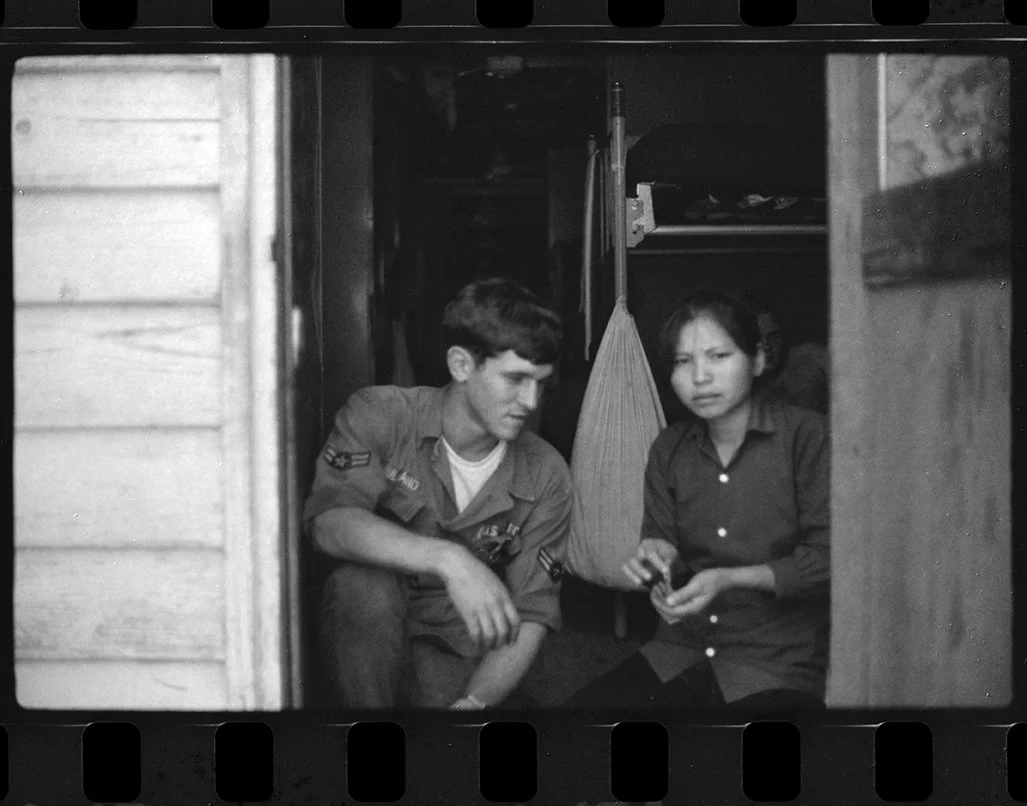
Lost Frames brings these photographs back into view after decades of absence. Separated from their original owners, albums, and much of their context, they reveal a more intimate side of war through ordinary moments of friendship, routine, and human connection.
Curated by Vietnamese American artist Philippe Trinh, the project became a way to explore the Vietnam his parents left behind during the same period these photographs were made. Through research, restoration, editing, sequencing, and exhibition printing, the archive becomes both a historical record and a personal search for connection to a place he inherited through memory rather than experience.
At its heart, Lost Frames explores belonging: to a place, a community, a history, or a home that may no longer exist as we remember it. The exhibition asks what happens when photographs survive after the people, names, and stories surrounding them have disappeared, and whether these fragments can offer a sense of connection to what has been lost.
Life magazine wall-
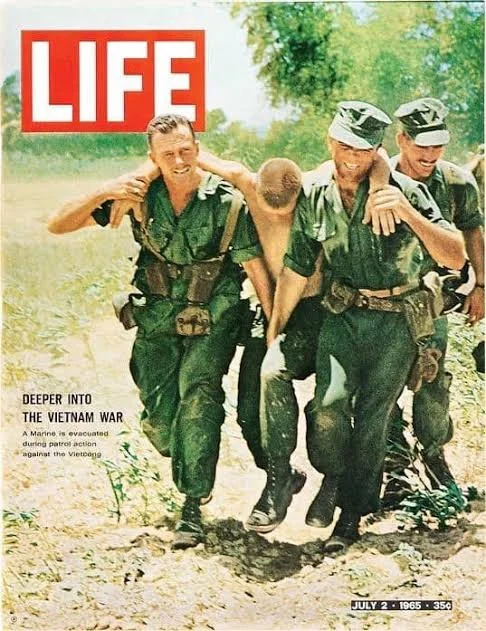
War As It Was Lived In Vietnam
A collection of vintage LIFE magazine covers examines how the Vietnam War was portrayed to the American public. Through headlines and iconic imagery, this installation explores the narratives that shaped public perception, revealing the distance between the war as it was reported and the lives unfolding beyond those headlines.
Photographic Exhibition-
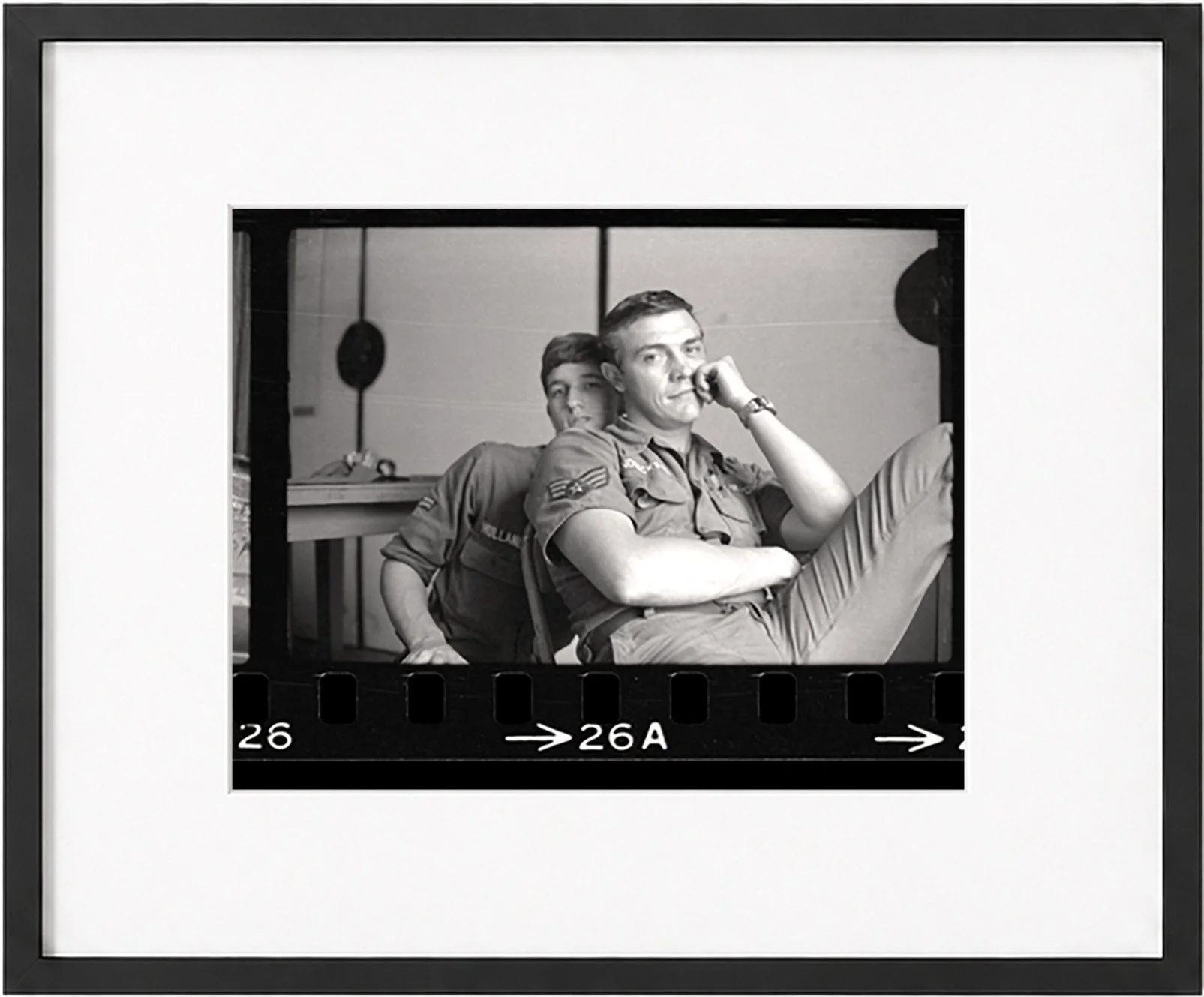
War As It Was Lived In Vietnam
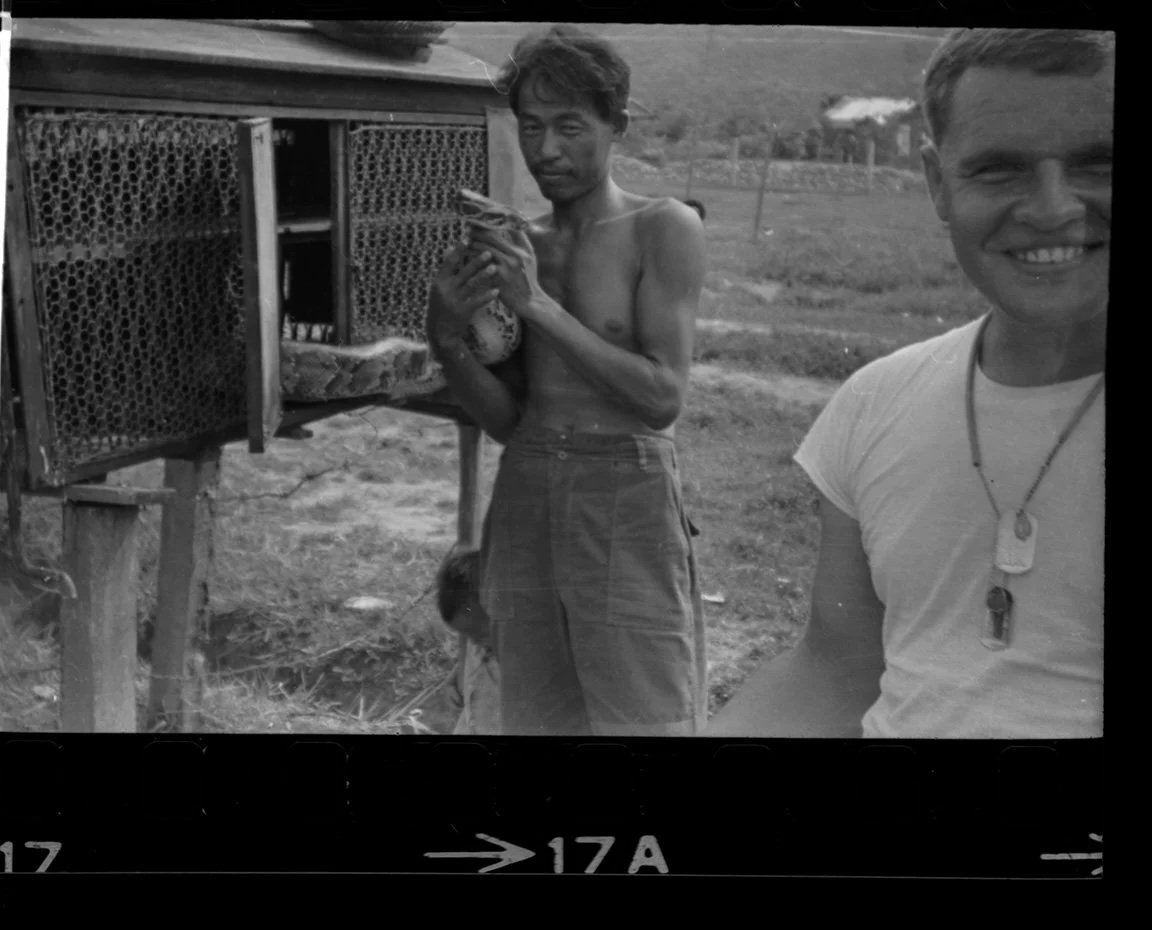
Nineteen photographs, recovered from original negatives made by American servicemen, reveal quieter moments of life during the Vietnam War. Sequenced through emotion rather than chronology, the images trace experiences of arrival, friendship, uncertainty, and departure, exploring how people find connection and belonging far from home.
Lynn Matteson-
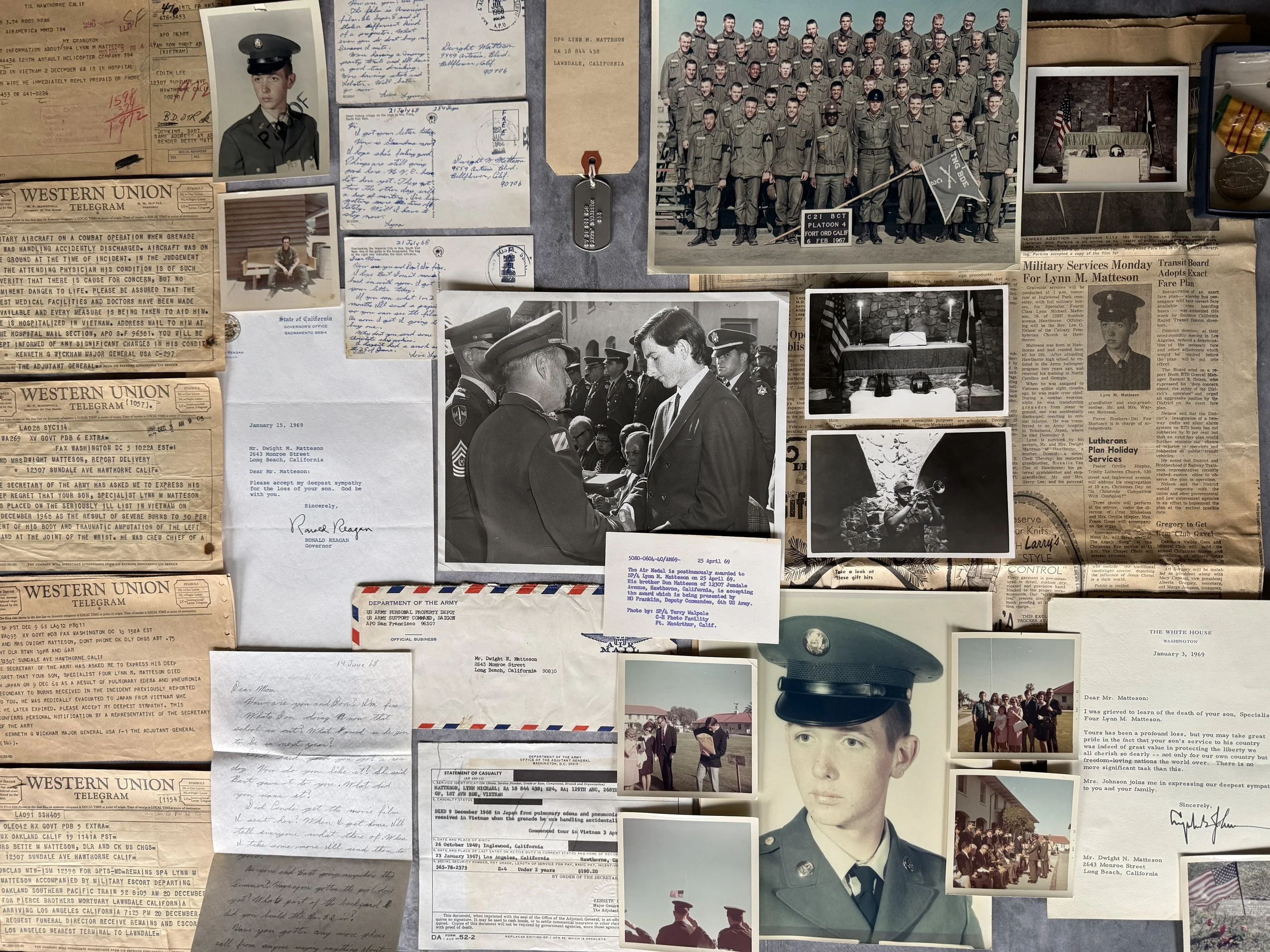
The Human Consequence
Through personal letters, photographs, military records, and wartime memorabilia, the story of Lynn Matteson reveals the deeply personal consequences of war. Presented as an archival collage, these surviving fragments explore the lives behind the conflict, the families left behind, and the memories carried across generations.
-
Philippe Trinh’s work explores photography as both document and memory, with a particular interest in vernacular images, recovered archives, and what survives after the people and stories surrounding photographs have disappeared.
Lost Frames is an ongoing archival documentary project built from rediscovered negatives made by U.S. servicemen during the Vietnam War. Through research, restoration, editing, sequencing, and exhibition printing, Trinh brings these images back into view and constructs a new visual narrative from what remains.
Rather than focusing on combat, the project looks toward quieter spaces surrounding war: waiting, travel, friendship, routine, city life, intimacy, and ordinary moments of human connection.
-
The photographs have become separated from their original owners, families, albums, and, in many cases, the names, dates, and stories that once gave them context.
For the exhibition, Trinh selected 19 photographs to reflect the roughly 19-year span of the Vietnam War, creating an emotional rather than chronological timeline.
The sequence is shaped through decisions about what is included, how images are paired, what context is revealed, and what is deliberately left unresolved.
At the center of the project is a question: what happens to private photographs when the people, names, dates, and original context disappear, but the images survive?
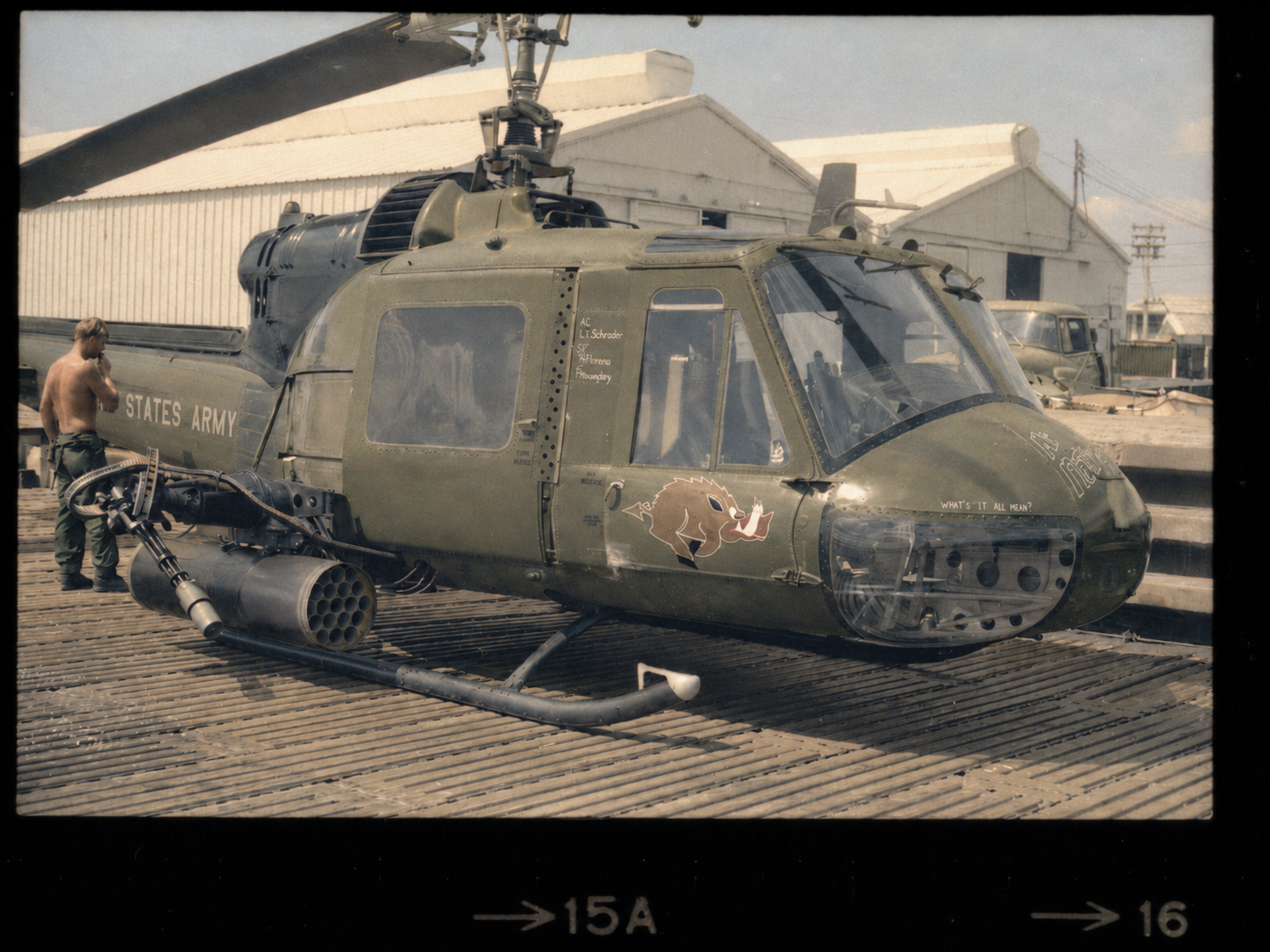
A question scratched into a helicopter by an unknown soldier — “What’s it all mean?” — became a recurring thread throughout the project.
-
Philippe Trinh is a second-generation Vietnamese American multidisciplinary artist, photographer, and curator based in Kingston, New York. He studied photography, graphic design, and fashion design, and has spent more than two decades working across fashion, editorial photography, visual storytelling, and creative direction.
His current practice has returned increasingly to analog photography, traditional photographic processes, and archival material. Through MLTON Studios, his independent photography and curatorial studio in Kingston, Trinh maintains a working darkroom and studio where he prints, researches, and develops projects centered on vernacular photography, recovered archives, and photographic history.
Trinh’s connection to Lost Frames is also personal. His parents fled Vietnam as political refugees following the Vietnam War, and the project brings him into contact with photographs made during the same period his family was living through the conflict. This creates two parallel histories within the work: the Vietnam recorded by American servicemen through their personal cameras, and the Vietnam experienced by his family from within it.
That intersection between personal history and recovered photographic history informs his approach to Lost Frames—not as an attempt to reconstruct a complete past, but as a way of examining what survives when photographs remain after the people, names, and stories surrounding them have disappeared.
These photographs originate from lawfully acquired, recovered Vietnam War-era negatives and are presented as part of an ongoing historical, archival, educational, and curatorial project. Milt Studios does not claim ownership of any underlying copyright that may remain with an unidentified photographer or rights holder. The exhibition is presented with consideration of 17 U.S.C. §109(c) and fair use under 17 U.S.C. §107.
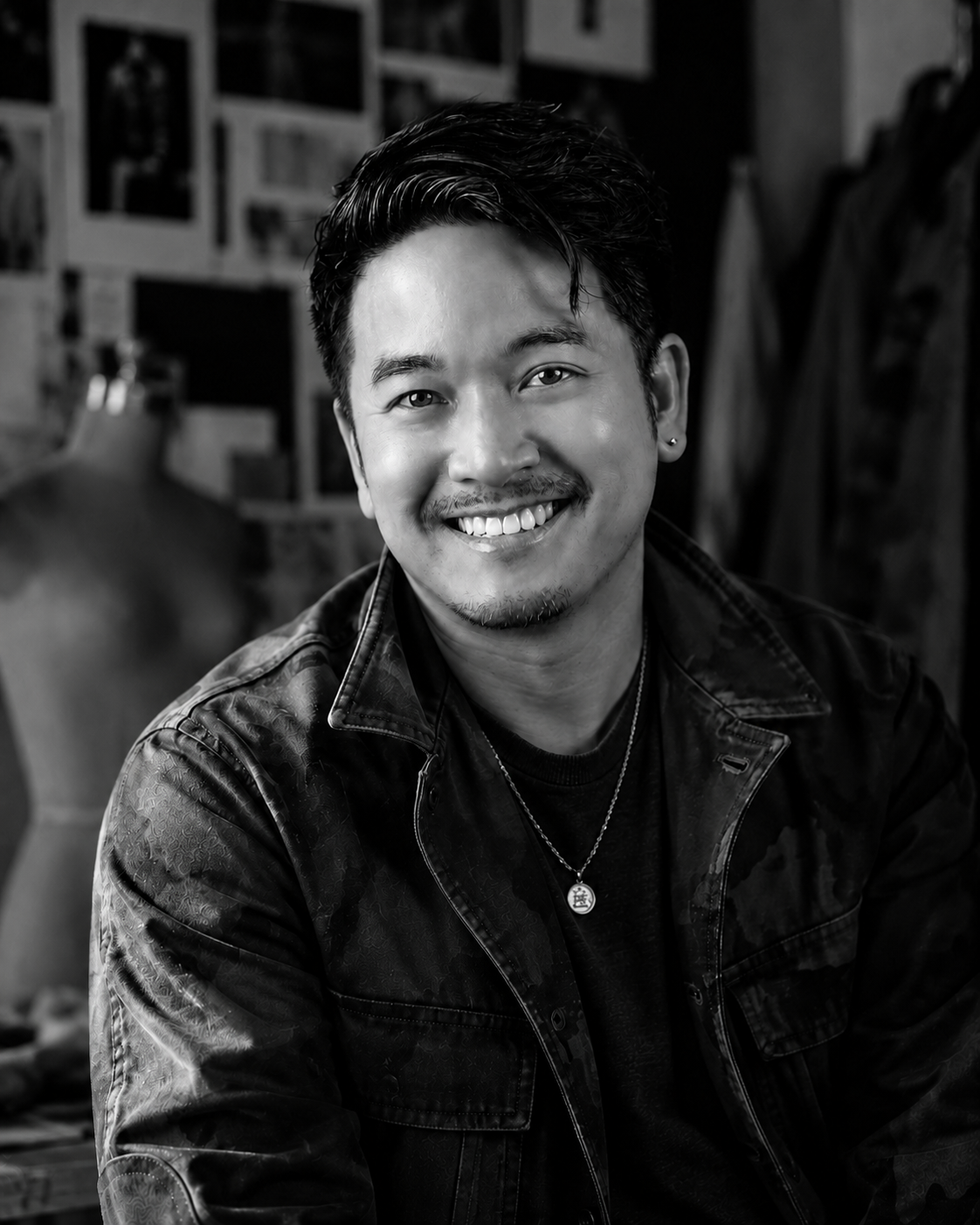
Philippe Trinh
Philippe Trinh is a second-generation Vietnamese American multidisciplinary artist, photographer, and curator based in Kingston, New York. He studied photography, and graphic & fashion design, and has spent more than two decades working across fashion, editorial photography, visual storytelling, and creative direction.
His current practice has returned increasingly to analog photography, traditional photographic processes, and archival material. Through MLTON Studios, his independent photography and curatorial studio in Kingston, Trinh maintains a working darkroom and studio where he prints, researches, and develops projects centered on vernacular photography, recovered archives, and photographic history.
Trinh’s connection to Lost Frames is also personal. His parents fled Vietnam as political refugees following the Vietnam War, and the project brings him into contact with photographs made during the same period his family was living through the conflict. This creates two parallel histories within the work: the Vietnam recorded by American servicemen through their personal cameras, and the Vietnam experienced by his family from within it.
That intersection between personal history and recovered photographic history informs his approach to Lost Frames—not as an attempt to reconstruct a complete past, but as a way of examining what survives when photographs remain after the people, names, and stories surrounding them have disappeared.
Archive
The research behind Between Frames.
Between Frames began with photographs and negatives separated from the people who made them.
The archive brings together the material surrounding the images, records and other traces used to understand where the photographs came from and what they contain.
Parallel Frames
Recovered 7-inch reel, approximately 400 feet, color Super 8 film, 1969
Filmed by a U.S. Air Force serviceman stationed at Tan Son Nhut Air Base, this rare amateur reel records fragments of life in and around Saigon during the Vietnam War.
The footage moves between crowded streets, regional flights, helicopters, crew gatherings, and moments of rest. It also documents civic work surrounding the construction and dedication of the Dieu Quang orphanage in 1969.
Seen decades later, these scenes carry a different weight. Everyday life continues around the machinery of conflict, while soldiers and civilians briefly occupy the same frame, each moving through the war with different understandings of why it was happening and what it would ultimately cost.
-
![]()
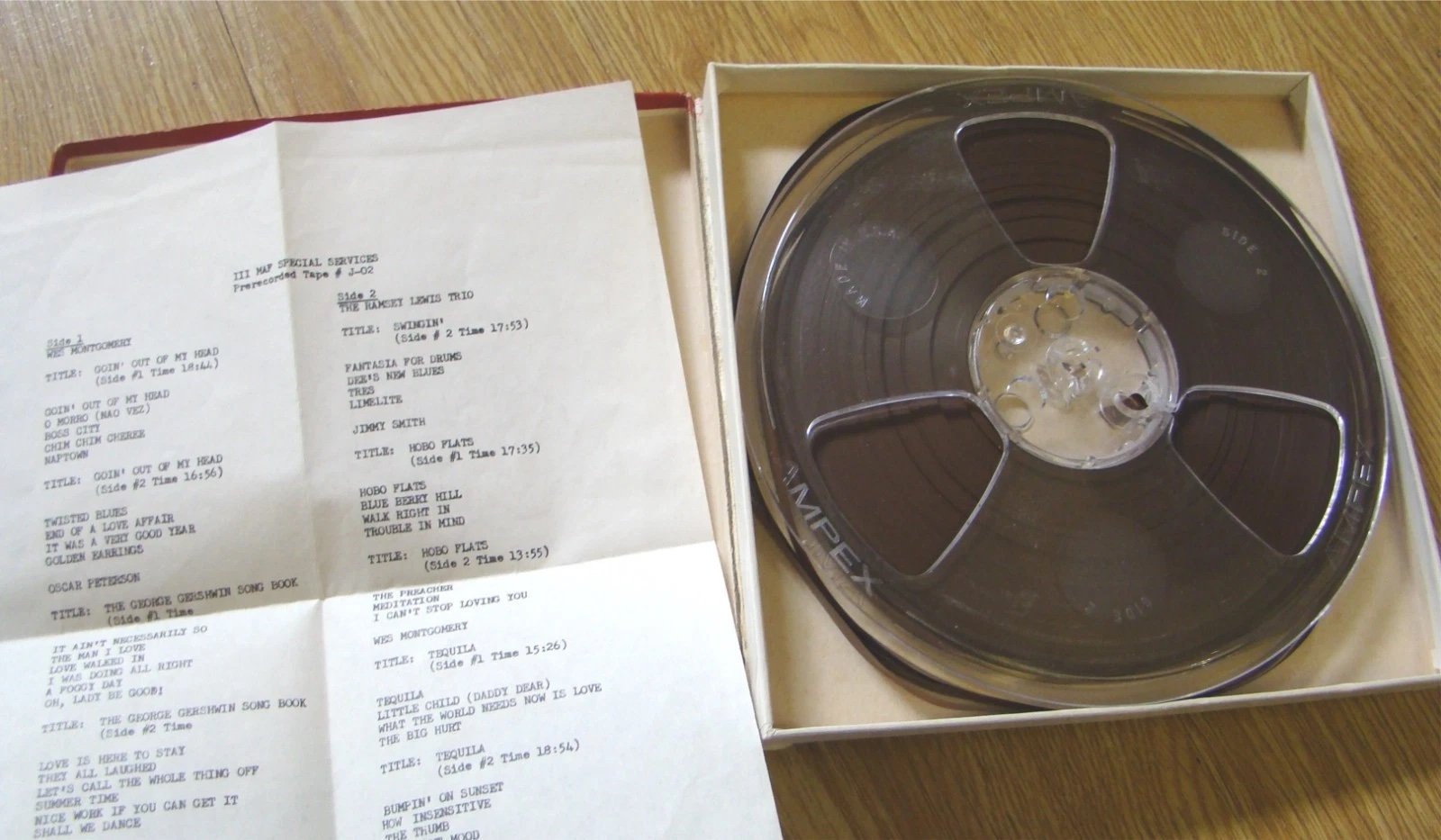
The Atlas Project- MAF Special Services Tape — Vietnam War Era
This prerecorded reel, labeled “III MAF Special Services,” was part of the U.S. Marine Corps’ effort to bring music to troops stationed in Vietnam.
Jazz—Wes Montgomery, Oscar Peterson, Ramsey Lewis—moved through base camps and rec tents, offering brief moments of calm, memory, and escape.
-
![]()
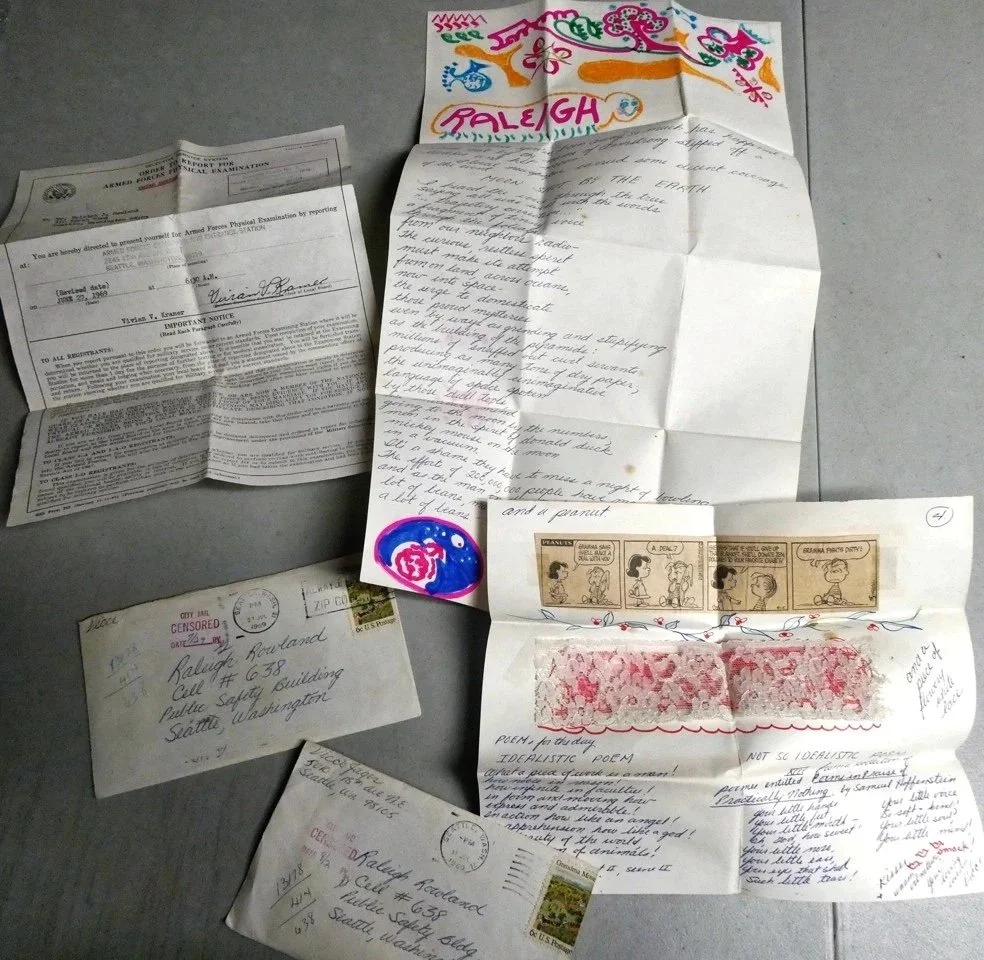
Seattle, Washington, 1969 (Draft Letter)
Censored letters sent from city jail following a Vietnam War draft order.
Marked, withheld, and returned, these documents trace a refusal and its consequence—revealing a parallel experience of the war shaped by resistance rather than service.
-
![]()
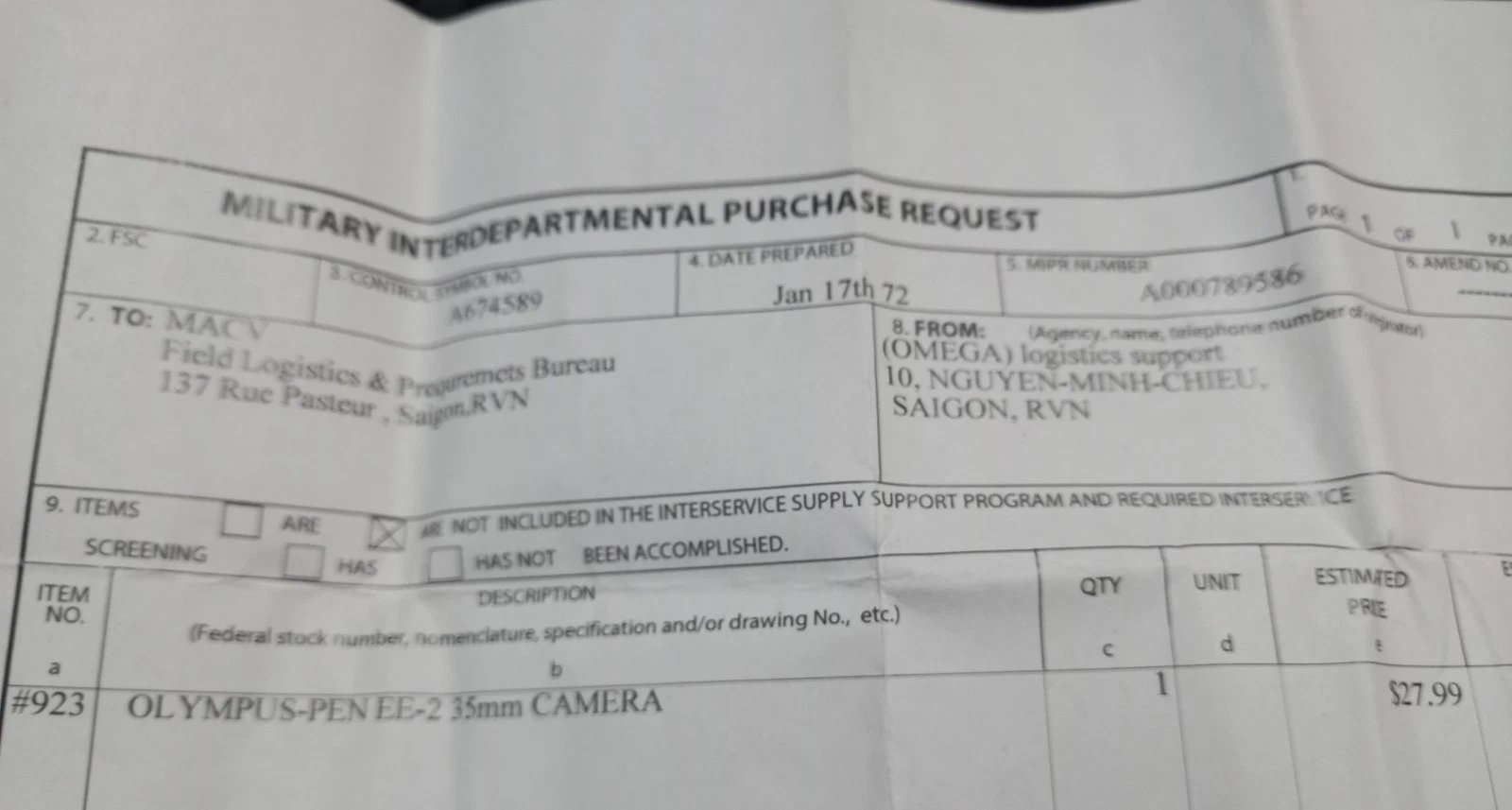
Olympus Pen EE Camera with Receipt and Film Materials
DD Form 448 (Military Interdepartmental Purchase Request)
Authorizing Officer: Cpt. Mark Soriano (MACVLS)
Request for the purchase of an Olympus Pen 35mm camera ($27.99)This original document is preserved alongside the corresponding camera, its carrying case, and film canisters.
-
![]()
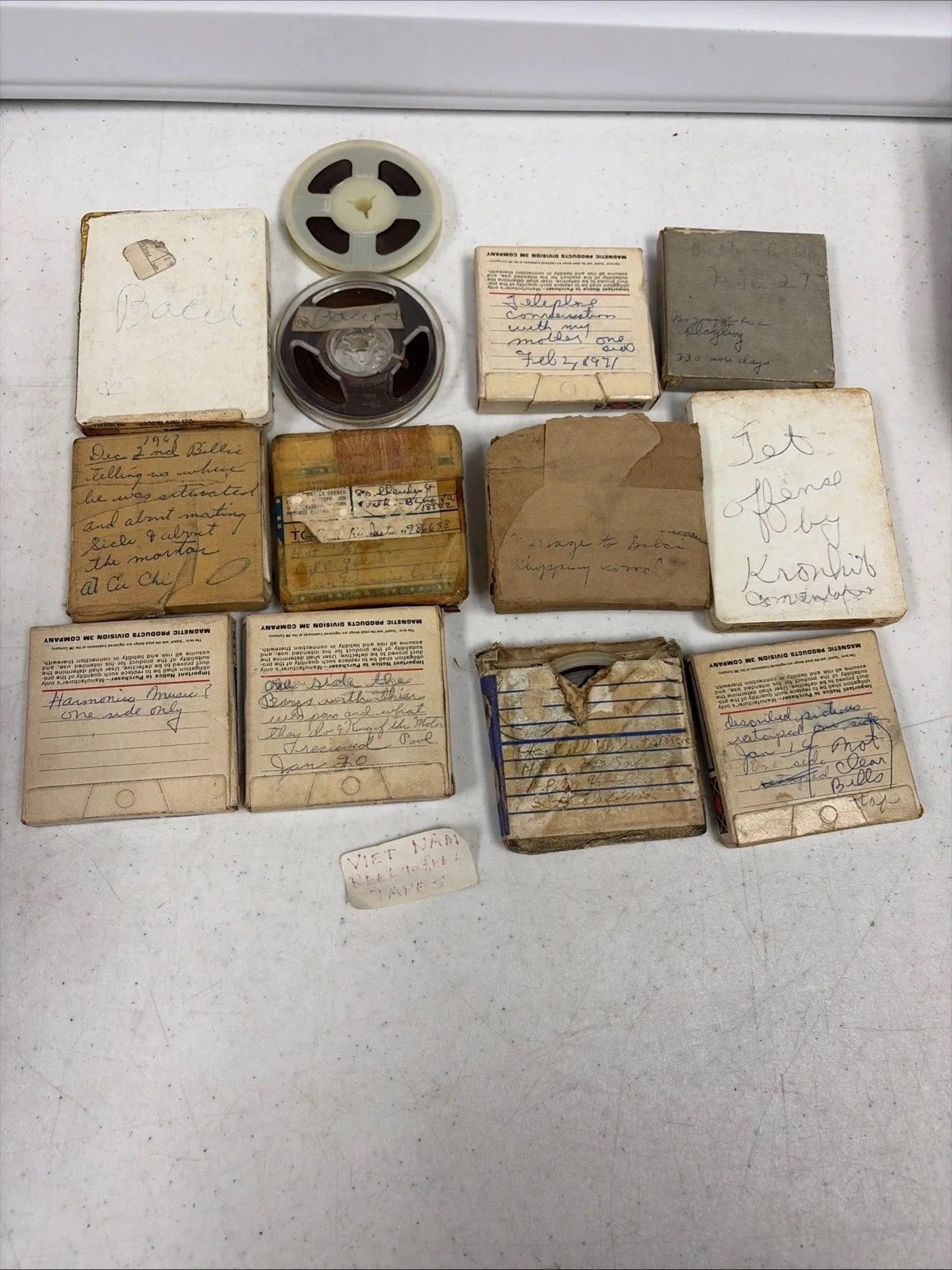
Voices on Tape (1967–1971)
A group of ¼-inch reel-to-reel recordings made by a U.S. serviceman stationed in Vietnam.
Using portable tape equipment, he documented fragments of daily life—spoken letters, conversations, music, and moments shared among friends.
Preserved in their original boxes and labeled by hand.
-
![]()
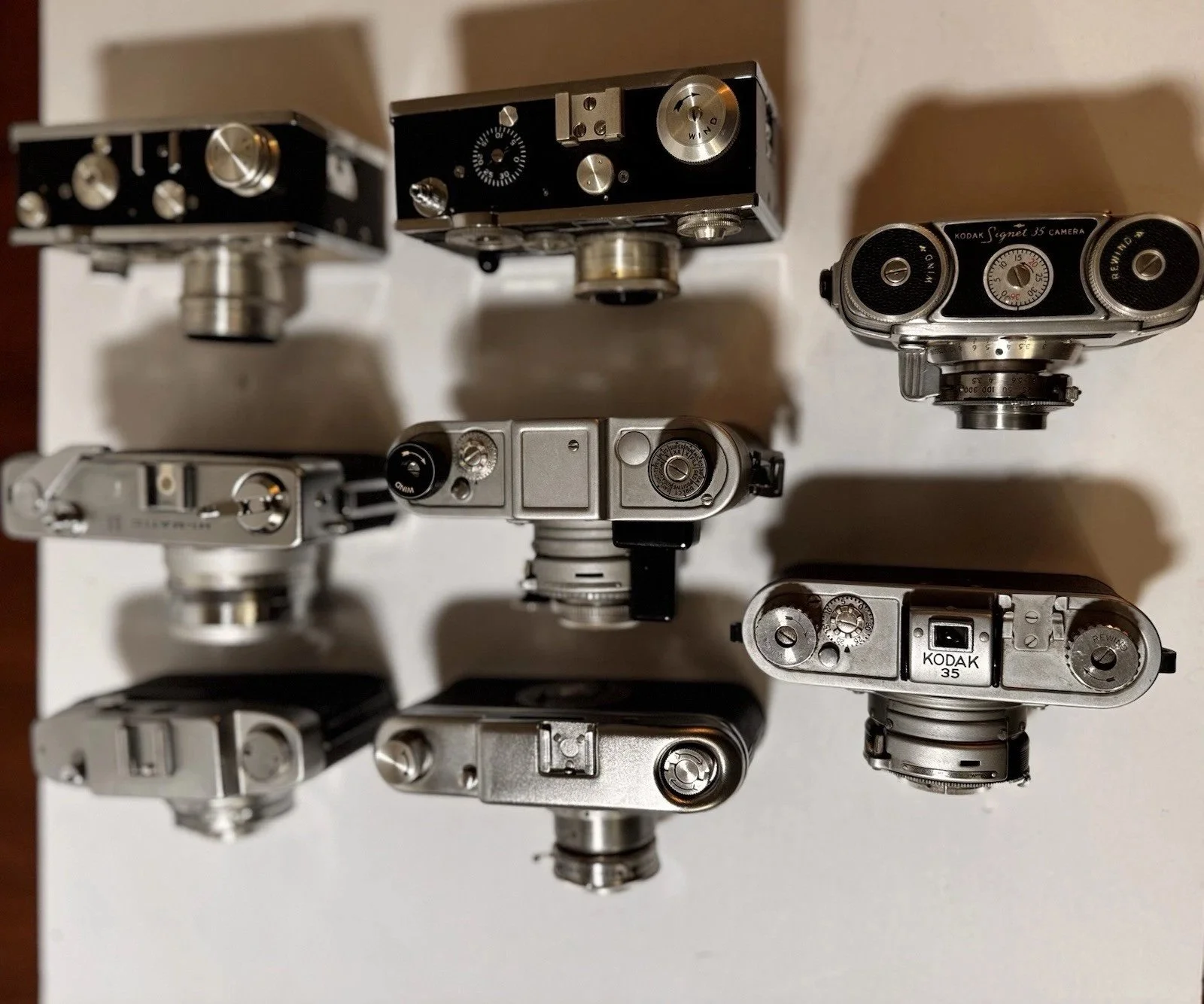
The Cameras
A selection of camera models in circulation during the Vietnam War, many carried by servicemen to document daily life.
Produced across the 1930s through the early 1970s, these cameras reflect the range of tools available to individuals moving through both civilian and military life.
-
![]()
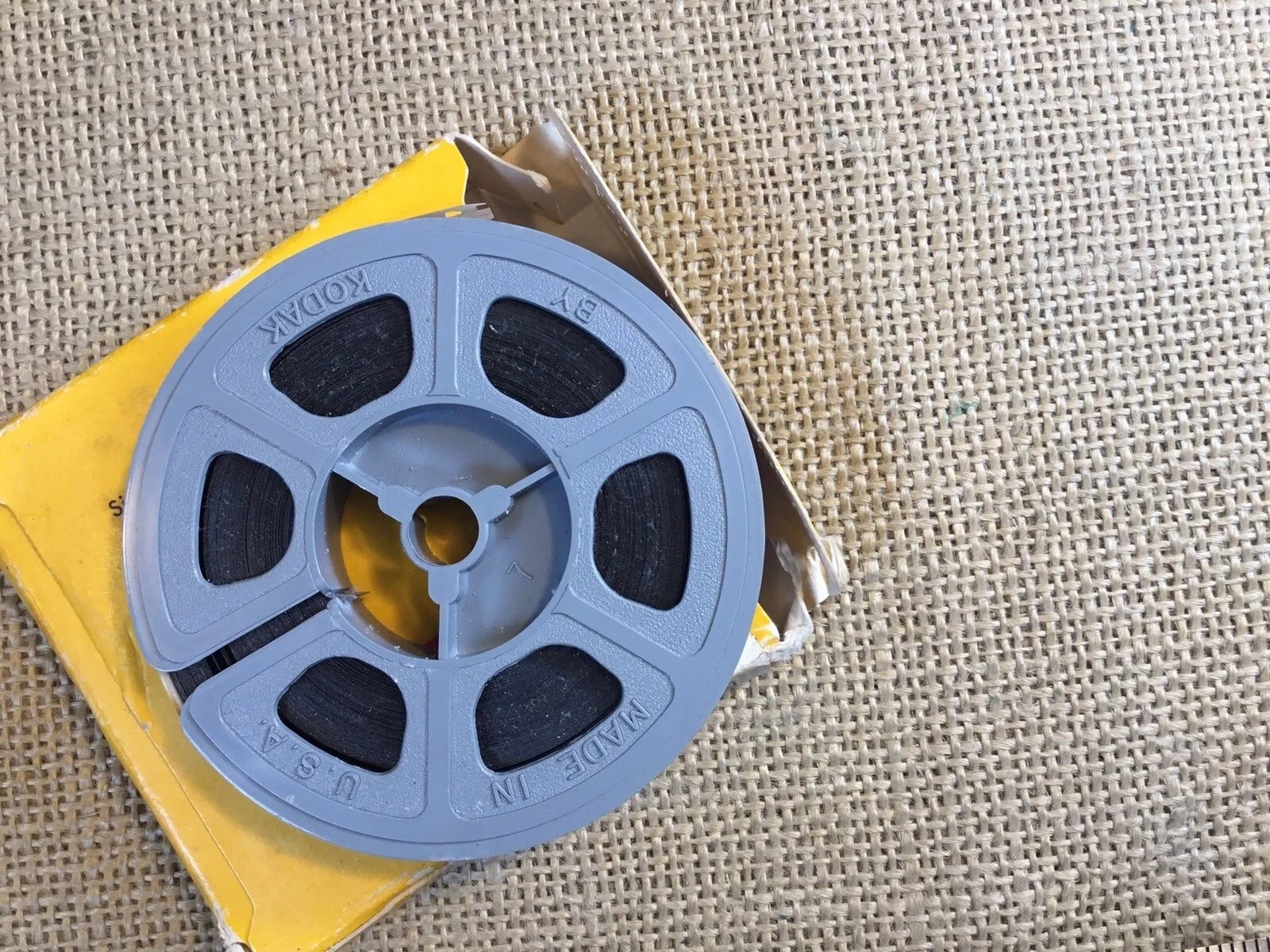
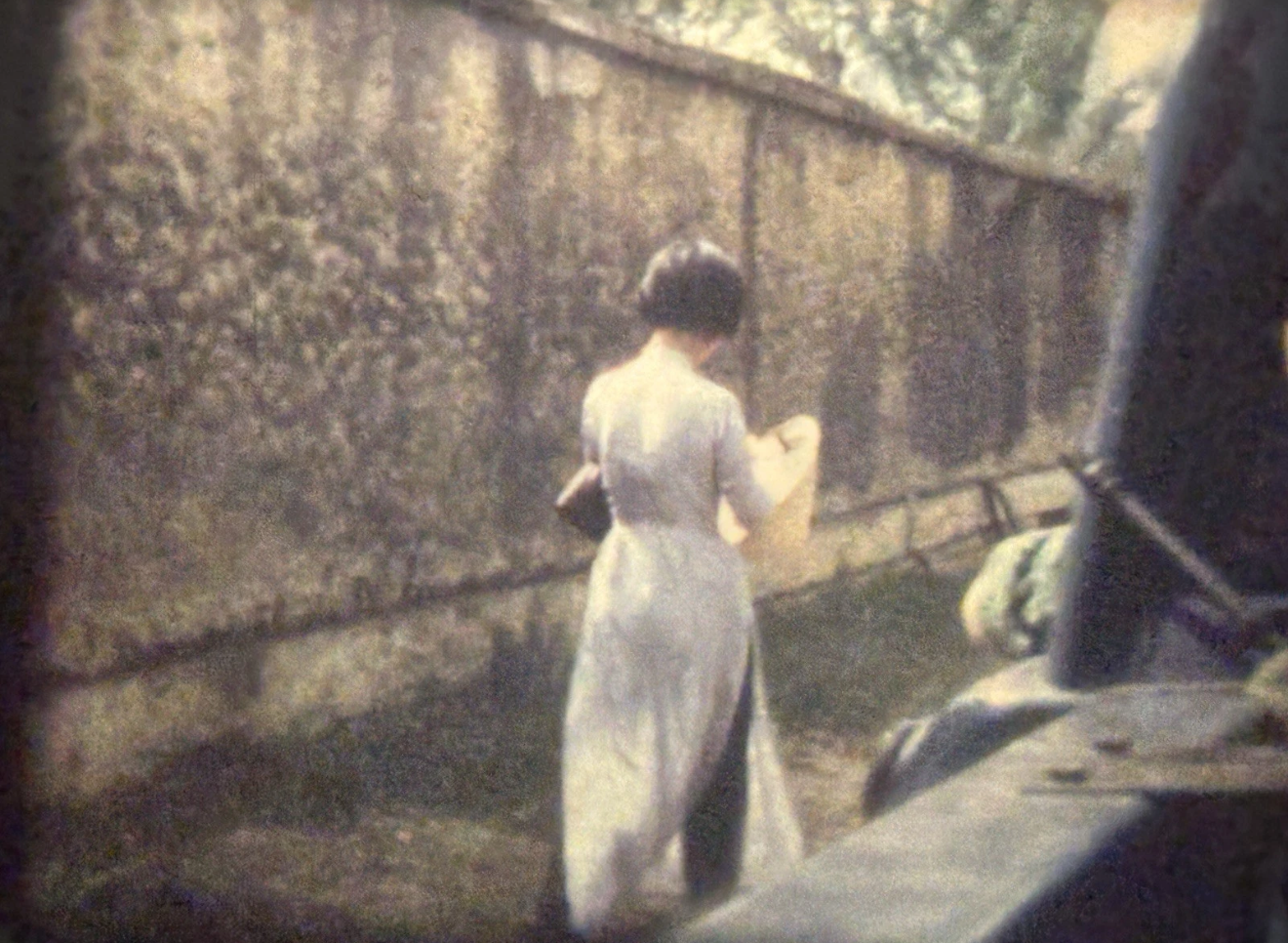
8mm Film Reel, Vietnam, January 1967
An exposed roll of 8mm film.
As part of this archive project, the contents are being viewed for the first time—revealing a sequence of moments preserved and unseen for decades.
What emerges offers a rare glimpse into daily life in Vietnam, carried forward from the instant it was captured.
-
![]()
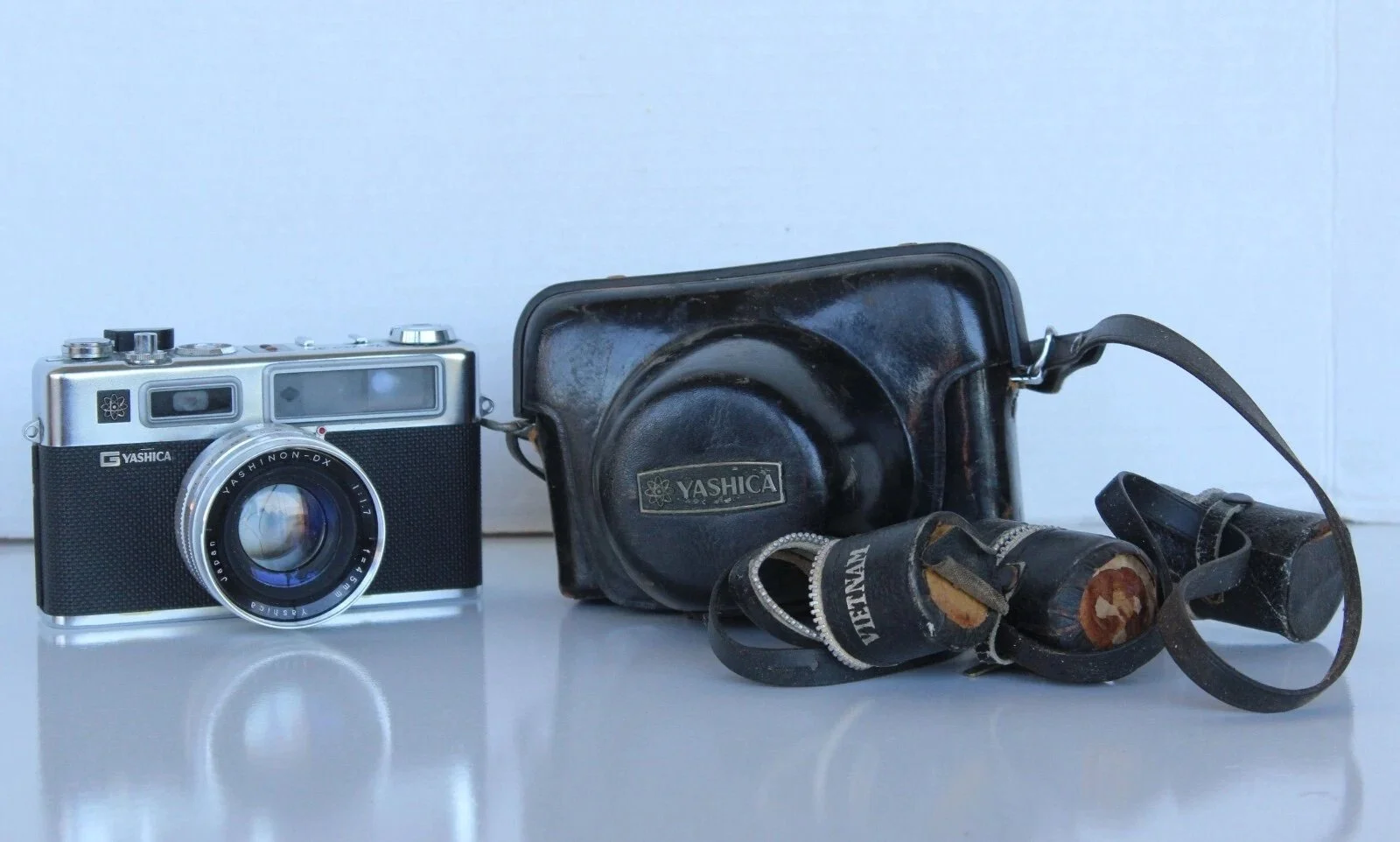
Yashica Electro 35 G (circa 1968–1972, Jim Stanley)
This camera was owned by Jim Stanley and carried with him in Vietnam. Like many servicemen, he used it to document everyday life—capturing personal moments beyond official record.
-
![]()
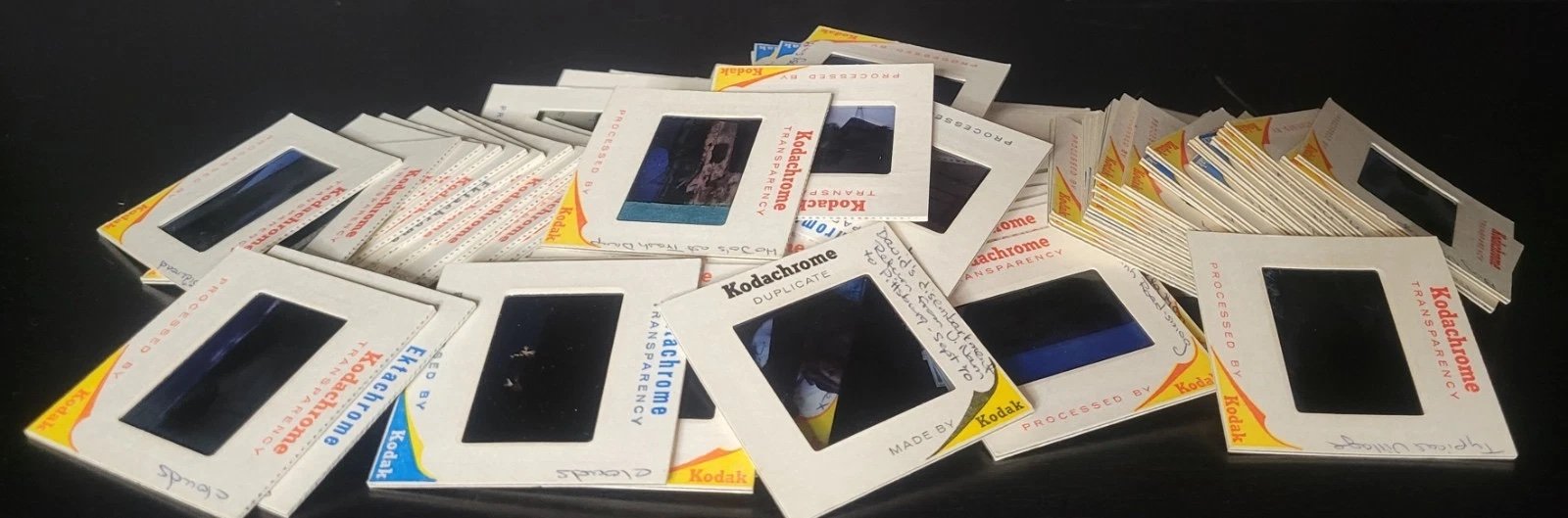
Kodak 35mm Slides of Base Life, Vietnam, Late 1960s–Early 1970s
A set of 35mm slides capturing scenes of daily life on U.S. bases.
Handwritten annotations along the mounts identify people, locations, and activities.
-
![]()
“Memory of South Viet-Nam” Photo Album, 1968–1971
An album assembled by a U.S. serviceman, featuring approximately 90 photographs.
Sequenced and titled at the time, it reflects an effort to shape memory through images. This album is part of a larger collection of personal photo albums in the archive, collectively documenting lived experience in Vietnam.
-
![]()
Fragments of a War (The photos)
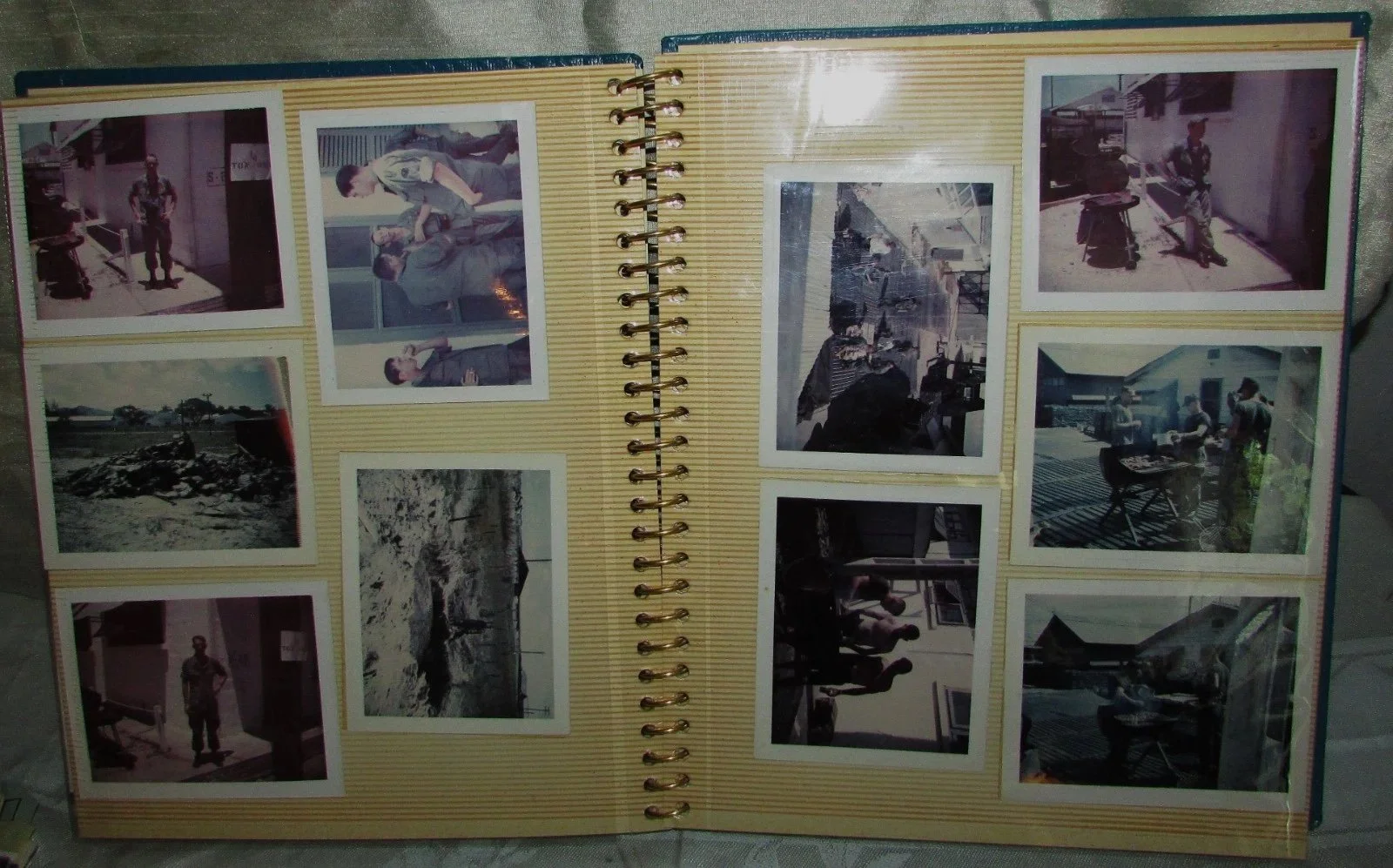
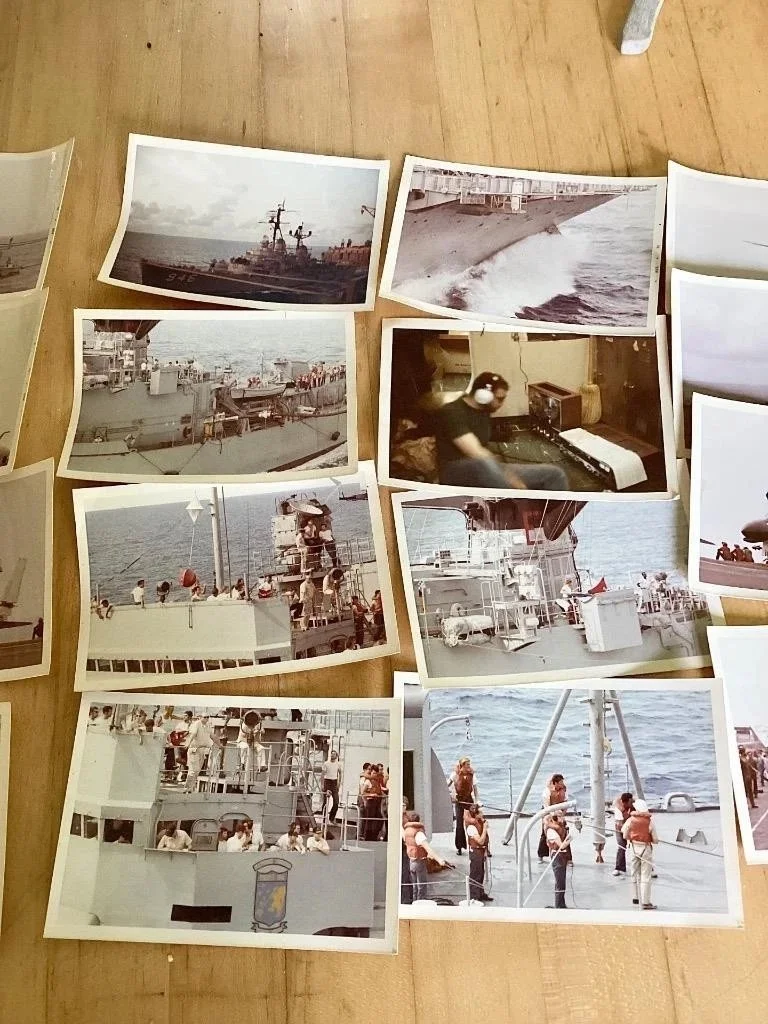
Thousands of loose photographs, in color and black and white, taken by U.S. servicemen during the Vietnam War. Removed from albums and separated from their original context, these images remain unsequenced and often unidentified.
Together, they form an expansive but fragmented archive, where meaning emerges through accumulation. What is preserved is not a complete history, but a dispersed record of experience—held across thousands of images.
-
![]()
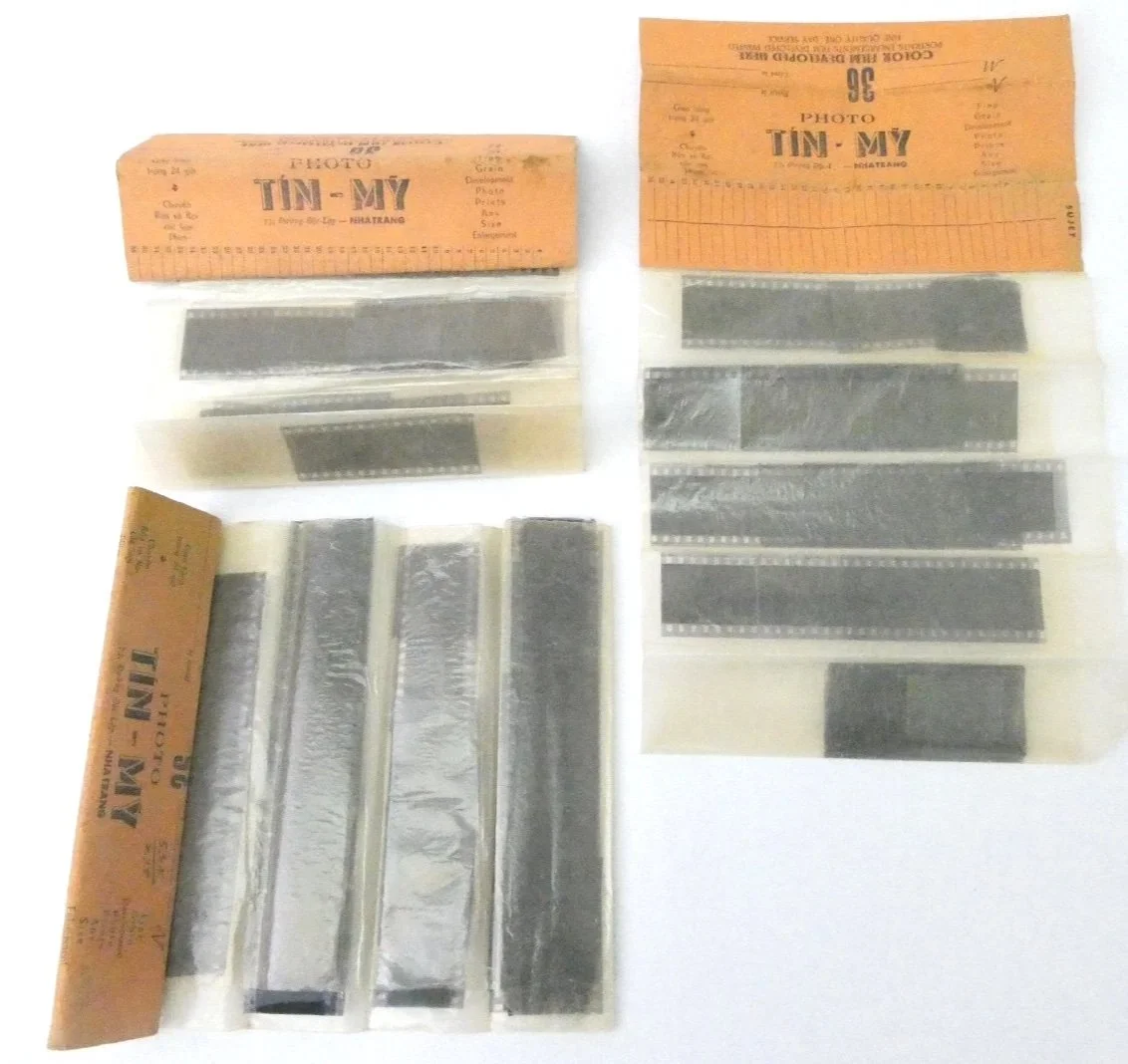
Unseen Negatives
Over 400 photographic negatives, in color and black and white, produced by U.S. servicemen during the Vietnam War.
Many have been separated from their original prints and remain unprinted since their initial development.
Through this project, selected negatives frames are printed as silver gelatin photographs, allowing these images to re-emerge after decades out of view.
-
![]()
HOME MOVIE FOOTAGE — TAN SON NHUT & SAIGON (1968–1969)
7-inch reel, ~400 ft, color 8mm film
Recorded by a U.S. Air Force serviceman stationed at Tan Son Nhut Air Base, this reel captures fragments of daily life in and around Saigon during the Vietnam War. Though described as a pilot, Schott served as an air traffic controller—positioned at the edge of constant movement.
The footage moves between Saigon street scenes, regional flights, and base life—crew gatherings, helicopters, and moments of leisure—alongside civic work, including the construction and dedication of the Dieu Quang orphanage in 1969.
-
![]()
Lynn Matteson
A life assembled through what remains- Letters, photographs, awards, ephemera, and telegrams trace the life of Lynn Matteson from service to loss—and into the hands of those who carried his memory forward.
His story unfolds through a sequence of telegrams: injury, updates, then confirmation. Each message changes what his family understands.
Unlike many of the lives represented in Between Frames, Lynn’s story can be followed through what survived. He was nineteen.
In 1969, his brother, Don Matteson of Kingston, New York, accepted the Air Medal on his behalf.